




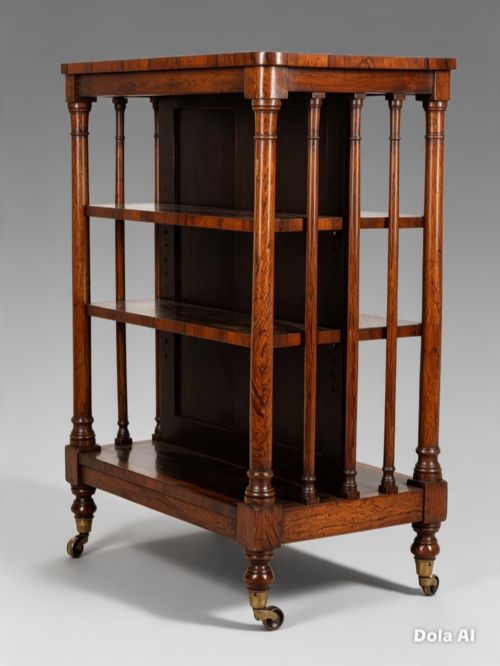


19th Century Bookstand
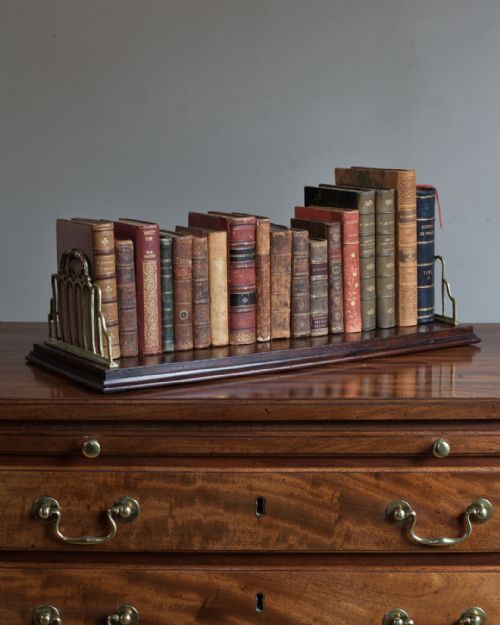
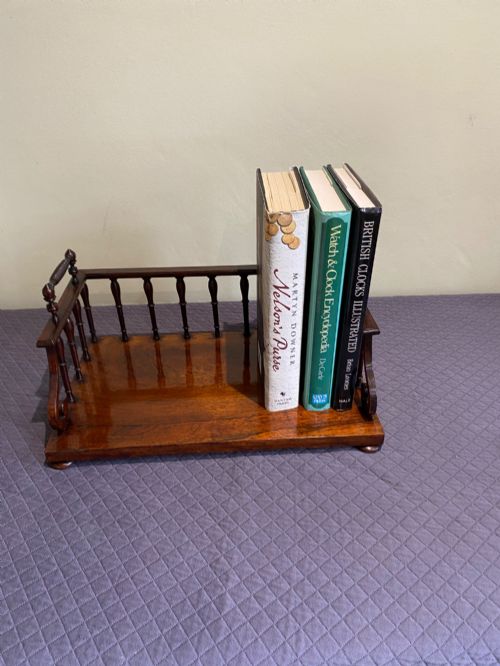
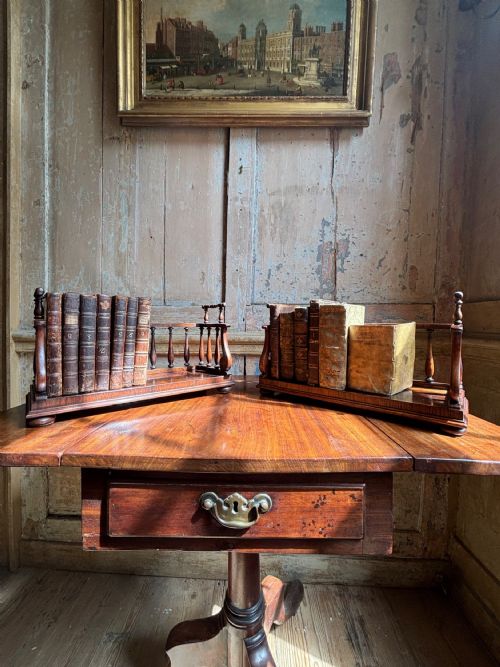
These 19th century bookstand pieces keep texts upright on desks and tables, offering sturdy practicality with period charm.
19th Century Bookstand
Rosewood and mahogany dominate the offerings, alongside walnut, burr walnut, and occasional brass or cast iron details. Pieces span the Regency, Victorian, and William IV periods, reflecting shifts in domestic study habits across the century.
Materials and construction
Cabinetmakers utilised dense timbers like rosewood, mahogany, and walnut to ensure stability under heavy volumes. Wood mosaic work and brass mounts appear on specific decorative items, adding contrast and structural reinforcement.
Revolving mechanisms and extending slides required precise joinery and metal fittings to operate smoothly. Fretwork cutouts and folding hinges demonstrate the versatility expected from nineteenth-century desk accessories and reading tables.
19th Century Bookstand Retail Price Guide 2026
Typical asking prices for 19th century bookstand among the pieces listed under this phrase on Sellingantiques today, from the lower quarter to the upper quarter. They describe what is for sale here now, not the wider market.
Mahogany and rosewood are the most frequently recorded timbers across all listed book stands and bookcases.
Evaluating quality and execution
The distinction between standard items and finer examples rests on the selection of timber figure, such as burr walnut or richly grained rosewood. Crispness in carved details and the smooth operation of mechanical actions signal superior workshop execution.
Original hardware, intact wood mosaic patterns, and balanced proportions elevate certain pieces above utilitarian examples. The integrity of revolving pivots and extending slides remains central to an item's functional success.
The 19th Century Bookstand Glossary
- Book slide
- An extending rack designed to hold a variable number of volumes upright on a desk. They often feature hinged ends that fold flat.
- Revolving bookcase
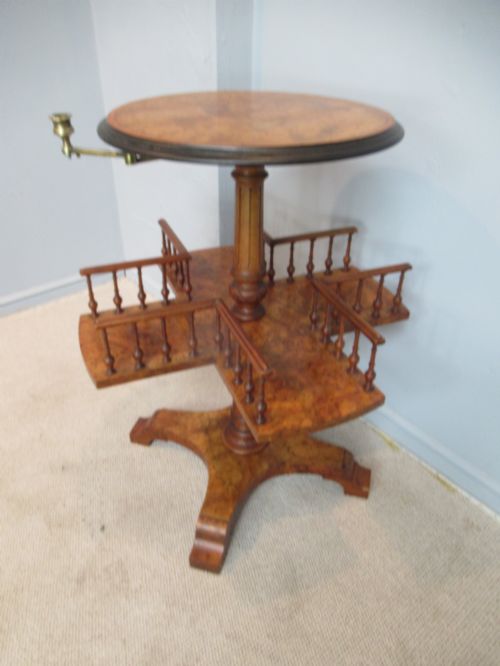
- A freestanding or tabletop stand mounted on a pivot mechanism allowing access to books from any angle. They appear in mahogany, walnut, and Anglo-Indian styles.
- Campaign
- Portable furniture designed for travel, typically featuring brass corners and flush handles. Tabletop reading stands in this style dismantle or fold easily.
- Tunbridge
- Decorative woodworking involving small mosaic tiles of dyed wood to create geometric patterns. Items decorated this way are commonly called Tunbridge ware.
- Reading table
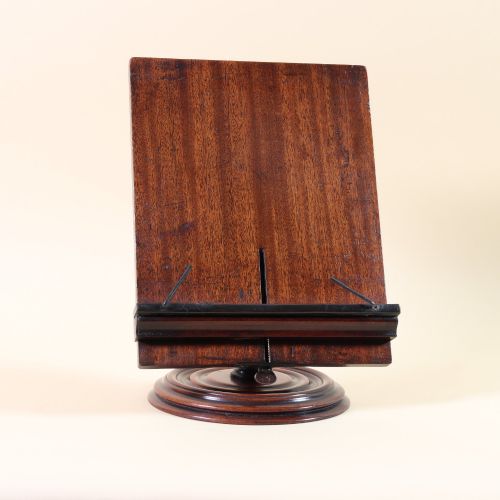
- A specialised table designed to hold books at an angle for comfortable reading. They frequently incorporate adjustable book rests or ledges.
19th Century Bookstand: Frequently Asked Questions
What is a revolving bookstand?
A revolving bookstand is a piece designed to sit on a floor or table and rotate on a central pivot. This allows users to access a selection of volumes easily from a seated position.
Such items became particularly popular in the latter half of the nineteenth century as home libraries expanded. They appear in woods like mahogany, walnut, and burr walnut.
How do book slides work?
Book slides feature an expanding base that lengthens or shortens to accommodate a row of volumes. Hinged ends often fold outward or inward to keep the books secure.
These accessories sat on desks or side tables to keep working texts organised. Makers utilised rosewood, mahogany, and coromandel for these functional pieces.
Are these stands for desks or floors?
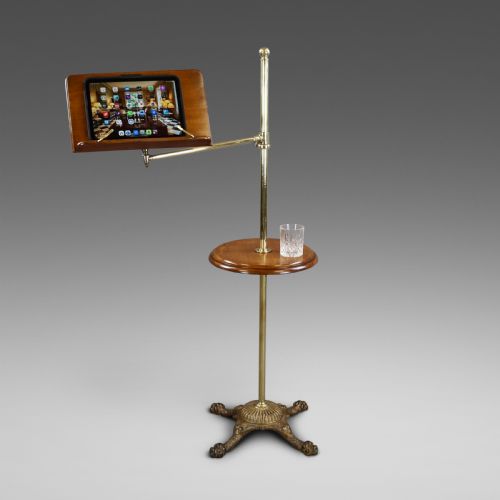
The category includes both tabletop accessories and larger floor-standing pieces. Desktop versions comprise book rests, folding stands, and small slides.
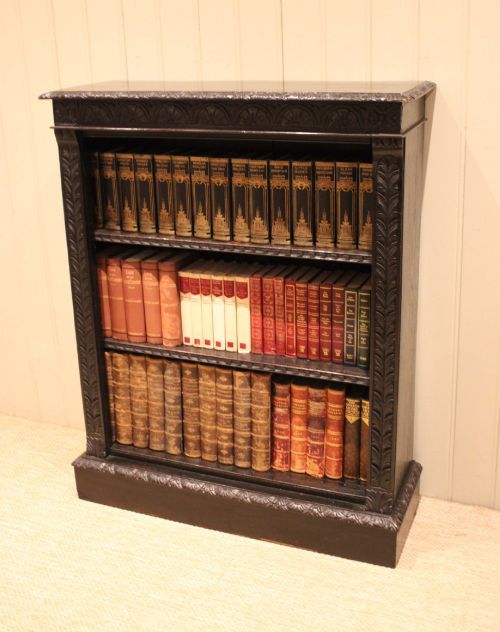
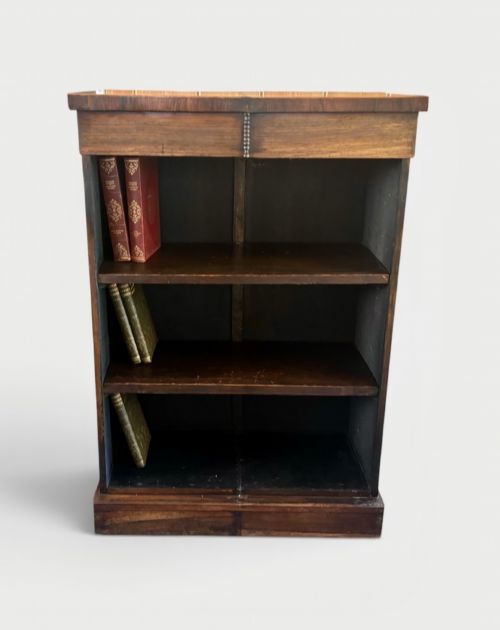
Floor-standing examples include revolving bookcases and open shelving units. Both types served the Victorian study or drawing room.
What woods were used most?
Rosewood and mahogany are the predominant timbers found across these nineteenth-century pieces. Walnut, burr walnut, and coromandel also appear frequently in the archive and current listings.
These dense hardwoods provided the necessary strength to support heavy leather-bound volumes. Metal details like brass and cast iron occasionally reinforce the wooden structures.
How do I identify Regency pieces?
Regency items date from the early nineteenth century and often display clean classical lines. Rosewood is a common timber choice for pieces from this era.
Makers working in this style produced book racks and open bookcases with restrained decoration. Their proportions tend to be formal and balanced.