





Antique Reading Easel
An antique reading easel supports books at a comfortable angle, combining utility with fine timber craftsmanship for daily use.
Antique Reading Easel
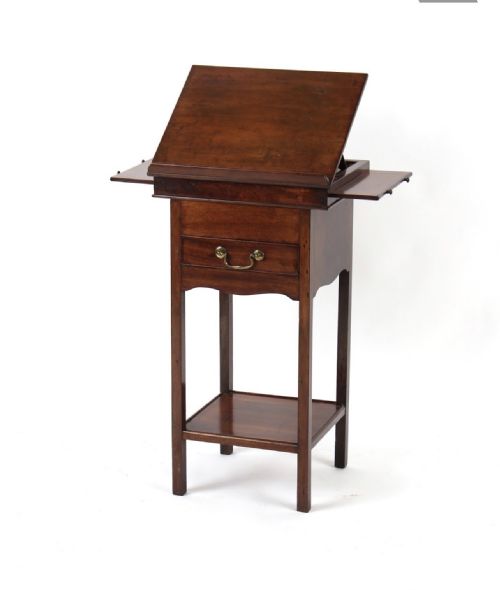
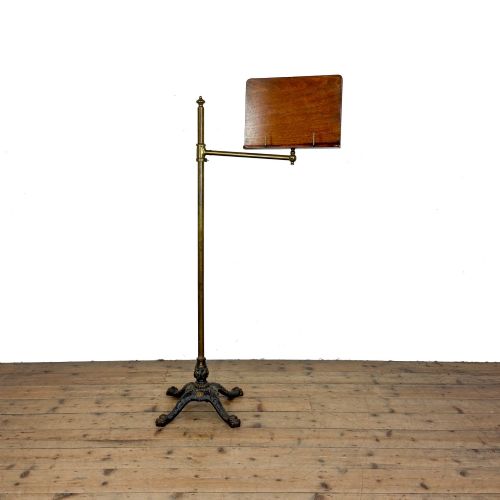
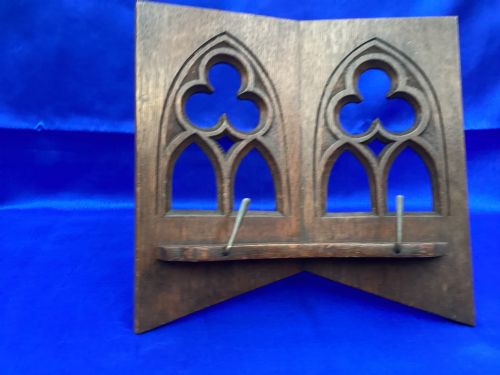
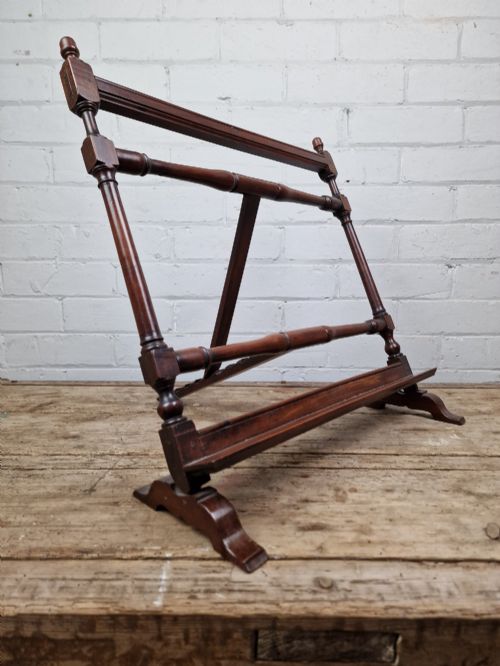
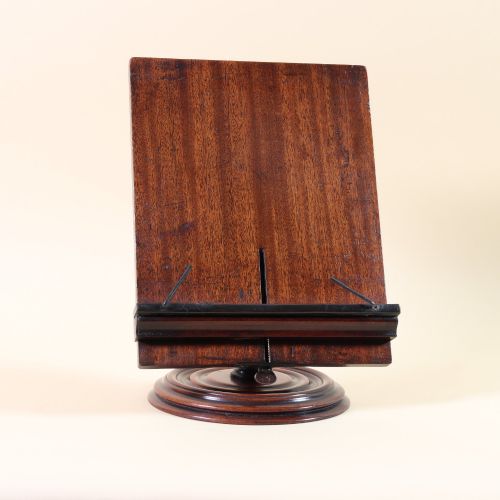
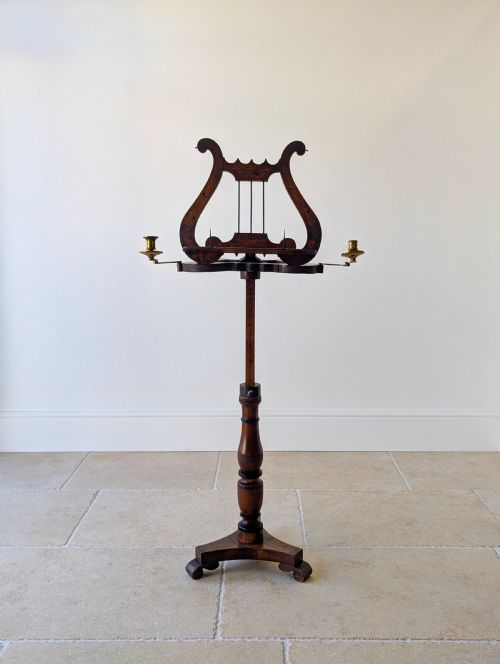
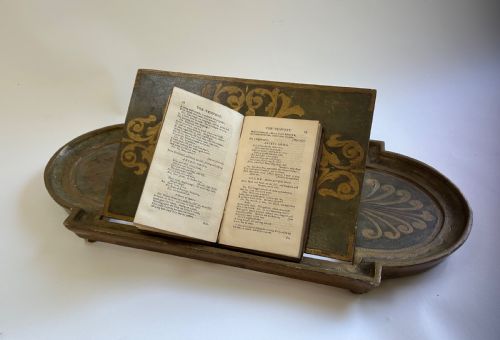
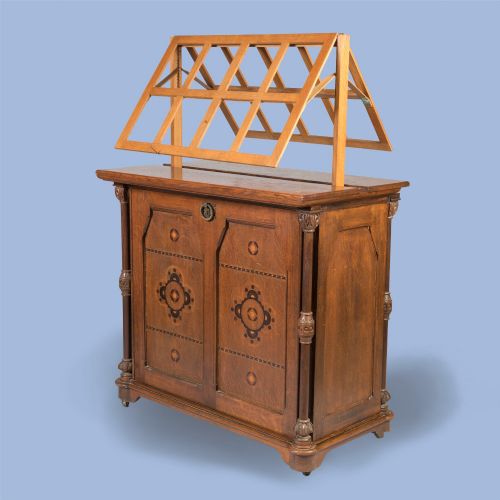
An antique reading easel provides a stable, adjustable surface for books, folios, and music sheets in libraries and studies. Buyers searching this phrase encounter practical table-top models, floor-standing lecterns, and combined reading stands with occasional tables. The selection spans the nineteenth century and the Edwardian era, showing styles from Regency and William IV to Gothic Revival.
Materials and construction
Cabinet makers utilised dense hardwoods such as mahogany, rosewood, oak, and walnut to build these pieces, often incorporating brass ratchets and fittings for adjustable movement. Selection of timber dictated the strength needed for supporting heavy bound volumes and folios without warping.
Metal components, including cast iron and brass, appear in adjustable floor stands and specialised desk mechanisms. Secondary elements like leather inserts and transfer prints on Mauchline ware provide decorative contrast to the structural woodwork.
Antique Reading Easel Retail Price Guide 2026
Typical asking prices for reading easel among the pieces listed under this phrase on Sellingantiques today, from the lower quarter to the upper quarter. They describe what is for sale here now, not the wider market.
Listings feature items spanning the nineteenth century, including Victorian, Edwardian, Regency, and William IV periods in woods like mahogany, oak, and rosewood.
Evaluating craftsmanship and design
Quality rests upon the precision of the adjustable mechanism and the integrity of the timber joints. Smooth movement in the ratchets and stability in the support arms distinguish better pieces from simpler utilitarian stands.
Finishing touches, such as carved lyre forms, fine grain matching in rosewood or mahogany, and well-executed brass mounts, separate standard production items from finer workshop pieces.
Carters Of London·Benjamin Taylor And Sons
The Antique Reading Easel Glossary
- Reading stand
- A piece of furniture designed to hold a book or manuscript at an angle for easier viewing. These often feature adjustable ledges or height mechanisms.
- Lectern
- A tall stand with a sloping top designed to hold a book or speech for a standing reader. They frequently appear in music rooms and libraries.
- Mauchline ware
- Small wooden souvenir and utility items decorated with photographic transfers on whitewood. These pieces often date from the Victorian period.
- Lyre-form
- A decorative motif shaped like an ancient lyre, commonly used in the central pillar or support of nineteenth-century music stands and tables.
- Folio cabinet
- A specialised piece of furniture built to store large sheets of paper, maps, or books flat. Some incorporate standing reading surfaces on top.
Antique Reading Easel: Frequently Asked Questions
What is an antique reading easel?
An antique reading easel is a mechanical desk accessory or floor stand designed to prop up books, music, or documents at a readable angle.
These pieces use wooden ledges and adjustable struts to hold heavy volumes securely while the user reads or works.
How were reading stands used historically?
Libraries, studies, and music rooms utilised these stands to hold large folios, Bibles, and sheet music during long periods of study or performance.
Architects and artists also employed table-top versions to keep drawings and plans angled correctly for drafting.
How do I adjust the angle?
Most stands rely on a wooden or brass ratchet bar fitted underneath the ledge that slots into a series of teeth.
Lifting the book rest allows the prop to engage with a different tooth, altering the slope to suit the user.
Can these hold heavy books?
Sturdier hardwood models constructed from oak, mahogany, or rosewood easily support heavy reference books and large bound volumes.
Table-top book rests and cast iron floor stands distribute weight across solid bases designed specifically to prevent tipping.