



Victorian Mahogany Bookstand
A victorian mahogany bookstand brings solid nineteenth-century timber and practical desk-top organisation straight into your study.
Victorian Mahogany Bookstand
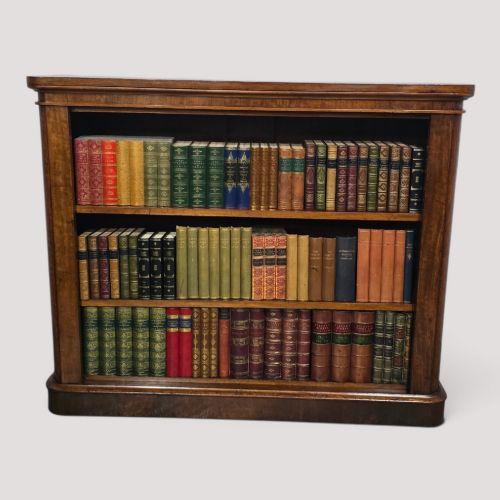
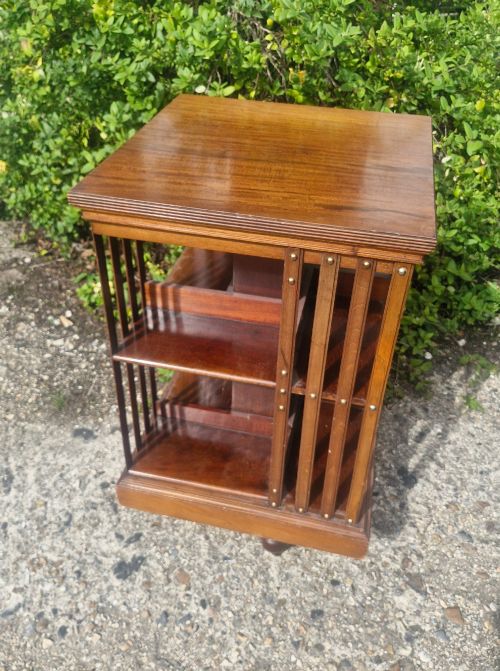
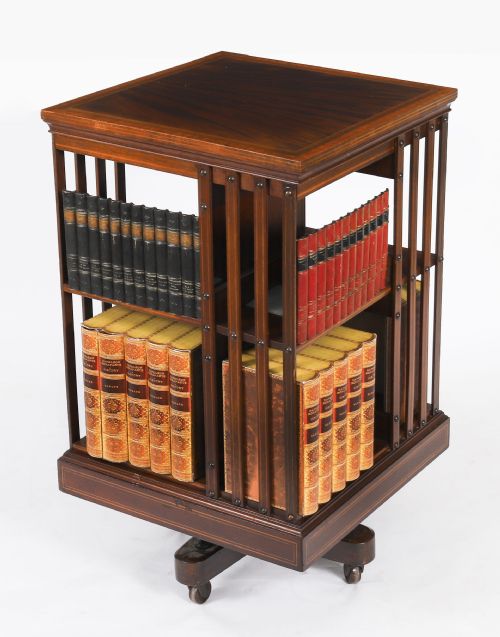
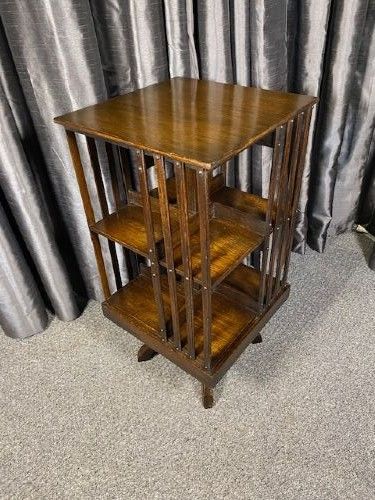
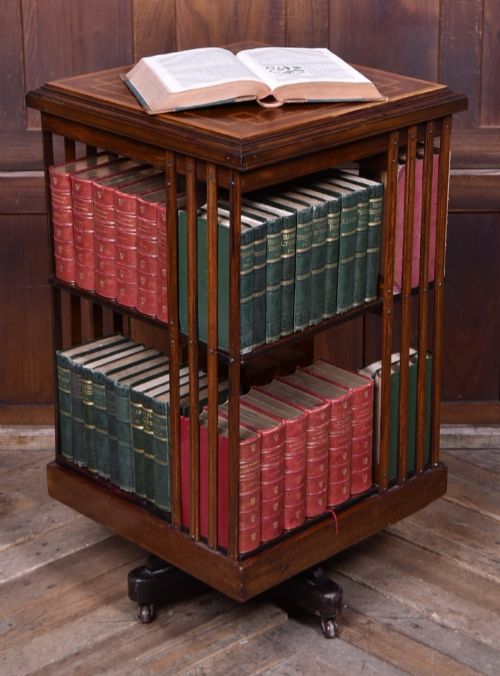
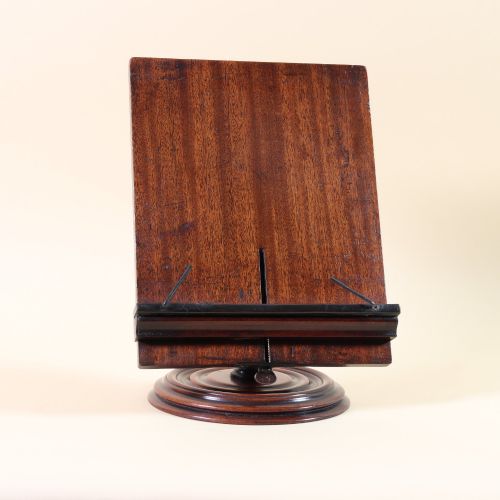
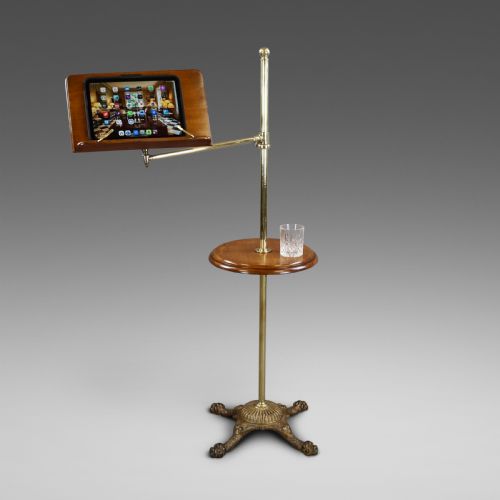
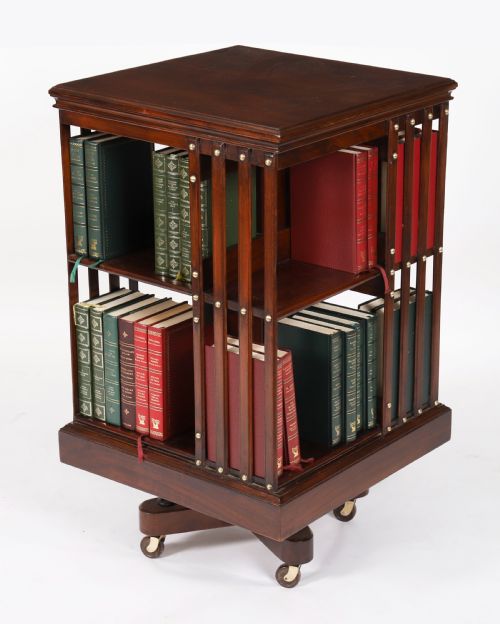
A victorian mahogany bookstand encompasses a range of library furnishings designed to hold volumes upright or at a comfortable reading angle on a desk, table or floor. You will most frequently encounter revolving bookcases and table-top reading stands within this selection.
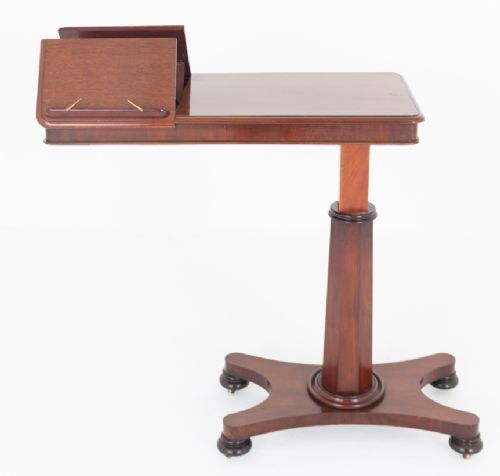
The evidence shows these pieces span the nineteenth century into the Edwardian era, taking forms such as campaign tables, reading tables and extending book rests. Mahogany forms the backbone of these functional items, often augmented by brass fittings and occasional inlay.
How they were made
Cabinet makers utilised dense mahogany for the primary structure, turning spindles and joining solid boards to withstand the heavy weight of bound volumes. Brass hinges, brackets and mechanisms provide durable movement for extending book rests and revolving bases.
Listings feature mahogany combined with brass, iron, satinwood, oak, and boxwood inlay across the nineteenth and early twentieth centuries.
What varies in quality
The standard of a victorian mahogany bookstand depends upon the selection of timber figure, such as the rich grain found in flame mahogany, and the crispness of any applied carving. Solid construction methods without excessive reliance on thin veneers distinguish better examples.
Hardware integration also dictates quality, where flush brass fittings, smooth revolving action and secure mechanical adjustments reveal the original maker's skill. Simple utility pieces contrast with highly articulated Gothic Revival or inlaid designs.
Maple & Co
The Victorian Mahogany Bookstand Glossary
- Mahogany
- A durable tropical hardwood prized for its deep reddish-brown colour and stable grain. It serves as the primary material for the majority of nineteenth-century library stands.
- Revolving bookcase
- A freestanding bookstand mounted on a concealed rotating mechanism. This form allows access to multiple volumes from a stationary seated position.
- Reading stand
- An adjustable desk-top accessory designed to prop open books or documents at an angle. They frequently incorporate folding struts and brass ratchets.
Victorian Mahogany Bookstand: Frequently Asked Questions
How do I use a revolving bookcase?
Place it beside an armchair or desk to keep your current reading material within arm's reach. The rotating mechanism allows you to spin the tiers effortlessly to select a volume.
Ensure you distribute the weight of the books evenly across all four sides to maintain smooth rotation and balance.
What is an extending book rest?
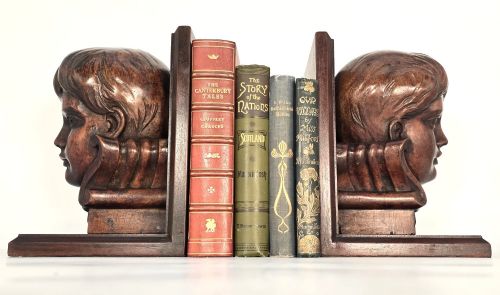
An extending book rest is a desktop stand designed to hold a row of books upright between two sliding or pivoting ends. The adjustable span accommodates a growing or shrinking selection of volumes.
Many examples feature brass scissor actions or hinged segments that collapse compactly when not in use.
Where should I place a reading table?
Position a reading table beside a sofa or in a study where you need a stable surface for holding heavy folios or periodicals. The adjustable height and angle make them suited for seated reading.
Keep them away from direct heat sources and strong sunlight to protect the polished mahogany finish and prevent timber warping.
How do I tell Victorian from Edwardian stands?
Victorian pieces tend to feature heavier timbers, darker finishes, and styles like Gothic Revival with ecclesiastical carved details. Edwardian examples often introduce lighter decorative touches such as boxwood inlay and flame mahogany veneers.
Examine the construction joints and hardware style for clues regarding the period of manufacture.