



Mahogany Desk Lectern
A mahogany desk lectern brings tactile warmth and adjustable utility to any study, offering a solid timber surface built to hold heavy volumes.
Mahogany Desk Lectern
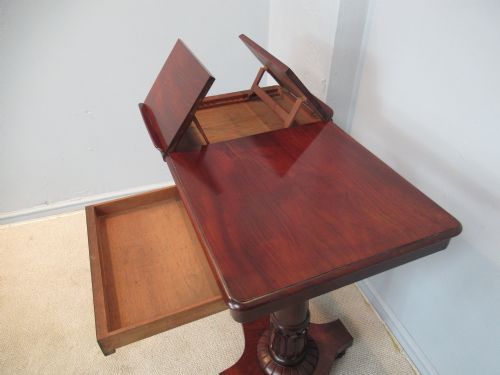
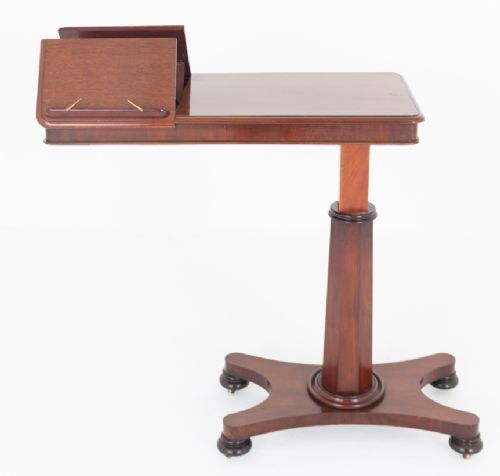
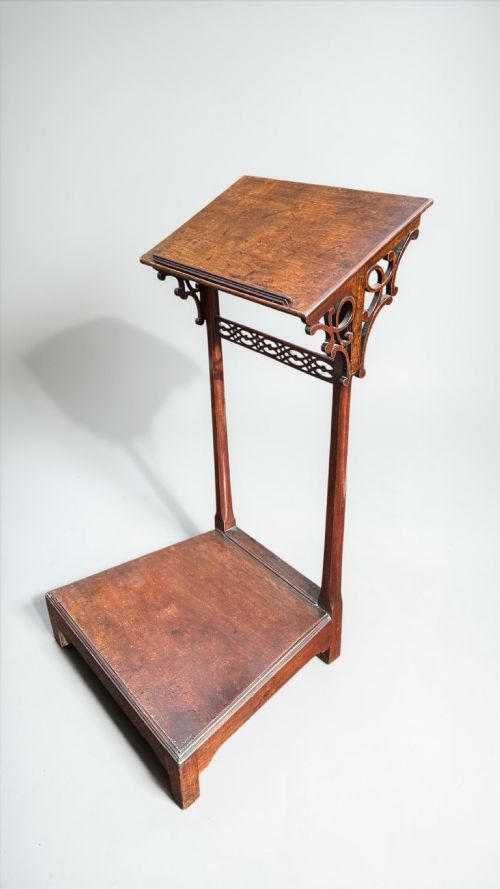
When you search for a mahogany desk lectern, you are looking at timber book rests, table-top reading stands, and adjustable reading tables produced across the Georgian, Regency, Victorian, and Edwardian periods. These pieces are designed to hold folios, sheet music, or writing materials at a comfortable angle for the reader.
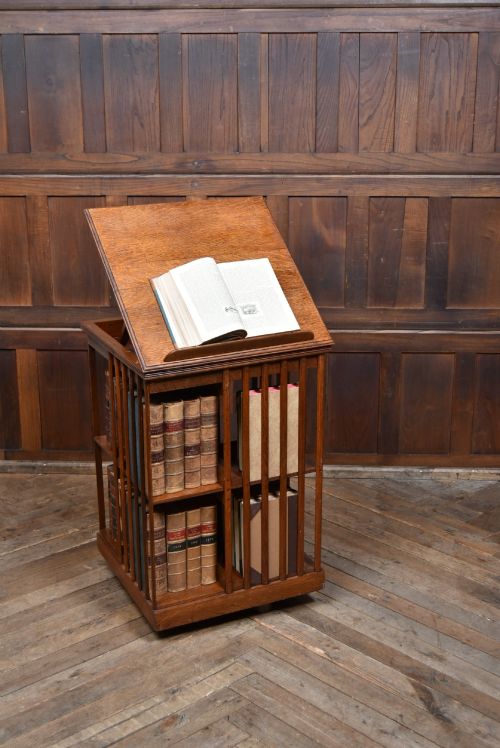
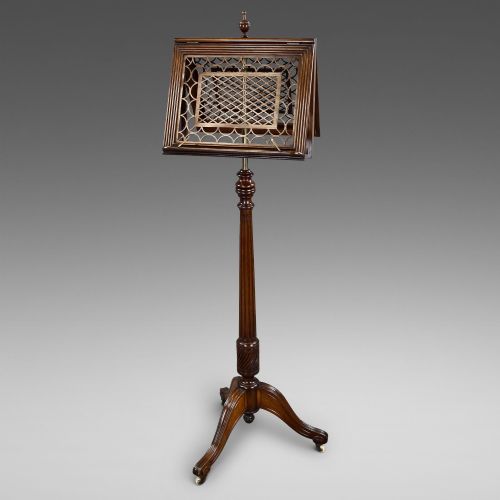
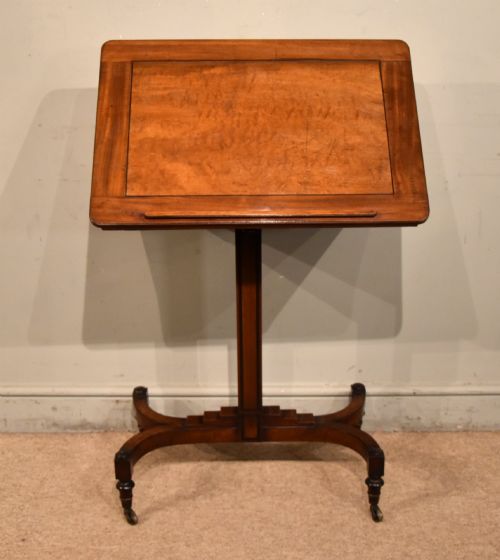
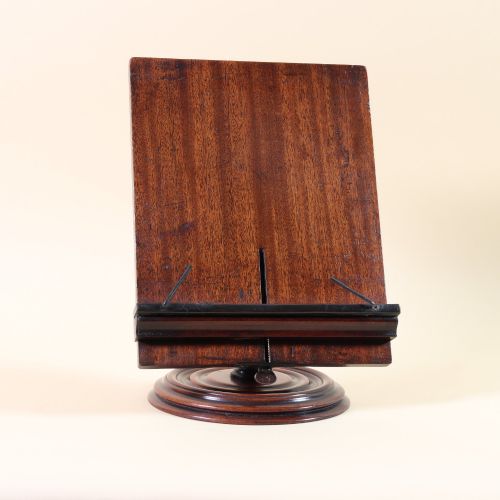
The versions you are most likely to meet on this page range from simple nineteenth-century desk-top book supports to elaborate Regency and George IV adjustable music stands and reading tables. They appear in forms spanning freestanding tables, revolving bookcases, and compact desktop rests incorporating brass fittings and satinwood inlay.
What varies in quality
The refinement of the mechanical adjustments sets finer examples apart, particularly the smooth operation of brass ratchets, screws, and rising columns that alter height and angle. Superior pieces exhibit crisp timber mouldings and precise inlay rather than plain, utilitarian construction.
Timber selection and secondary framing dictate the structural integrity of each piece, with well-figured mahogany veneers and heavy brass mounts marking out workshops of higher ambition. The integration of functional elements, such as double-sided book ledges or folding book stops, reflects the original cost and intended purpose.
The listings span the Georgian, Regency, Victorian, and Edwardian periods, featuring materials such as mahogany, brass, oak, cast iron, and satinwood inlay.
The Mahogany Desk Lectern Glossary
- Lectern
- A desk or stand with a sloping surface used to hold a book, periodical, or manuscript at a height and angle convenient for reading. These pieces range from small table-top rests to heavy freestanding music stands.
- Ratchet
- A mechanical device consisting of a notched bar and catch that allows linear or rotational motion in only one direction. In reading stands, ratchets provide incremental adjustment for the slope of the desk.
- Satinwood
- A durable, yellowish-wood timber frequently utilised for decorative inlay and banding on mahogany furniture during the Georgian and Regency eras. Its contrasting pale tone highlights edges and panels.
- Whatnot
- An open set of freestanding shelves used for displaying or storing books, ornaments, and papers. Examples in this category often combine tiered shelving with adjustable reading surfaces.
- Campaign
- A style of portable furniture designed for military officers on the move, typically featuring brass corners, inset handles, and knock-down frames. Such pieces prioritise robust construction and compact storage.
Mahogany Desk Lectern: Frequently Asked Questions
What is a mahogany desk lectern used for?
These pieces support heavy volumes, Bibles, ledgers, or sheet music at an inclined angle to reduce neck strain during prolonged reading or study. They function equally well on top of existing partner desks or as dedicated freestanding stands.
Historically, they served scholars, musicians, and clergymen who required hands-free reference access in libraries, studies, and drawing rooms.
How do you adjust the height?
Many examples utilise a central brass screw mechanism, a sliding wooden pillar secured by a side-key, or a ratcheted metal quadrant underneath the book rest. These allow the user to raise or lower the writing surface and lock it firmly into position.
Care should be taken when operating older brass mechanisms to avoid stripping threads or forcing stiff joints that require gentle cleaning and lubrication.
Are these pieces portable?
Some variants, particularly campaign reading stands and smaller desk-top book rests, were specifically constructed to be packed away or moved between rooms with ease. Freestanding reading tables and heavy music stands are considerably heavier and intended for static placement.
Folding book ledges and collapsible struts on specific models further enhance their adaptability for storage or relocation.
How do I date a mahogany piece?
Dating relies on observing the secondary timbers, the style of the brass hardware, and the joinery methods used in the construction of the frame. Georgian and Regency pieces often display finer hand-cut dovetails and elegant reeded legs, whereas Victorian and Edwardian examples may incorporate patent mechanisms.
Maker's marks, patent stamps, and brass plates occasionally found on the underside or within mechanisms provide definitive markers for specific nineteenth-century inventors.