
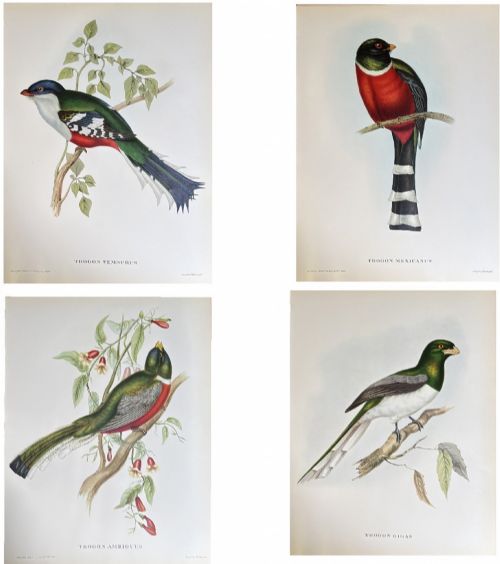
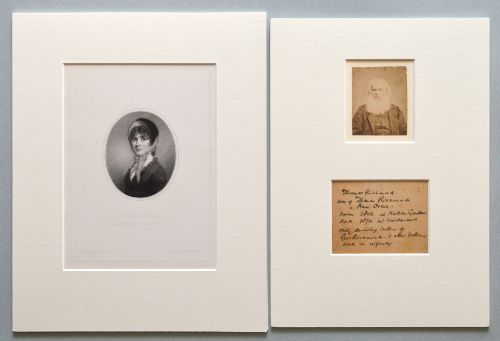

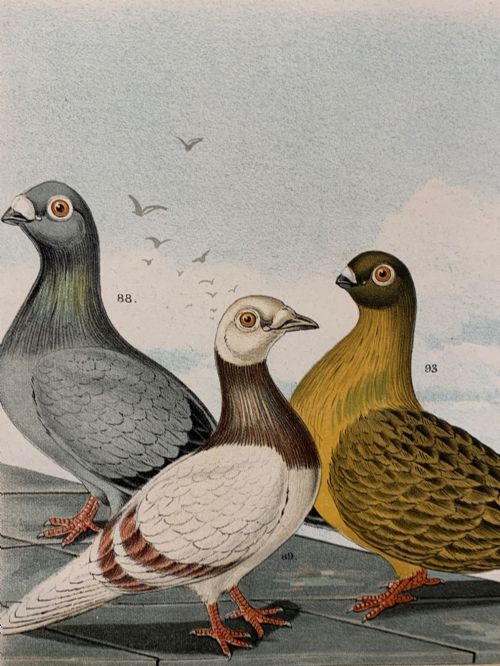
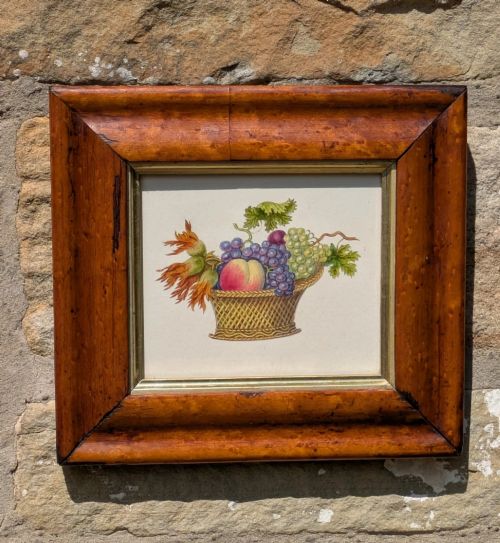
19th Century Art Print
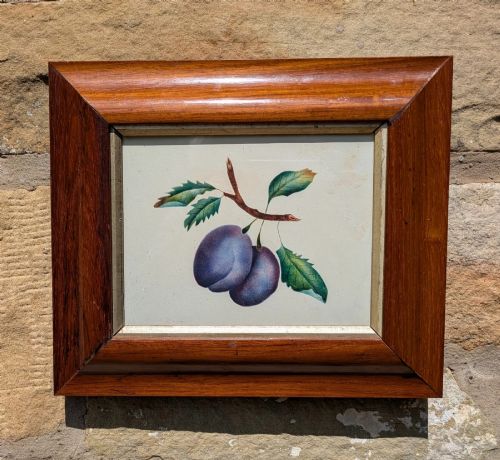
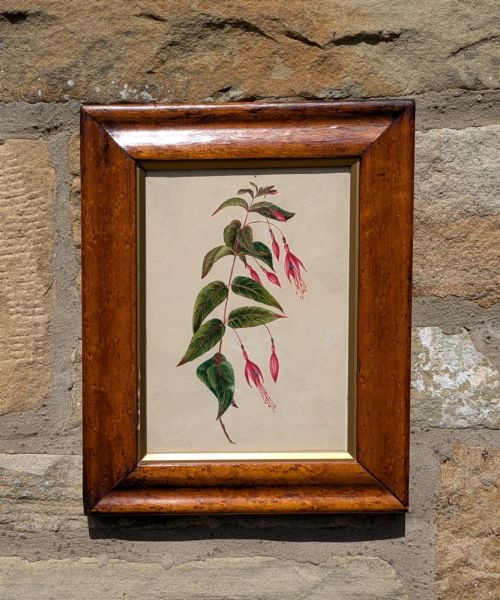
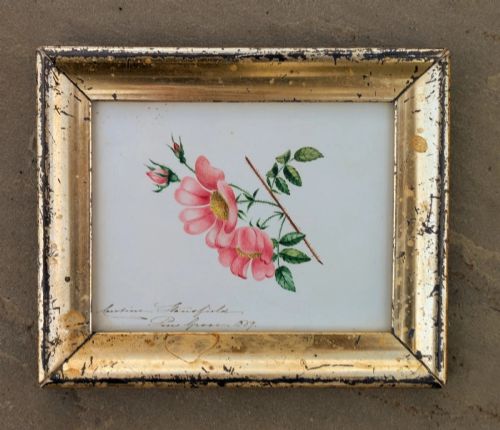
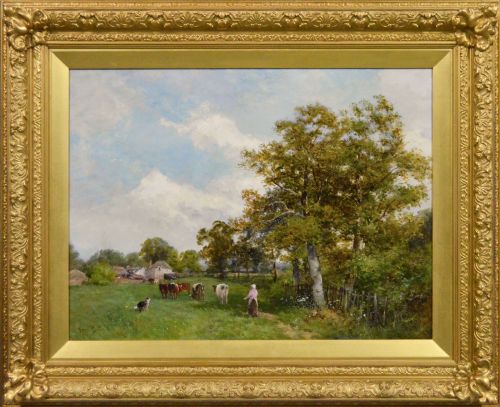
These 19th century art print examples bring Victorian walls into modern spaces with original engravings, etchings, and hand-coloured plates.
What 19th century art print pieces are
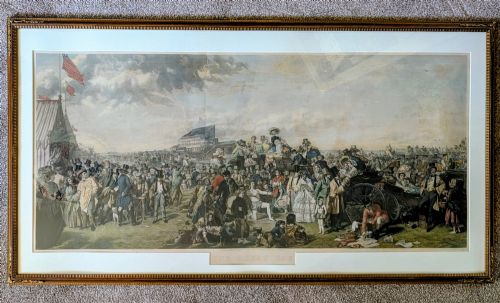
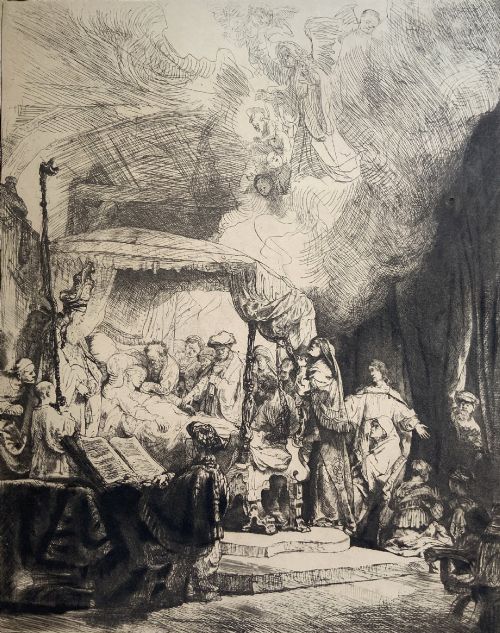
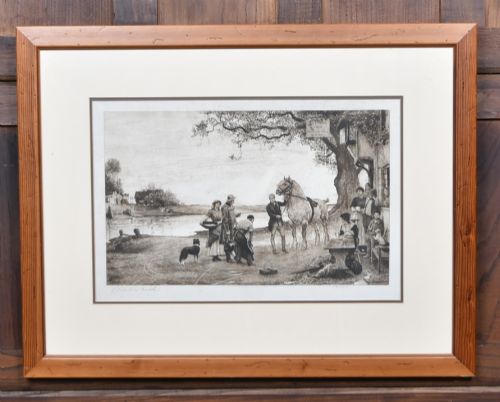
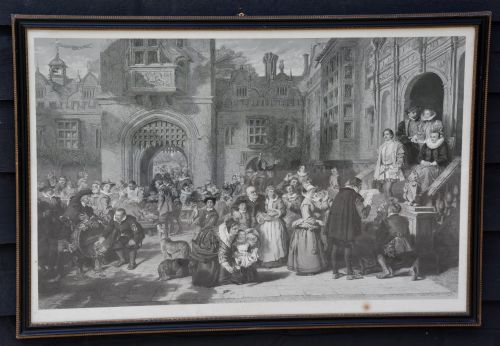
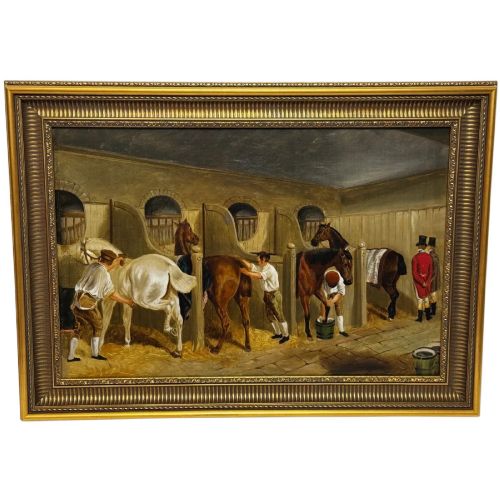
A 19th century art print encompasses copper engravings, etchings, and mezzotints produced during the Victorian period. These works often reproduce larger paintings or capture contemporary sporting scenes and biblical subjects.
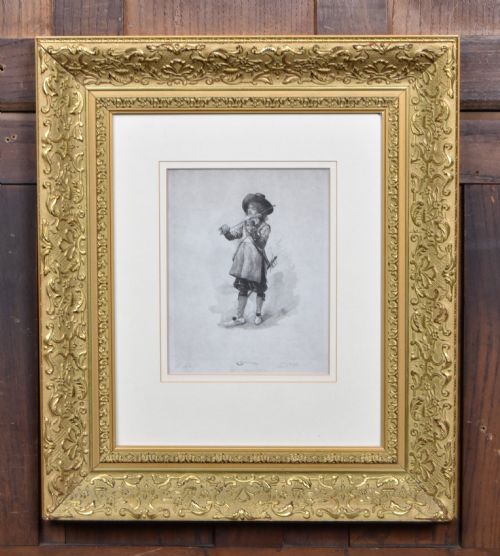
Framed pictures in this category frequently appear behind glass in period surrounds such as Hogarth frames. Buyers encounter wall art ranging in scale from grand narrative works to intimate single sheet engravings.
The material presentation relies heavily on the original framing, combining paper prints with wood, gold leaf, and gilded wood mounts. Neoclassical and Regency influences persist alongside distinctly Victorian tastes.
How they were made
Printmakers utilised copper plates and steel plates to transfer detailed ink impressions onto paper sheets. Skilled hands then added colour to certain plates using watercolour washes.
Finished works received bespoke framing in mahogany or giltwood, often protected beneath glass. Original frames frequently incorporated gold leaf highlights to enhance the visual depth of the image.
Retail Price Guide 2026
Typical UK retail prices for 19th century art print, calculated from the Sellingantiques database of over a million retail prices indexed since 2003. This retail price guide relies exclusively on Sellingantiques data; no external sources or auction records are used, so the figures do not describe the wider market.
Victorian sporting scenes and religious subjects appear alongside neoclassical architectural engravings.
What varies in quality
Quality rests upon the crispness of the ink impression and the fidelity of the plate work. Early impressions show sharp lines and fine detail that wear down in later print runs.
The integrity of the framing contributes significantly to the piece. Original Hogarth frames and period gilded wood surrounds preserved in clean condition elevate the overall standard of the object.
William Powell Frith·Gustave Doré·Adolphe Pannemaker·Alessandro Mocchetti·David Wilkie·George Morland·E Bell
The 19th Century Art Print Glossary
- Engraving
- A printmaking technique where an artist cuts lines directly into a metal plate with a burin. The resulting incisions hold the ink for transfer onto paper.
- Etching
- A method where acid bites lines into a metal plate protected by a wax ground. This process allows for free, flowing lines similar to a pen drawing.
- Mezzotint
- A tonal printmaking process that achieves rich dark areas and subtle gradations of light. The metal plate is roughened uniformly before smooth areas are scraped away.
- Hogarth frame
- A distinctive narrow wooden picture frame with a stepped or ogee profile, typically finished in dark wood with a gilded inner slip. These frames were popular during the eighteenth and nineteenth centuries for mounting prints.
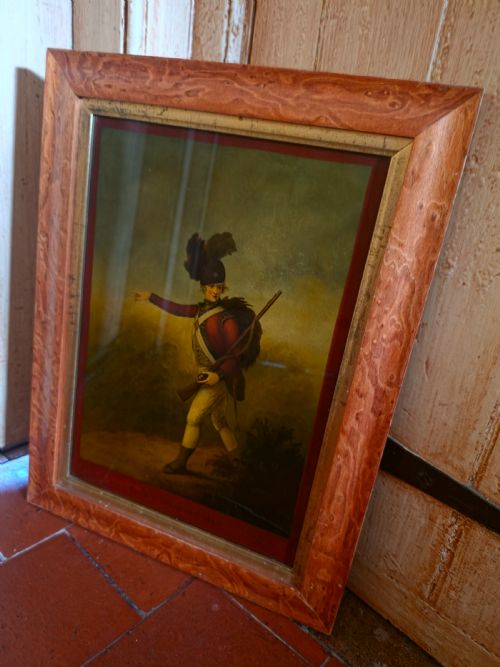
- Crystoleum
- A Victorian method of applying a colour print to the inside of concave glass, rendering the paper transparent before painting over the reverse with oils.
Frequently Asked Questions
How do I hang a heavy framed print?
Ensure the wall fixings match the weight of the wood and glass housing. Secure the hanging wire directly to the heavy frame rather than relying on old backing rings.
Distribute the load across two wall hooks to keep the frame straight and protect the antique wood.
Should I clean the glass on my print?
Use a soft cloth dampened slightly with water rather than spraying liquid directly onto the glass. Moisture can seep beneath the old frame edge and damage the paper print.
Keep moisture away from the giltwood or gold leaf surrounds to prevent flaking.
Are these prints originals?
The listings comprise period impressions pulled from plates engraved or etched in the nineteenth century. Many reproduce famous paintings of the era while others record contemporary sporting and historical scenes.
Examine the ink depth and paper texture to identify period printing characteristics.
How do I protect paper from sunlight?
Hang prints away from direct sunlight to prevent the ink and any hand-applied watercolour from fading. UV-protective glass offers additional security for sensitive nineteenth-century paper.
Maintain stable room humidity to avoid cockling or paper distortion within the frame.