

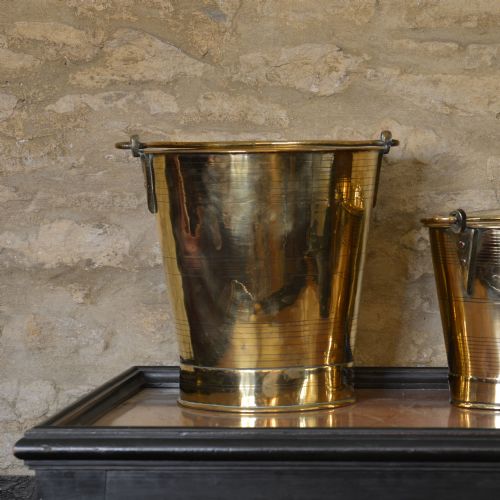
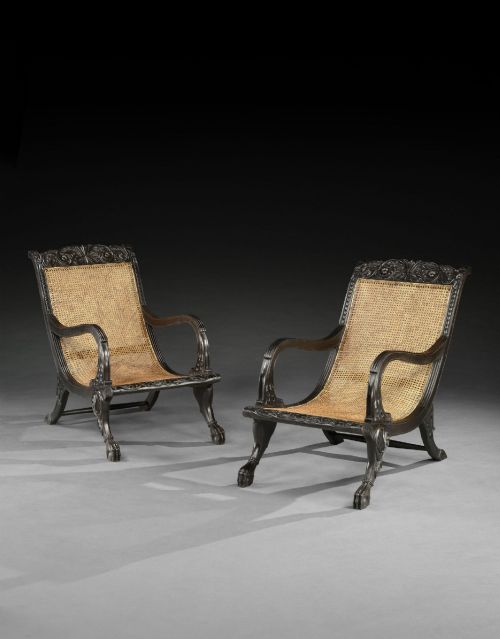
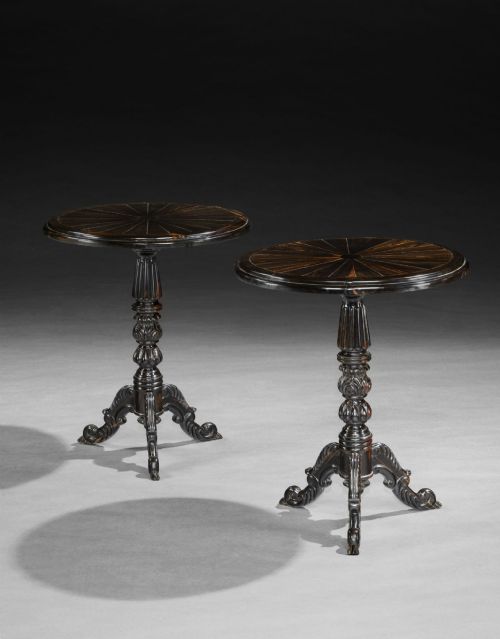
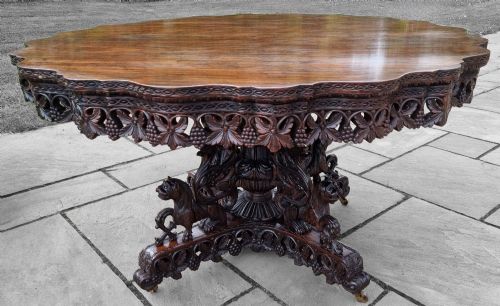
19th Century Anglo Indian Furniture
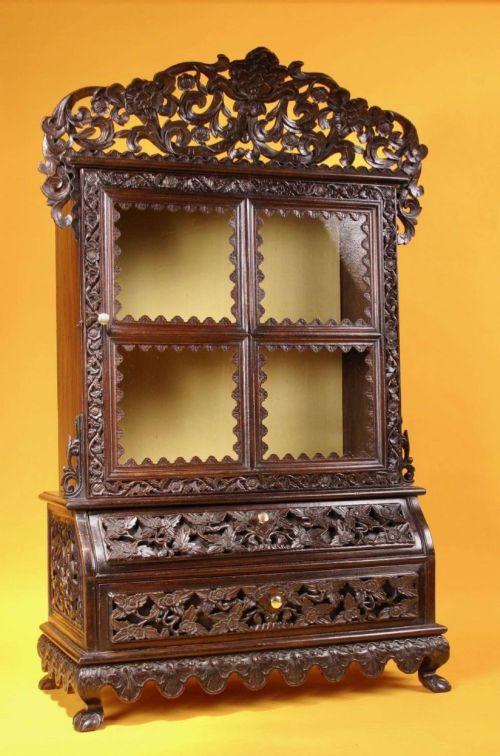
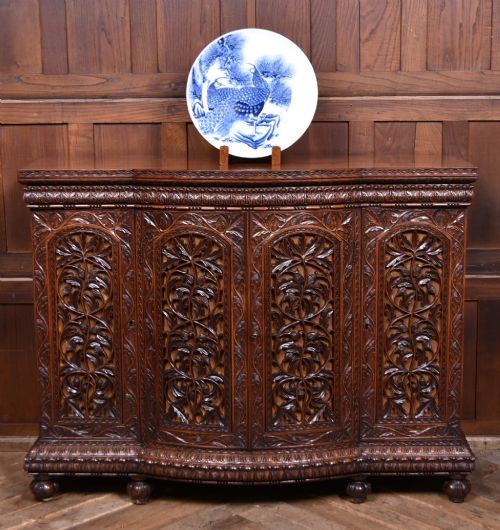
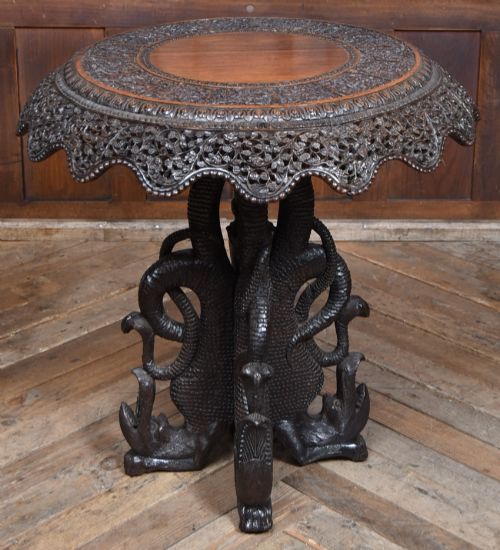
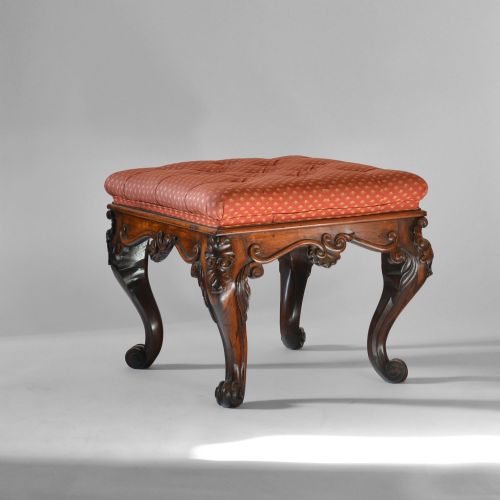
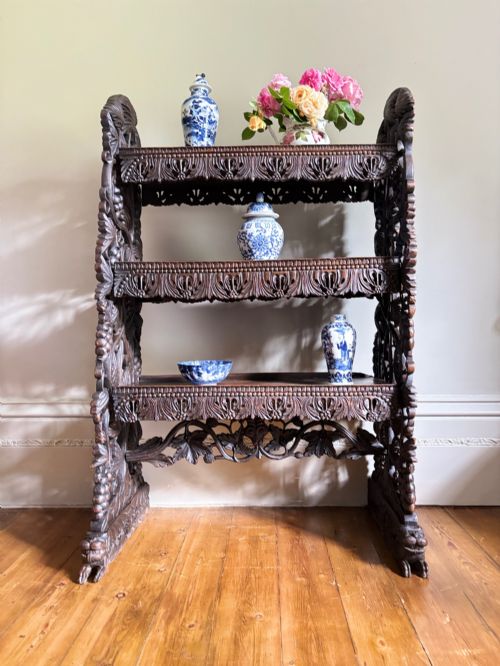
These pieces of 19th century anglo indian furniture bridge British classical forms with intricate eastern craftsmanship, offering dense hardwoods and elaborate carving for a room.

19th Century Anglo Indian Furniture
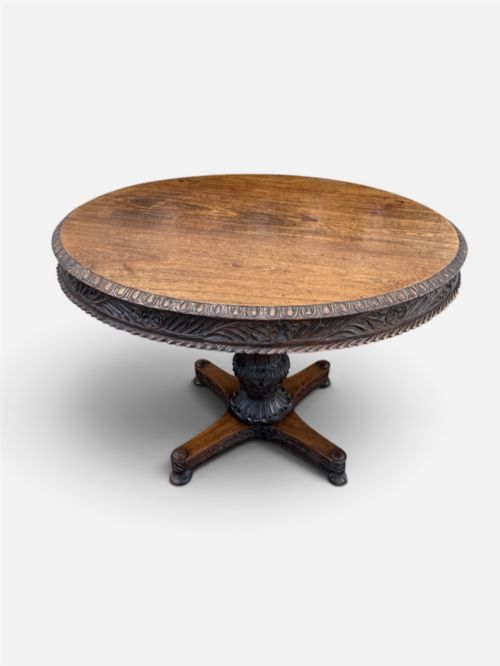
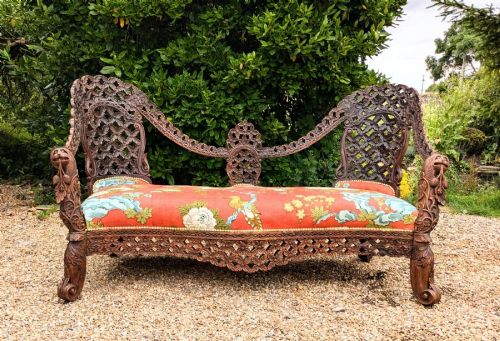
When you search for 19th century anglo indian furniture, you encounter tables, chairs, and cabinets created during the British colonial period in India, Ceylon, and Burma. These items merge traditional European furniture shapes with local artisan carving traditions.
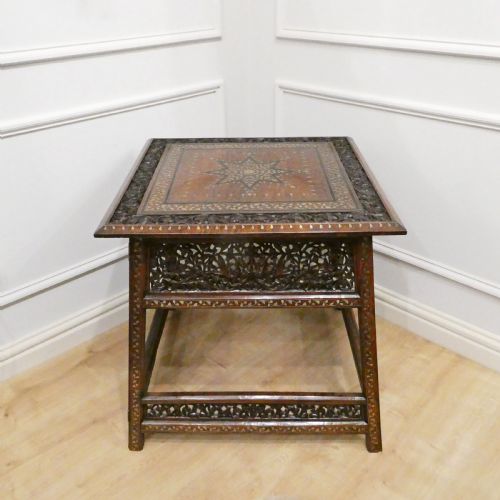
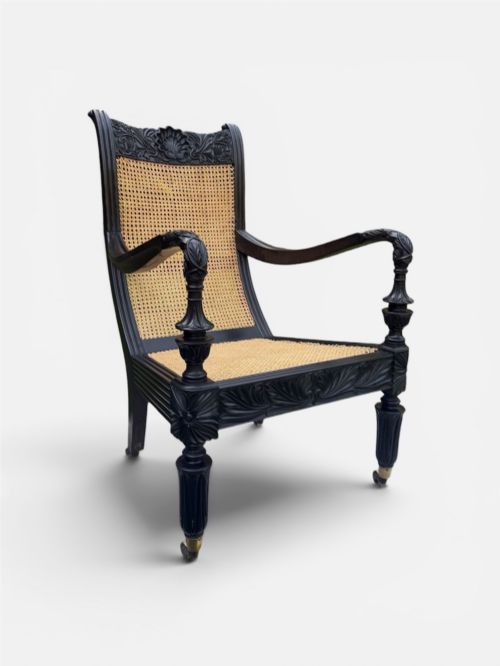
You meet centre tables, side tables, armchairs, and occasional tables most frequently on this page. Many incorporate regional styles such as Hoshiarpur inlay work or Ceylonese ebony carving.
The objects serve functional household roles while displaying dense floral motifs, geometric patterns, or animal carvings. They reflect a distinct cross-cultural design history spanning the Victorian era.
Materials and Construction
The workshops utilised dense tropical timbers including padauk, teak, rosewood, and ebony as the primary structural woods. These heavy woods supported deep, undercut relief carving that softer European timbers could not sustain.
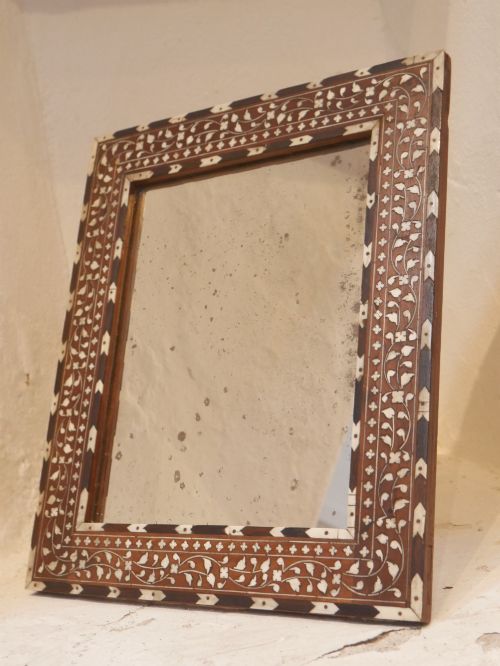
Inlayers decorated surfaces using contrasting materials such as bone, brass wire, and mother-of-pearl set into geometric patterns. Artisans also employed cane for seating panels and built portable campaign pieces with folding or dismantling frames.
The listings here feature 19th century periods alongside specific materials like teak, rosewood, ebony, and brass inlay across various table and cabinet forms.
Judging Quality and Execution
The depth and crispness of the hand carving dictate the standard of execution across these items. Superior examples display sharp undercutting and continuous detail, whereas lesser pieces show shallow, hurried surface scoring.
The integrity of the timber selection and the precision of inlaid brass or bone segments differentiate fine workshop output from standard production. Grain matching and the stability of dense hardwoods under changing climates also influence overall execution.
The 19th Century Anglo Indian Furniture Glossary
- Padauk
- A heavy reddish-brown tropical hardwood favoured for carved colonial furniture. It darkens with age to a deep rich brown.
- Hoshiarpur
- A style of woodwork originating from Punjab, defined by intricate geometric inlay in brass, bone, or shesham wood. The surface is densely covered without leaving plain areas.
- Campaign
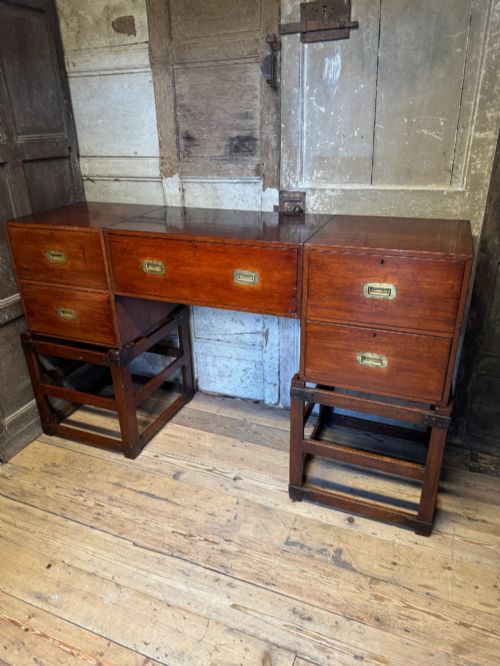
- Portable furniture designed for British military officers on the move. These pieces often feature brass corners and folding elements for easy transport.
- Teapoy
- A small table traditionally used for holding tea caddies and serving tea. Nineteenth-century examples often sit on central pedestals with carved tripod bases.
- Cane
- Woven rattan material used for chair seats and back panels. It provided cool seating in warm colonial climates.
19th Century Anglo Indian Furniture: Frequently Asked Questions
How do I identify Hoshiarpur pieces?
Hoshiarpur items are distinguished by an all-over geometric inlay of brass and bone set into wooden surfaces. The entire piece is densely covered in intricate patterns.
This distinct regional style originated in Punjab and differs from the heavily carved floral padauk furniture produced in other parts of the subcontinent.
Were these items made for British homes?
Many pieces were commissioned or purchased by British officials and families living in India, Ceylon, and Burma during the colonial period. They brought these decorative items back to Britain upon their return.
As a result, the forms often follow standard European furniture types such as partner desks, sideboards, and library chairs.
How should I care for tropical hardwoods?
Maintain stable humidity levels in your room to prevent dense woods like padauk, ebony, and rosewood from splitting. Avoid placing the items near direct heat sources.
Dust regularly with a soft cloth and apply minimal wax only when the wood appears dry to preserve the natural finish.
What is the difference between Ceylonese and Indian work?
Ceylonese pieces frequently utilise solid ebony and calamander wood, often featuring characteristic Dutch colonial architectural influences in their turning and profile. The carving tends toward dense foliate scrolls.
Indian production spans various regional centres, incorporating padauk, ivory or bone inlay, and specific decorative idioms like the Hoshiarpur geometric style or figurative elephant motifs.