
19th C Chest
When you explore a 19th c chest, you are choosing a piece of historic storage history crafted to anchor a room.
19th C Chest
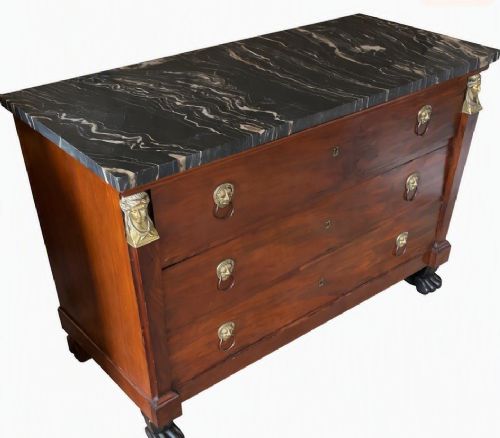
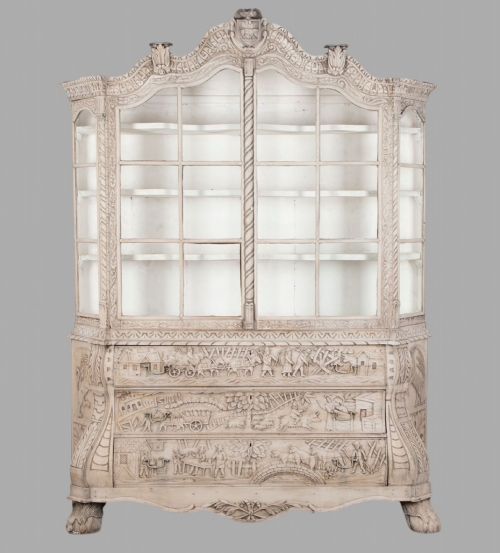
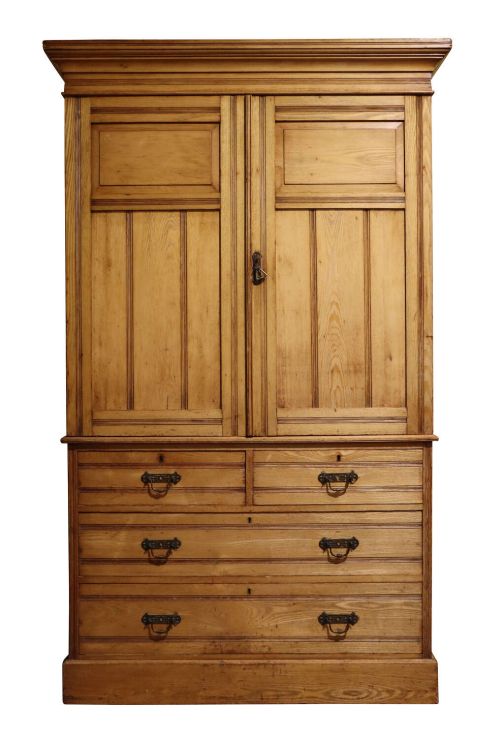
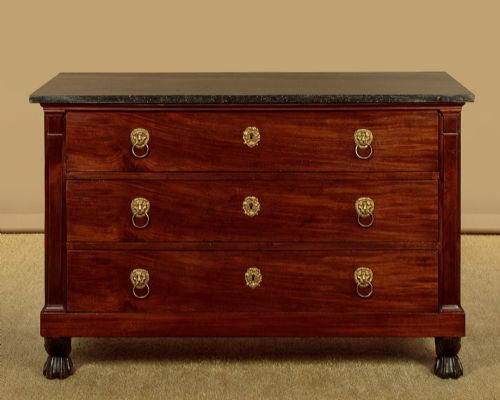
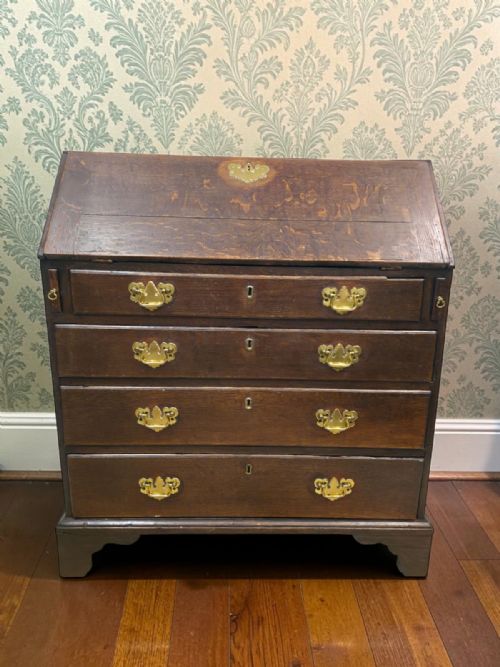
A 19th c chest encompasses diverse storage solutions ranging from grand mahogany bow-front drawers to robust campaign trunks designed for travel. The selection spans the Georgian, Regency, and Victorian eras, incorporating regional variations such as country pine blanket boxes and French commodes.
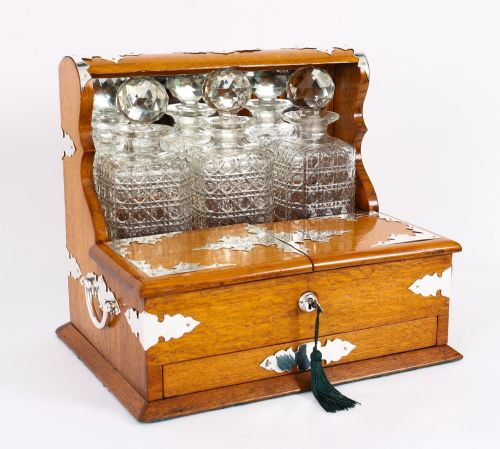
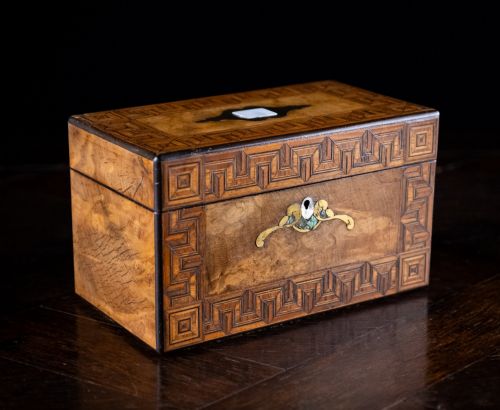
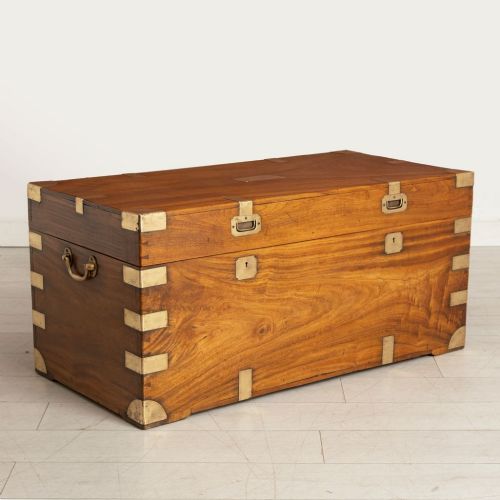
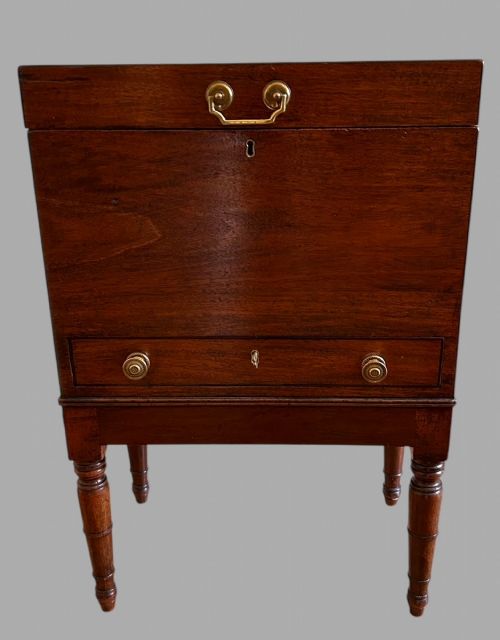
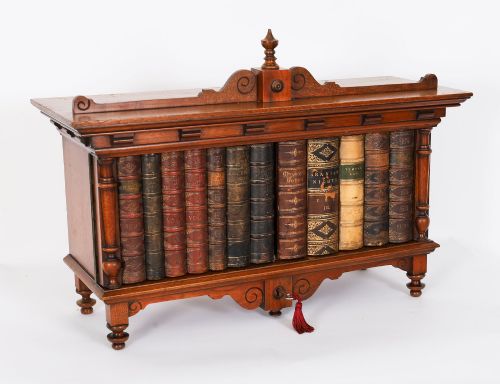
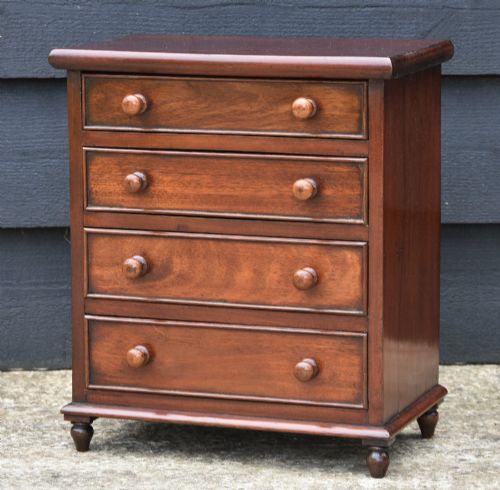
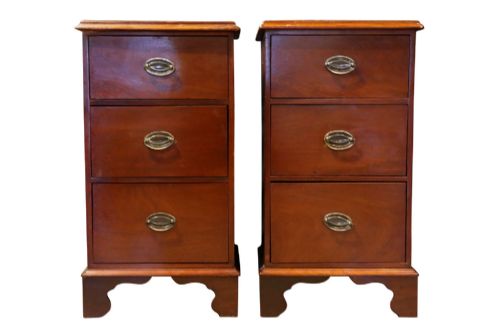
Buyers frequently encounter mahogany and pine chests of drawers alongside campaign pieces outfitted with brass corners and handles. Smaller forms, including apprentice chests and tabletop collectors cabinets, also appear across the selection.
The origins stretch across English workshops, Scottish makers, and continental European hubs like Sweden and France. Each piece reflects the domestic and travel requirements of its specific decade.
Materials and Construction
Makers utilised dense timbers like mahogany, walnut, and oak for formal domestic furniture, alongside pine for regional country pieces. Camphor wood and teak appear frequently in travel chests due to their durability and insect-resistant properties.
Construction methods relied on traditional dovetail joints for drawer boxes and hand-turned pulls or brass hardware for fixtures. Surface finishes range from French polish on flame mahogany to hand-painted treatments on pine blanket boxes.
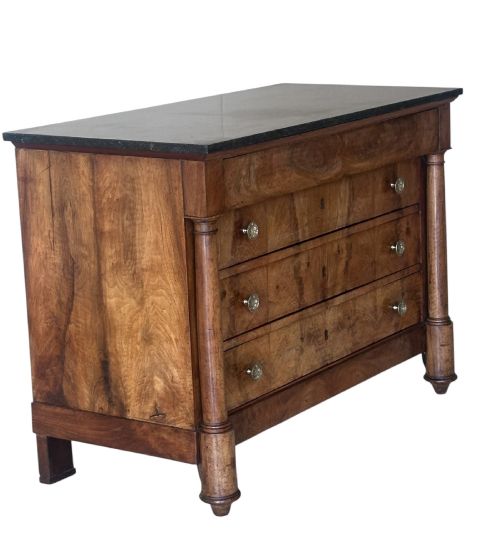
Listings feature regional European variations including Swedish birch cabinets and French walnut commodes alongside English mahogany pieces.
Evaluating Quality
Quality rests in the selection of timber veneers, such as flame mahogany or burr walnut, and how carefully the grain patterns align across the drawer fronts. Superior examples show meticulous attention to internal drawer construction and original brass mounts.
Proportion and decorative restraint dictate distinction, separating standard utility furniture from sophisticated cabinetwork attributed to known makers or high-end workshops.
T G Seddon·Samuel Pratt·Susse Freres
The 19th C Chest Glossary
- Campaign chest
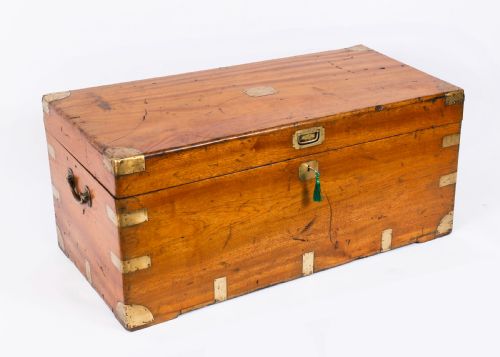
- A portable storage trunk designed to be dismantled into sections for military transport, typically reinforced with brass corners and inset handles.
- Bow front
- A convex curved cabinet front popular during the Regency period that showcases figured mahogany veneers.
- Secretaire
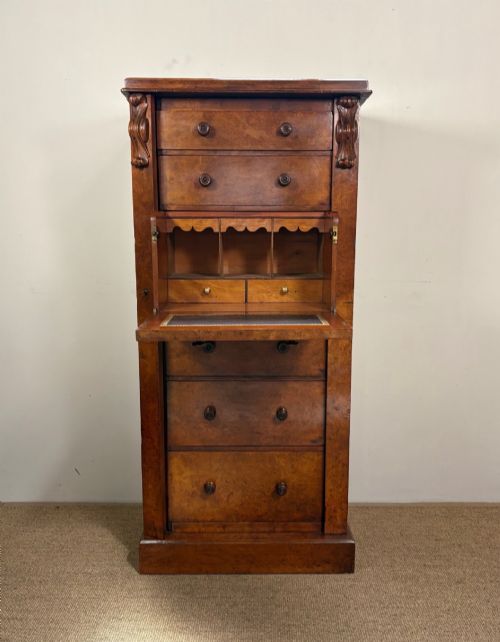
- A cabinet or chest featuring a pull-down writing drawer that conceals a fitted interior of small compartments and pigeonholes.
- Commode
- A low French chest of drawers, often topped with marble and constructed from walnut or mahogany.
- Coffer
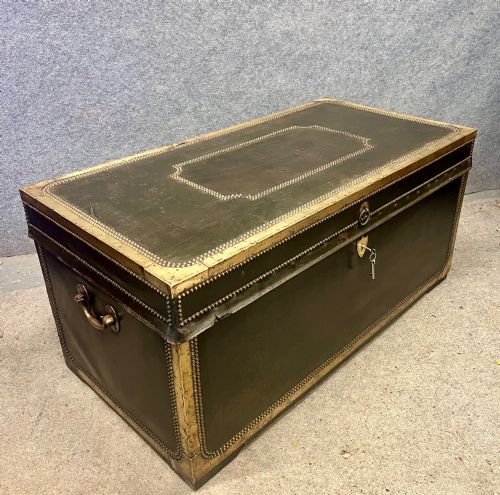
- A heavy wooden box used for storage, sometimes mounted with metal studs or banding for security and decoration.
19th C Chest: Frequently Asked Questions
What is a campaign chest?
A campaign chest is a modular trunk built in two or more stacking sections so British officers could transport their belongings during military campaigns. They are heavily reinforced with brass corners and flush handles to withstand rough travel.
These pieces were constructed from durable timbers like camphor wood or teak. Their clever design allows them to separate easily while maintaining stability when stacked.
How do I date a mahogany chest?
Dating relies on observing changes in hardware, timber selection, and construction techniques across the Georgian, Regency, and Victorian periods. Earlier pieces often feature bracket feet and cockbeaded drawer edges, while later Victorian versions tend to be heavier with plinth bases.
Examining the secondary woods inside the drawer boxes provides further clues about the workshop origins. Drawer linings in oak or pine typically shift from hand-sawn boards in early examples to machine-cut timber by the late nineteenth century.
Where were camphor wood chests used?
Camphor wood chests served as trunks for travellers and merchants navigating trade routes across the British Empire. The wood was chosen because its natural aroma repelled moths and insects.
These chests often feature robust brass binding and carrying handles. They were kept in cabins or transported on ships to protect garments and valuables from humidity and pests.
How do I care for a veneer chest?
Maintaining a veneered chest requires keeping the wood away from direct sunlight and sudden temperature shifts that can cause the glue underneath to dry out. Regular dusting with a soft, dry cloth preserves the polished finish without harming the historic surface.
Applying a traditional beeswax occasionally helps nourish the timber. Avoid placing damp items or heavy glass directly onto the antique surface to prevent staining.