


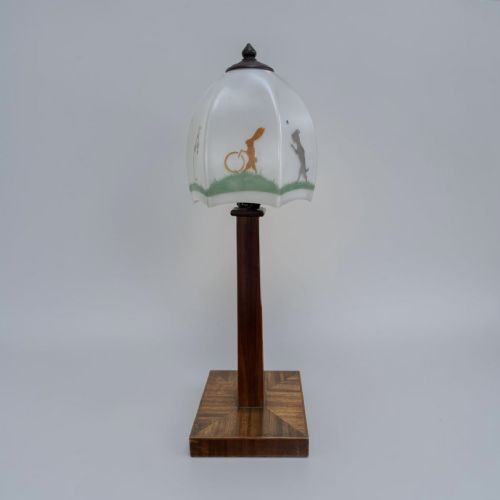
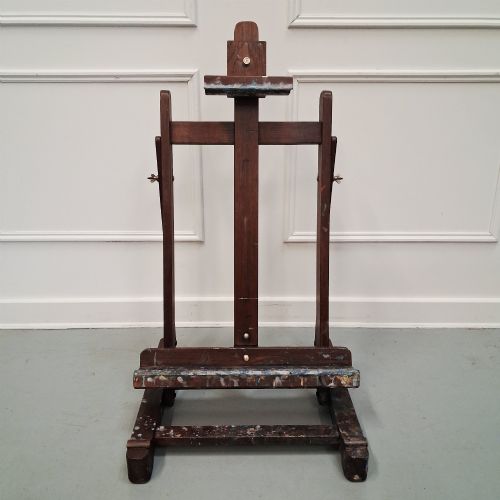
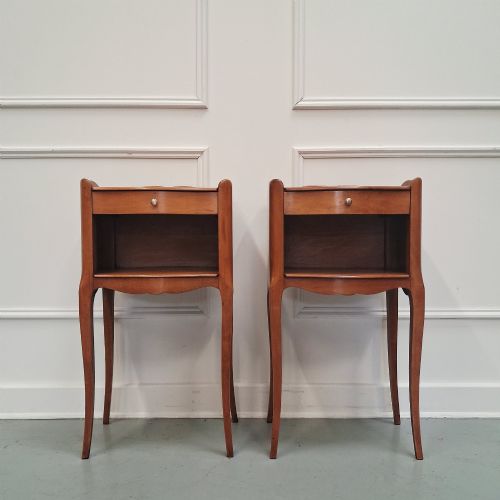
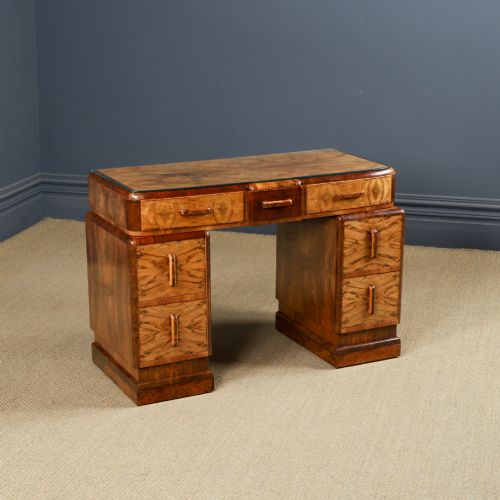
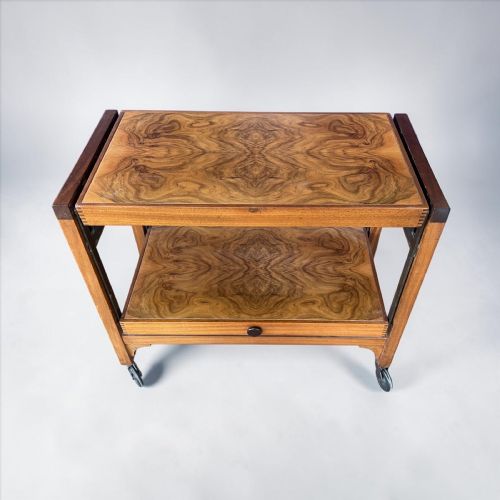

1930s Wooden Table
These 1930s wooden table selections bring period craftsmanship and functional surface space into a room.
1930s Wooden Table
A 1930s wooden table encompasses practical household items including dining tables, side tables, occasional pieces, desks, and bedside tables. These objects emerge from various cultural influences, spanning English, French, and Amsterdam School traditions.
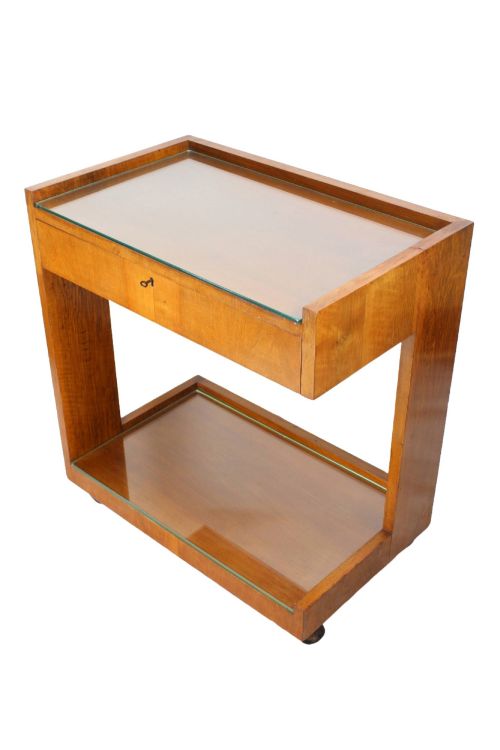
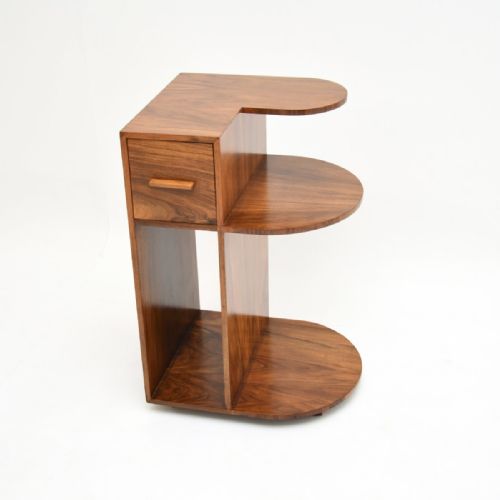
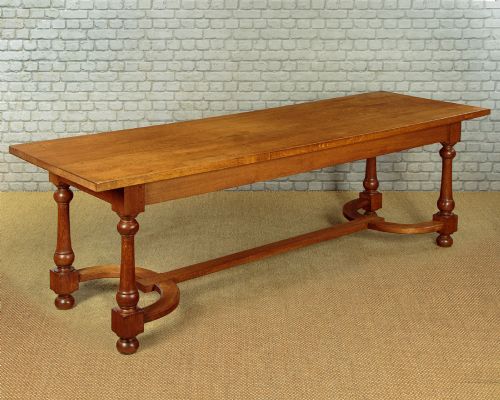
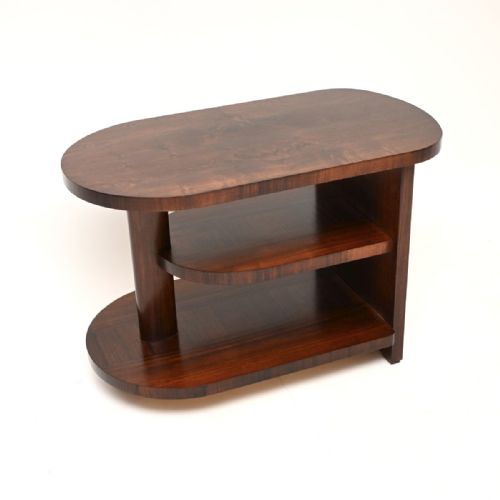
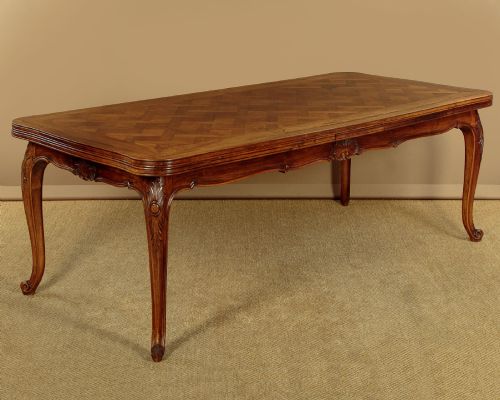
Buyers encounter forms ranging from rustic refectory dining tables and farmhouse work tables to streamlined Art Deco occasional tables with parquetry or drawer leaves. The selection reflects both everyday utility and decorative expression characteristic of the period.
Origins include domestic workshops and prominent makers, utilising woods such as oak, walnut, and rosewood to shape the character of each functional surface.
Materials and Technique
Cabinet makers utilised a rich palette of hardwoods including oak, walnut, mahogany, kingwood, and rosewood, often pairing solid timbers with burr elm or bird's eye maple veneers to create striking surface patterns.
Construction techniques combine traditional joinery with period modernist aesthetics, integrating materials like chrome, brass, glass, and leather alongside carved wood and parquetry inlay.
Finishing methods range from hand-carved decorative elements on French provincial consoles to ebonised surfaces and smooth polished veneers on Art Deco office desks.
Listings feature oak, walnut, mahogany, and rosewood alongside modernist materials such as chrome and glass.
Evaluating Execution
The standard of a 1930s wooden table rests on the selection of timber veneers and the precision of the underlying joinery. Finely figured walnut or burr elm matched symmetrically across a top surface denotes careful workshop selection.
Proportion and execution distinguish standard utilitarian items from pieces designed by prominent makers or produced within specific modernist movements. The integration of secondary materials like glass, brass, or chrome demonstrates refined manufacturing ambition.
Gomme·Heal's·Haller·Elliott
The 1930s Wooden Table Glossary
- Parquetry
- Geometric wood inlay work arranged in patterns across table surfaces. This technique creates decorative geometric effects using contrasting timbers.
- Refectory table
- A long, narrow dining table traditionally supported by substantial trestles or legs connected by a central stretcher. These sturdy pieces serve communal dining purposes.
- Occasional table
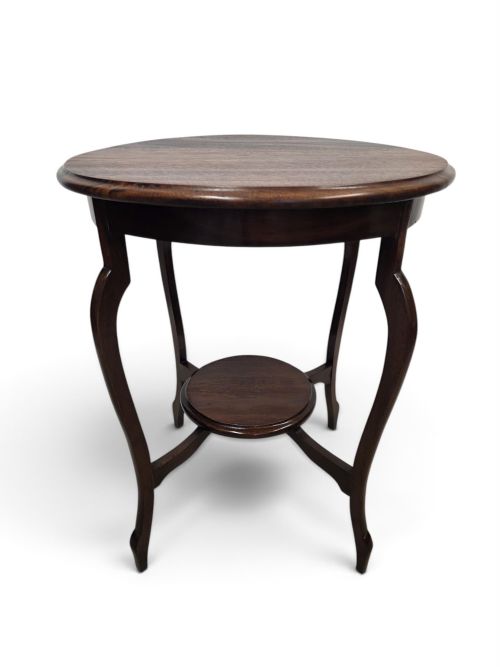
- A small, movable table designed for specific, intermittent uses within a living space. Examples include side tables and small coffee surfaces.
- Veneer
- A thin slice of decorative wood glued over a secondary timber base. Figured walnut and burr elm are frequently applied in this manner to achieve visual depth.
1930s Wooden Table: Frequently Asked Questions
What defines a 1930s wooden table?
A 1930s wooden table typically incorporates materials like oak, walnut, or rosewood, constructed in styles ranging from traditional refectory forms to streamlined Art Deco designs.
These pieces reflect the transition between classic craftsmanship and early modernist interior aesthetics.
How do I care for my table?
Maintain wooden surfaces by dusting regularly with a soft, dry cloth and avoiding excessive moisture or direct sunlight.
Applying appropriate wax polishes periodically helps preserve the finish on veneered and solid timber furniture.
Where were these tables used?
These pieces served diverse functions throughout the home, from dining rooms and offices to bedrooms and hallways.
Specific forms like bedside cabinets, dressing tables, and writing desks catered to dedicated domestic routines.
How do I identify Art Deco styles?
Art Deco pieces often feature geometric symmetry, contrasting exotic wood veneers, and streamlined silhouettes.
Integration of modern materials like glass or chrome alongside traditional woods marks this distinct aesthetic.