

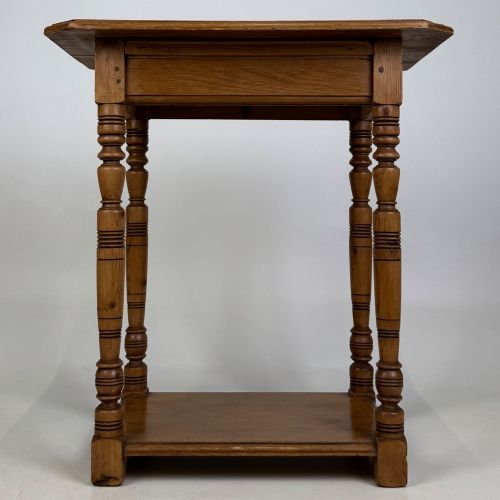
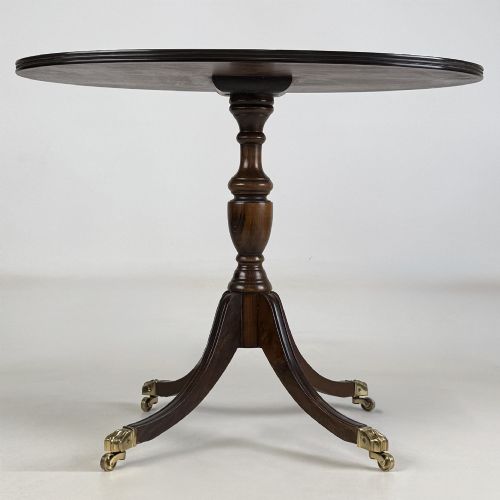
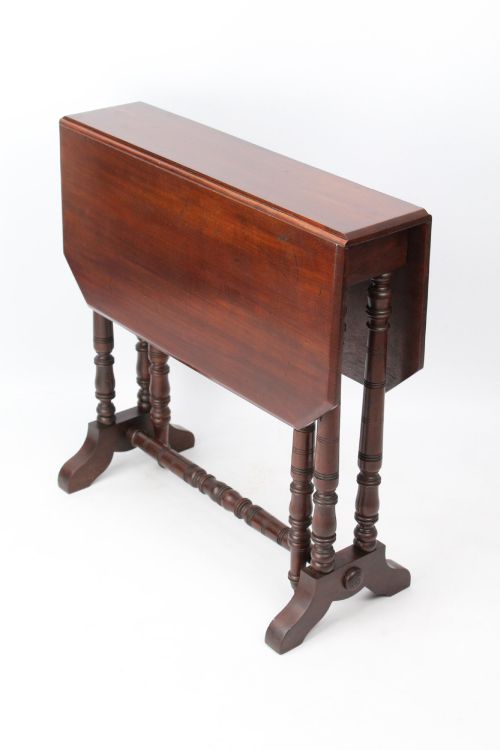
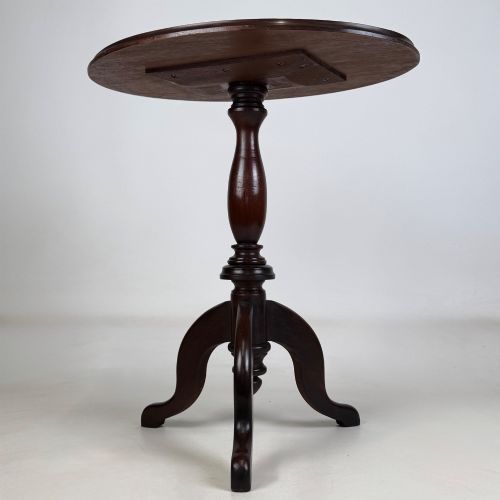
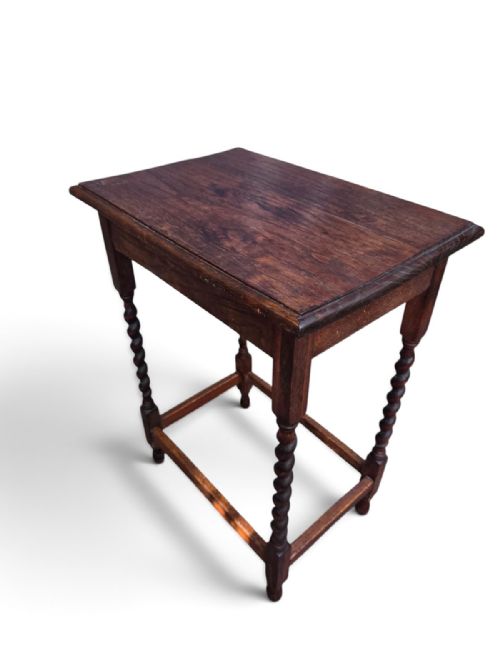
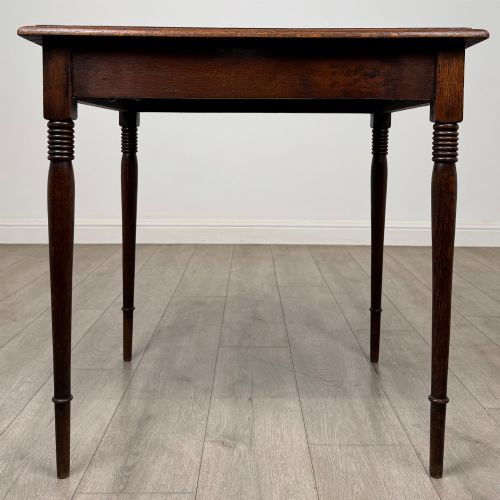
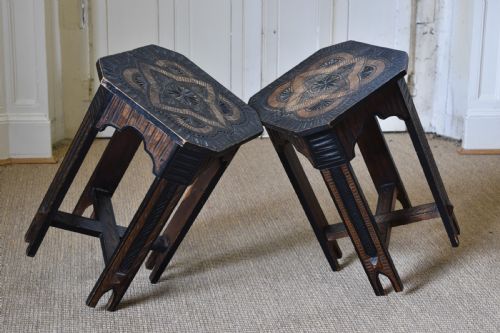
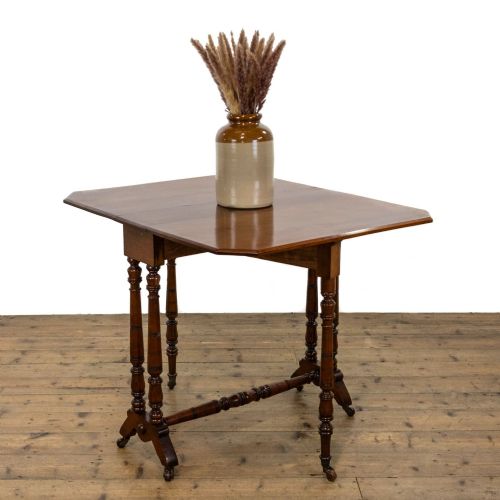
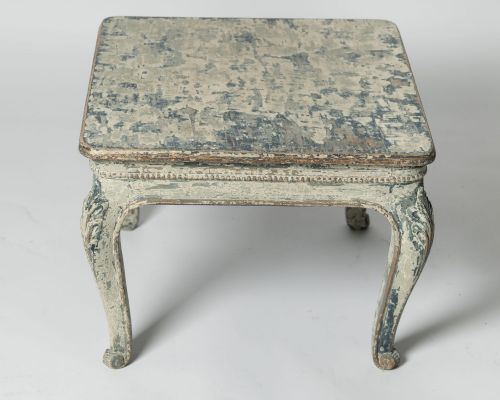
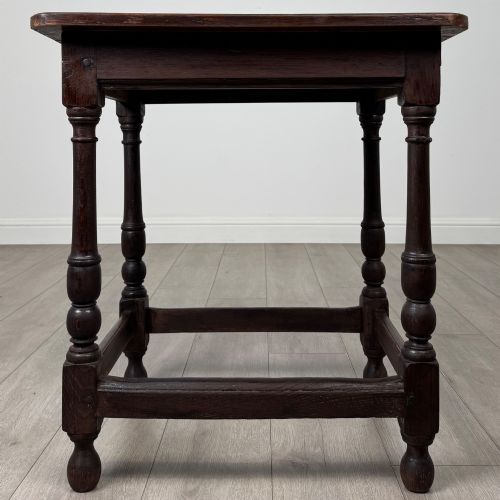
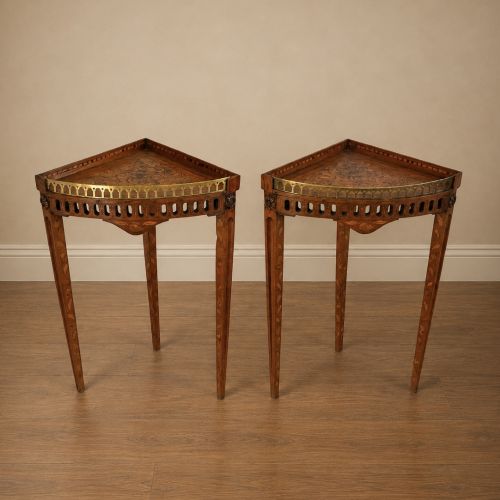
Small Wooden End Table
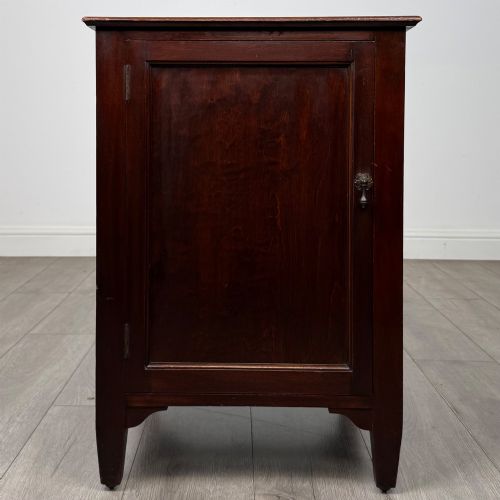
A small wooden end table brings useful surface space and period character to a corner, most often seen here in Edwardian and Victorian oak or mahogany.
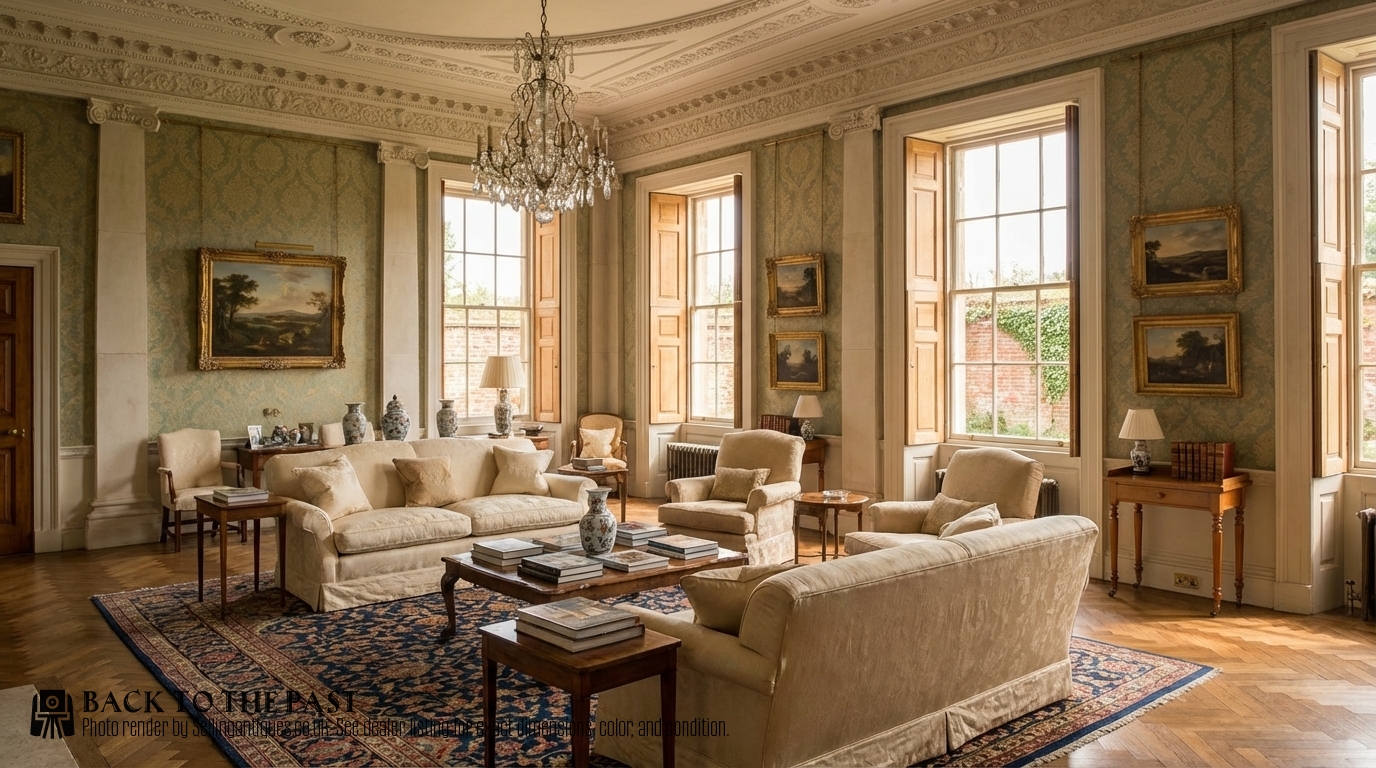
Small Wooden End Table
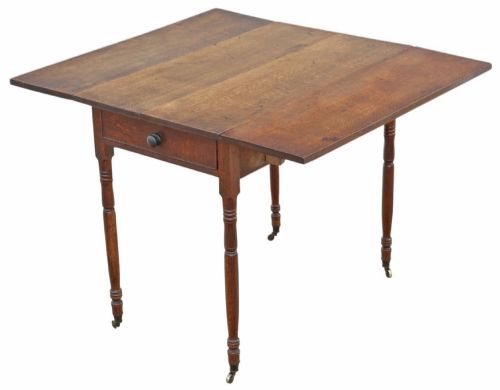
A small wooden end table serves multiple domestic roles, appearing across the listings as side tables, occasional tables, lamp tables, and bedside tables. Buyers seeking a compact surface for a lamp or a book will find numerous examples ranging from late Georgian drop-leaf formats to sturdy Edwardian oak designs.
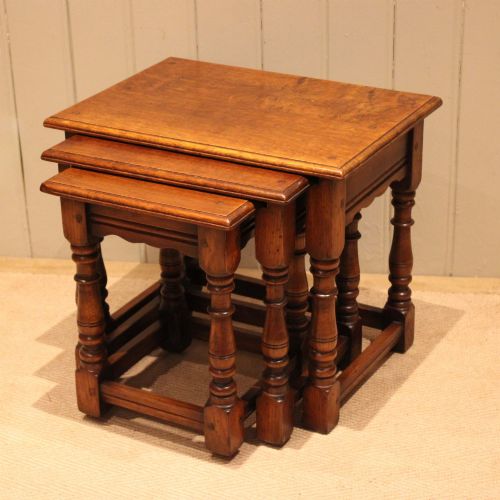
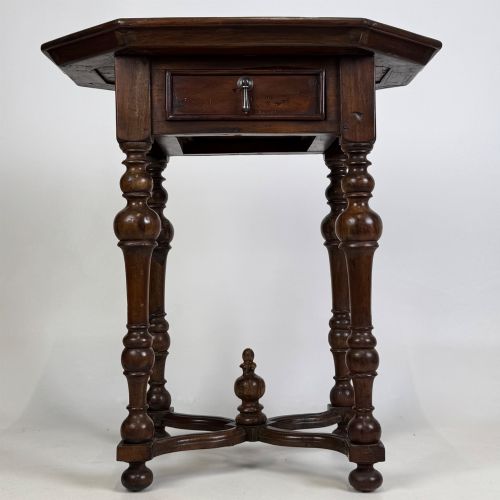
The materials span oak, mahogany, walnut, and fruitwood, shaped into forms such as oval lamp tables, nests of tables, and small corner tables. Pieces hail from distinct periods including the Victorian era, the Edwardian years, and the early twentieth century, reflecting the domestic habits of past households.
How they were made
Cabinet makers constructed these pieces using solid timbers like oak, mahogany, and walnut, often accentuating the grain with burr veneers or satinwood inlay. Structural details include barley twist legs, chip carving, brass galleries, and drop-leaf mechanisms that allowed tables to expand when needed.
Finishing techniques relied on traditional polishes and stains that highlighted the natural figure of the wood, whether dealing with a humble fruitwood side table or an inlaid Georgian corner piece.
Listings feature woods such as mahogany, oak, walnut, rosewood, yew, and fruitwood spanning the eighteenth to the twentieth centuries.
What varies in quality
The integrity of the construction, from stable drop-leaf hinges to cleanly executed chip carving, determines how well a table has endured through the centuries.
Baillie Scott
The Small Wooden End Table Glossary
- Pembroke table
- A small occasional table featuring two hinged drop leaves on opposite sides. It typically includes a single drawer and slender legs.
- Sutherland table
- A narrow drop-leaf table where the leaves drop nearly to the floor. The gatelegs swing out to support the extended flaps.
- Occasional table
- A light, movable table designed for a specific, intermittent use in a room. These often function as lamp or side tables.
- Drop-leaf table
- A table with a fixed central section and hinged flaps that fold down. This design allows the footprint to expand or shrink as needed.
- Marquetry
- Decorative inlay work using various woods fitted into a veneer pattern. It creates pictorial or geometric designs on tabletops.
Small Wooden End Table: Frequently Asked Questions
Where should I place a small wooden end table?
These pieces fit naturally beside a sofa, in a dark hallway corner, or serving as a compact bedside table for a lamp.
Their modest footprint allows them to occupy awkward spaces without crowding the room while providing a practical surface.
How do I identify an Edwardian side table?
Edwardian examples often feature light mahogany or oak construction, sometimes with simple inlay or tapered legs reflecting the tastes of the early twentieth century.
They tend to prioritize domestic utility and lighter forms compared to heavier Victorian predecessors.
What is the difference between a side table and a lamp table?
In practice, the terms often overlap across antique listings to describe small surface tables.
A lamp table specifically implies a surface sized to hold a lighting fixture, whereas a side table is a broader term for any small table placed against a wall or beside seating.
Can these tables support heavy items?
Most pieces are built for occasional domestic use, holding books, drinks, or table lamps rather than heavy loads.
Solid construction in oak or mahogany provides daily stability, but hinged mechanisms like drop leaves require careful treatment.