


Vintage Square Side Table
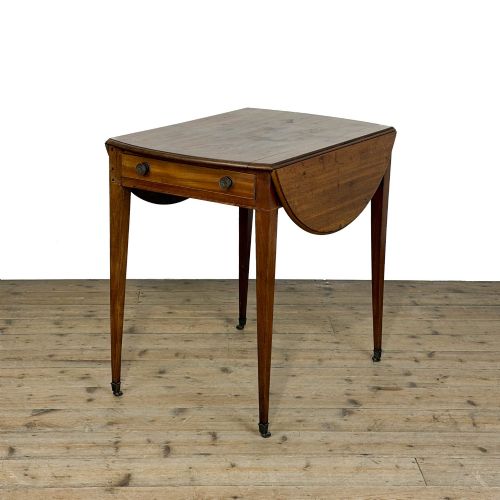
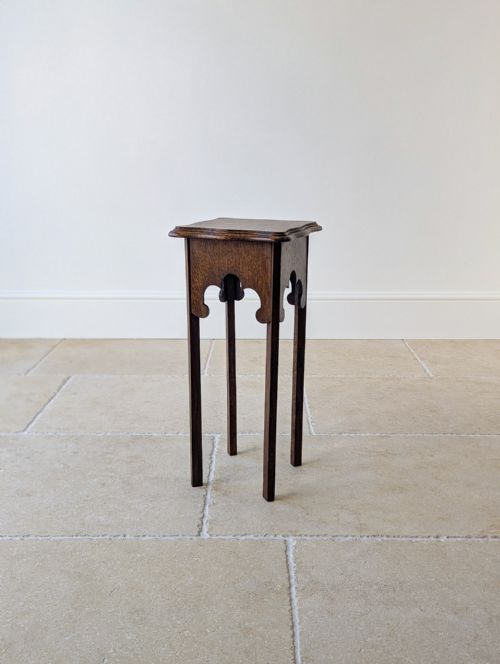
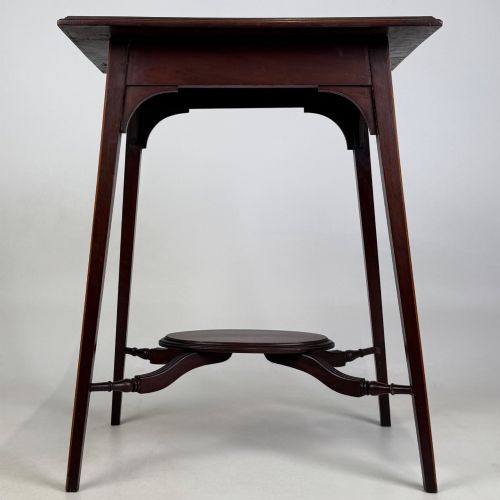
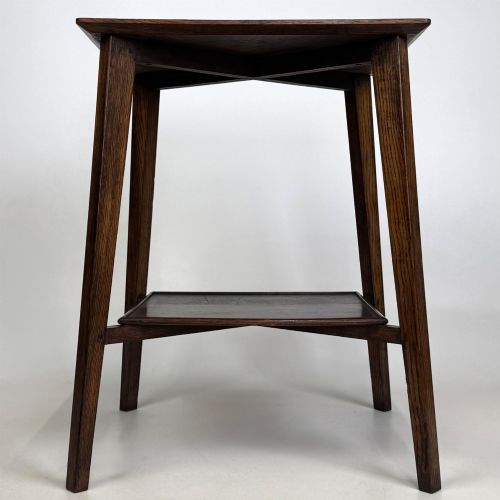
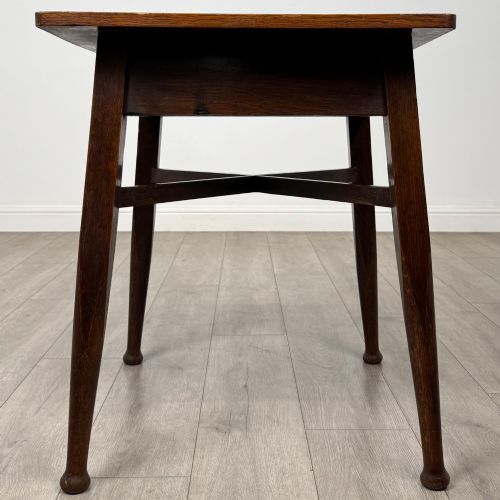
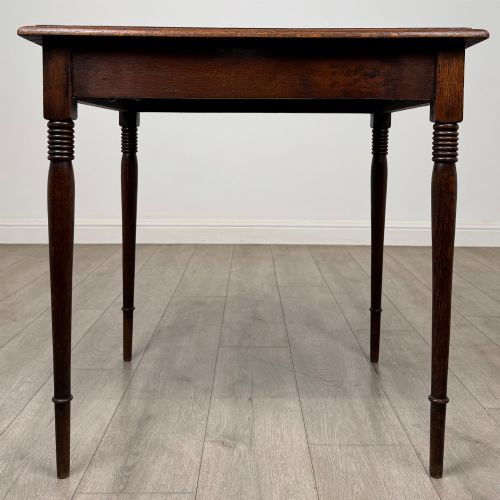
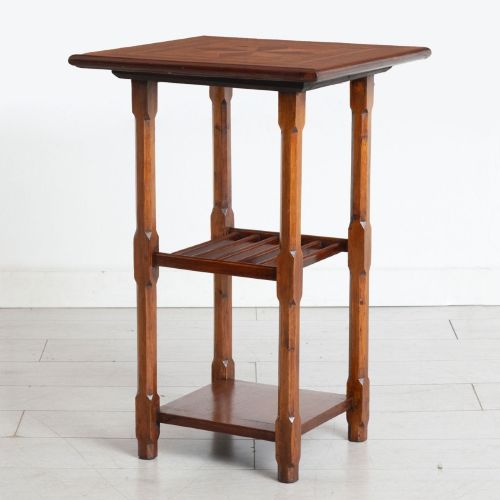
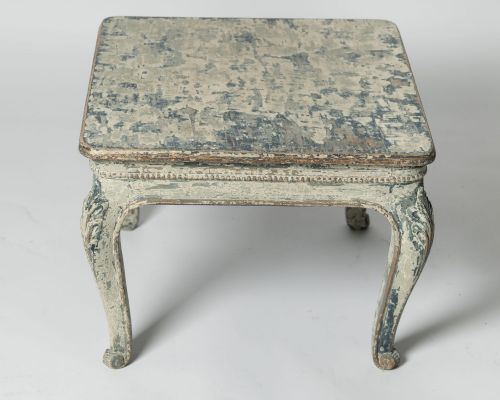
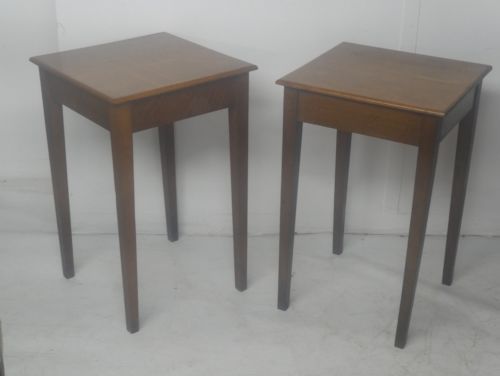
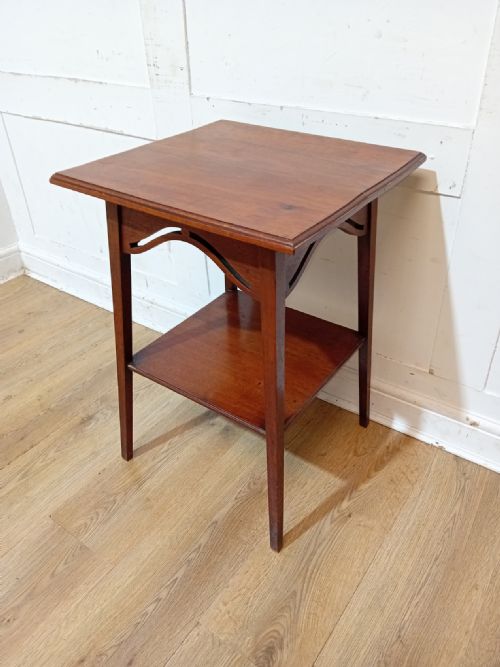
These vintage square side table examples span Edwardian, Art Deco, and Arts and Crafts periods, offering compact surfaces crafted in mahogany, oak, and walnut.
Vintage Square Side Table
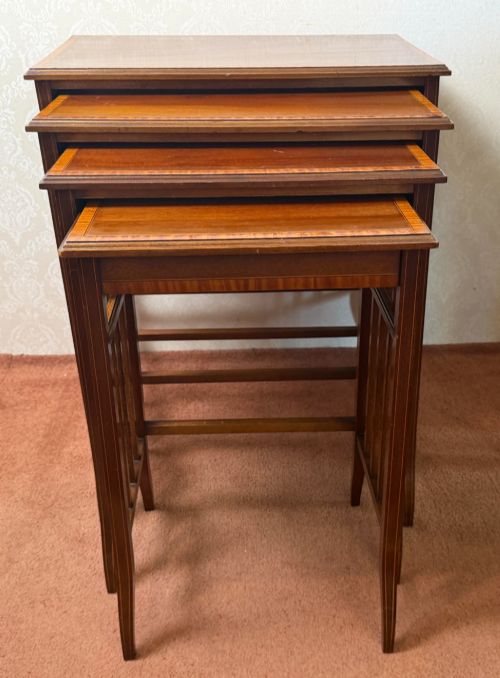
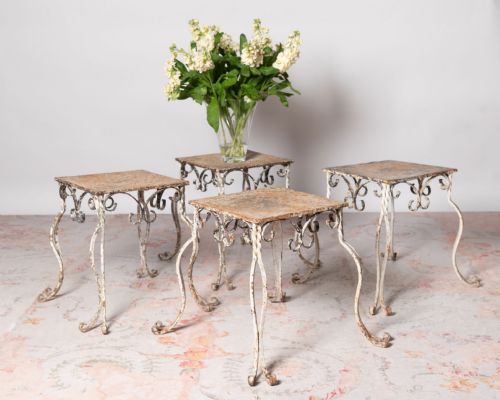
When buyers search for a vintage square side table, they encounter a range of occasional furniture spanning the nineteenth and twentieth centuries. The selection includes compact lamp tables, plant stands, and nests of tables designed for domestic use. Edwardian and Art Deco pieces appear frequently alongside Arts and Crafts designs.
Most items originating from these periods utilise simple geometric forms suited to domestic placement beside seating. Makers employed timbers such as mahogany and oak, often incorporating cross banding or marquetry inlay. These tables served practical functions in period drawing rooms and parlours.
Materials and construction
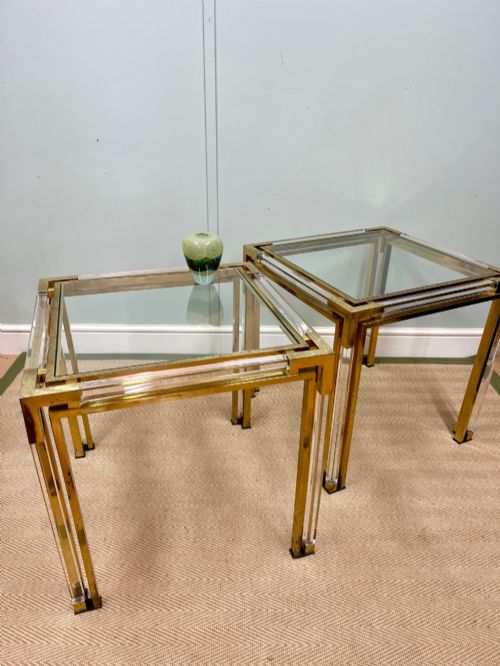
Makers relied heavily on solid hardwoods like mahogany and oak, supplemented by walnut and satinwood for decorative effect. Brass fittings, glass inserts, and marble tops also feature within the selection. Wood veneers added patterned surfaces to Art Deco examples.
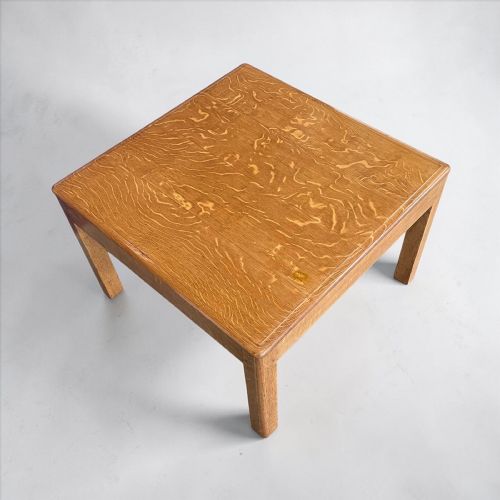
Construction techniques combine traditional joinery with surface ornamentation such as cross banding, boxwood inlay, and hand carving. Edwardian pieces often display delicate inlay work, whereas earlier Arts and Crafts examples emphasise unadorned timber grains and visible construction.
One unexpected survivor includes a Japanese elm tea kneeling table from the Meiji period.
Distinguishing quality
Quality rests in the selection of timbers and the precision of decorative inlays such as satinwood cross banding. Highly figured veneers on Art Deco pieces elevate the visual impact of the surface. Finer examples display meticulous hand carving rather than pressed ornamentation.
Structural integrity depends on stable joinery and the selection of primary timbers. Pieces originating from known workshops or utilising brass mounts and marble inserts demonstrate higher standards of execution. The harmony of proportions distinguishes standard production from superior cabinet work.
Betty Joel·Liberty of London
The Vintage Square Side Table Glossary
- Cross banding
- A narrow strip of veneer applied perpendicularly to the grain of the main surface, creating a framed border. This technique appears frequently on Edwardian and nineteenth century tabletops.
- Satinwood
- A durable, lustrous timber native to India and Sri Lanka, utilised for light coloured inlays and geometric banding. It provides a striking contrast against darker woods like mahogany.
- Marquetry
- The art of applying pieces of veneer to a structure to form decorative patterns and pictures. Craftsmen employed various toned woods to achieve pictorial designs on tabletops.
- Barley twist
- A decorative turning technique resembling a twisted rope, common on the wooden legs of oak tables from the early twentieth century. This profile adds texture and visual weight to occasional furniture.
- Occasional table
- A small, movable table designed for specific, intermittent household tasks rather than primary dining. These items include lamp stands, coffee tables, and tea tables.
Vintage Square Side Table: Frequently Asked Questions
What periods do these tables represent?
The pieces span from the nineteenth century through the Edwardian era, Arts and Crafts movement, and the Art Deco period of the nineteen twenties and thirties.
Each era introduced distinct aesthetic priorities, moving from ornate mahogany designs towards geometric veneered forms and simplified oak construction.
How were these small tables used?
Households placed these surfaces beside seating to hold lamps, books, or tea services within convenient reach. Nesting versions provided flexible surface space that could be stored compactly when not required.
Specific variants functioned as plant stands or specialised games tables with inlaid boards and storage compartments.
How do I identify Edwardian examples?
Edwardian items frequently incorporate mahogany or oak timbers detailed with delicate satinwood inlay and tapered legs. These pieces reflect lighter domestic interiors of the early twentieth century.
Lift up tops and revolving bookcase variants also emerge from this specific manufacturing period.
What distinguishes Art Deco tables?
Art Deco designs rely on highly figured wood veneers, geometric silhouettes, and tiered surfaces. These tables often use walnut to create striking grain patterns across the top.
Nesting sets and low coffee tables are typical formats for this twentieth century aesthetic.