


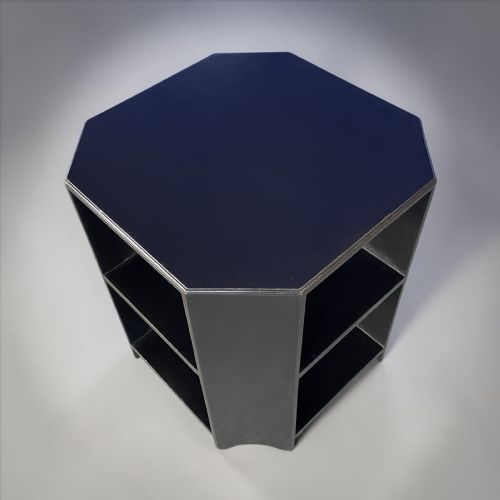


Geometric Accent Table
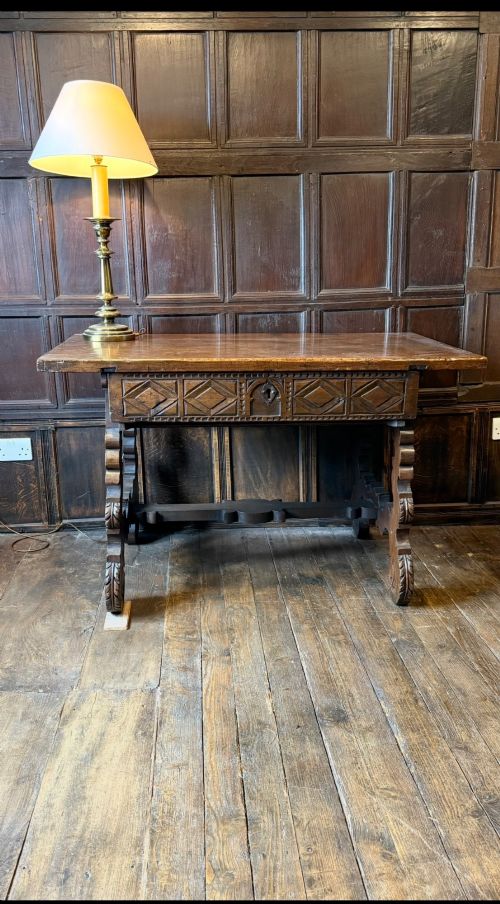
A geometric accent table brings pattern and practical surface space into a room, spanning periods from the seventeenth century through to Art Deco designs.
Geometric Accent Table
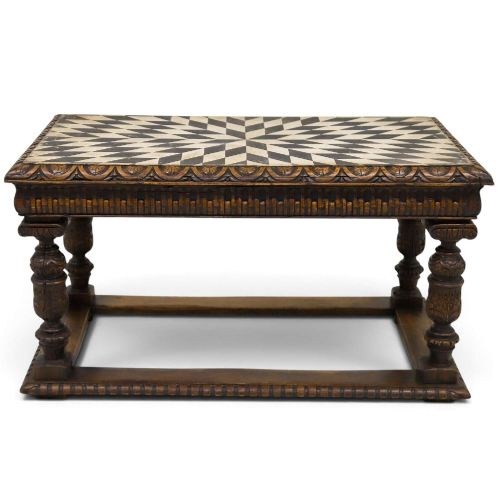
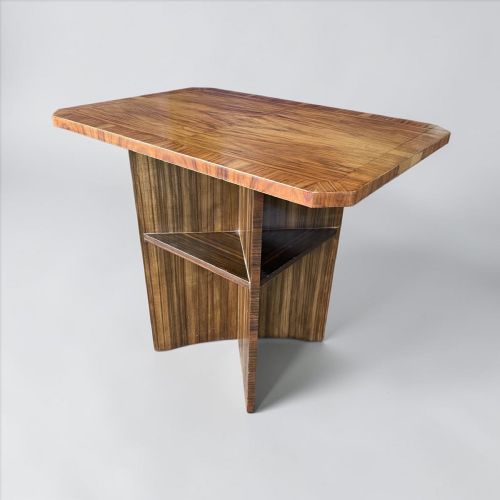
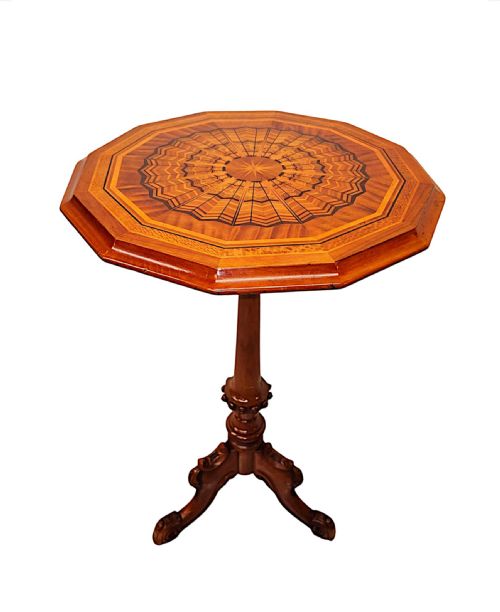
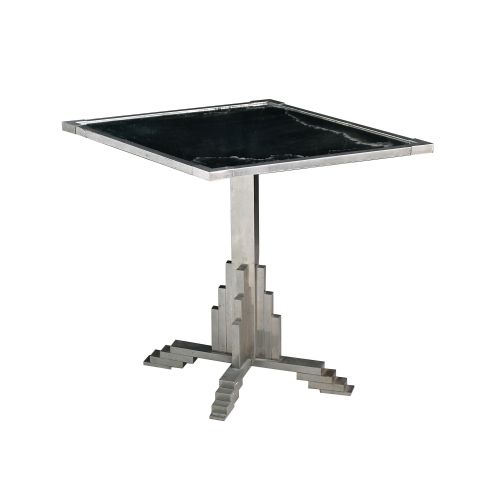
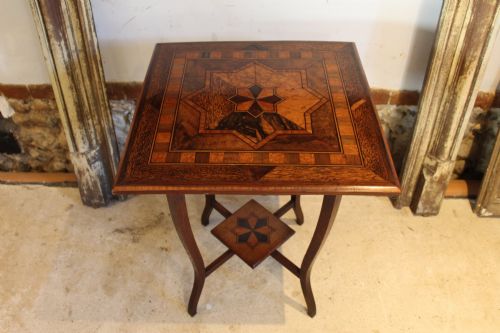
A geometric accent table covers small occasional pieces, side tables, and coffee tables built with patterned tops or structured forms. The selection ranges from nineteenth-century specimen wood marquetry to nineteen-thirties Art Deco designs in walnut, oak, and ebonised wood.
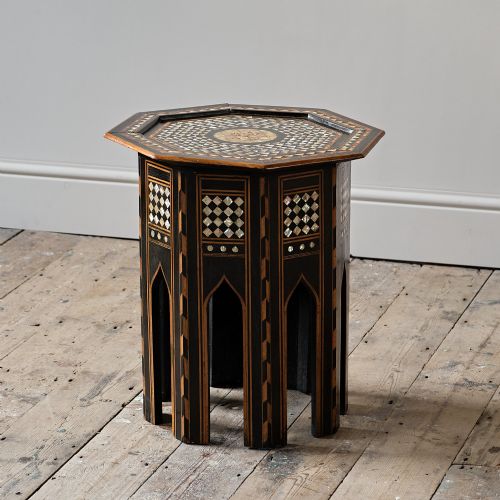
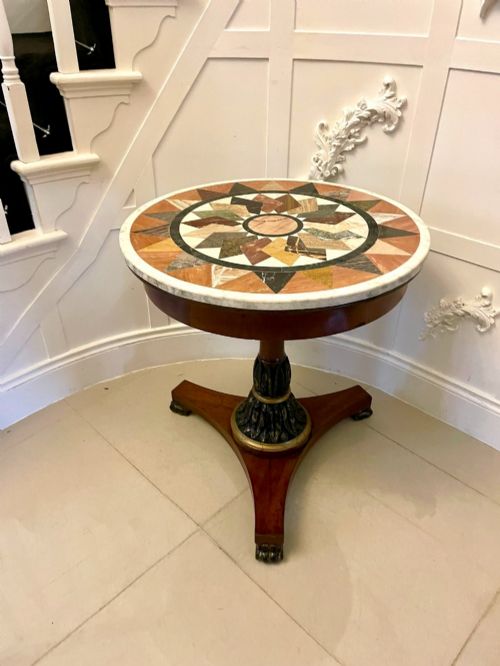
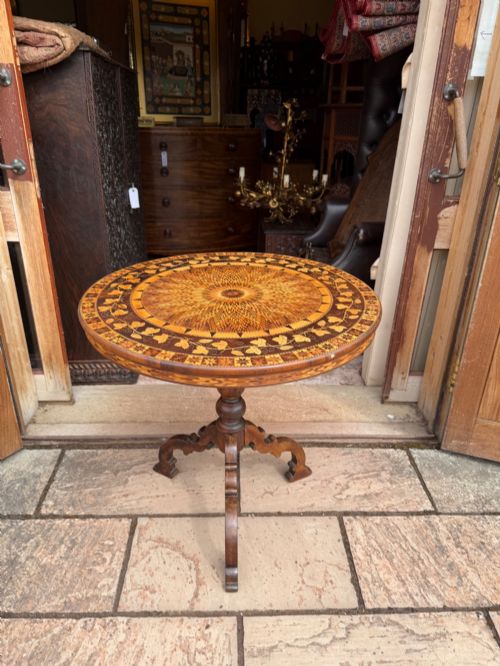
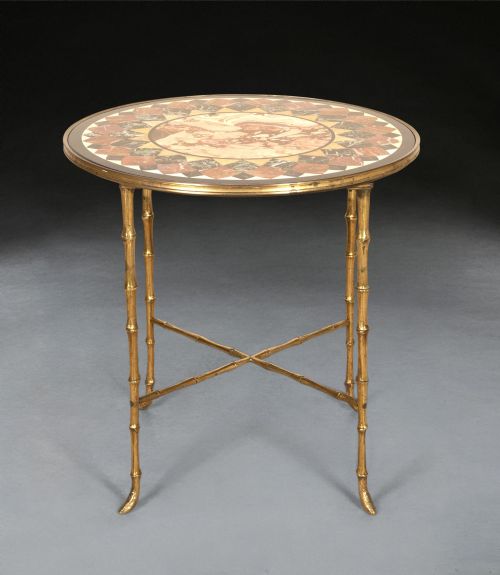
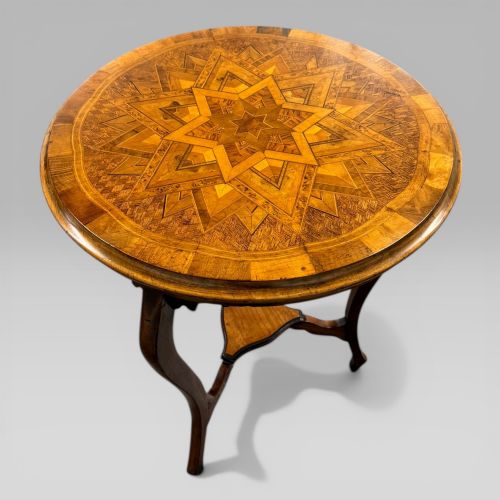
Buyers encounter octagonal occasional tables, hexagonal Moorish styles inlaid with mother of pearl and bone, and round tables featuring parquetry. These smaller items function easily beside seating or in hallways as decorative surfaces.
The materials and styles cross multiple decades, showing influences from Italian Sorrento work to Glasgow School Arts and Crafts. Pieces span various centuries, including examples from the Victorian era and the Edwardian period.
How they were made
Construction relies on timber frames combined with intricate surface decoration, utilising walnut, oak, mahogany, and ebonised wood. Marquetry and parquetry techniques build geometric motifs from contrasting timbers, stone, and specimen marbles.
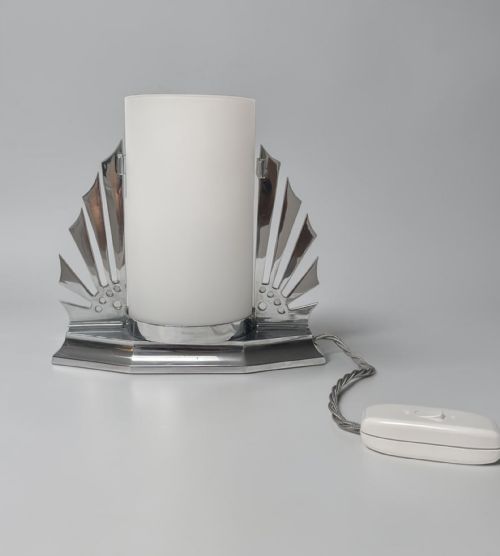
More elaborate examples incorporate mother of pearl, bone, and brass inlay into intricate hexagonal or octagonal tabletops. Metalwork appears in the form of cast iron bases and chrome fittings on later twentieth-century lighting and table designs.
Geometric Accent Table Retail Price Guide 2026
Typical asking prices for geometric accent table among the pieces listed under this phrase on Sellingantiques today, from the lower quarter to the upper quarter. They describe what is for sale here now, not the wider market.
Listings feature items from the seventeenth, nineteenth, and twentieth centuries, spanning Victorian, Edwardian, Arts and Crafts, and Art Deco styles.
What varies in quality
Quality shows in the precision of the surface inlay and the selection of timber veneers used for the geometric patterns. Fine marquetry demands exact alignment of diverse woods and specimen materials across complex table shapes.
Structural integrity of the base and the preservation of delicate surface details distinguish finer examples from standard production. The integration of materials like brass, glass, and inlaid shell dictates the overall refinement of the piece.
Gillows·Anton Seuffert·Hille·Muller Bros·Karl Palda
The Geometric Accent Table Glossary
- Marquetry
- The art of forming decorative patterns by fitting together small pieces of veneer, wood, shell, or bone. This technique creates detailed pictorial or geometric designs across tabletops.
- Parquetry
- A geometric mosaic of wood pieces used for decorative floors and tabletops. It relies on repeating angular shapes to form precise patterns.
- Specimen wood
- Furniture made from a collection of different native and exotic timbers, often displaying natural colours and grains. These woods form contrasting patterns on nineteenth-century tables.
- Occasional table
- A small, movable table designed for a specific, intermittent use rather than central placement in a room. These include side, lamp, and coffee tables.
Geometric Accent Table: Frequently Asked Questions
What defines a geometric accent table?
A geometric accent table is a small occasional, side, or coffee table characterised by patterned surface work like marquetry, parquetry, or multi-timber inlay. These pieces utilise structured shapes such as octagonal and hexagonal tops.
They appear across various periods, from seventeenth-century parquetry to nineteen-thirties Art Deco designs in walnut and oak.
How do I style a side table in a room?
These compact tables fit easily beside seating, in hallways, or as lamp surfaces where floor space is limited. Their patterned tops add visual interest without dominating the room.
Pairing a wooden or inlaid table with plain surroundings allows the geometric detail of the surface to stand out.
What materials were used for these tables?
Maker materials include walnut, oak, mahogany, and ebonised wood, often enhanced by walnut veneer. Surface decoration frequently incorporates specimen woods, marble, glass, brass, mother of pearl, and bone.
Some later twentieth-century examples also integrate chrome, cast iron, and celluloid.
How can I tell the period of a table?
Dating relies on combining the wood types, construction methods, and decorative style visible in the piece. Seventeenth and nineteenth-century examples often feature complex hand-cut parquetry and specimen wood marquetry.
Twenties and thirties pieces lean towards streamlined Art Deco forms, ebonised finishes, and geometric metal or mirrored elements.