
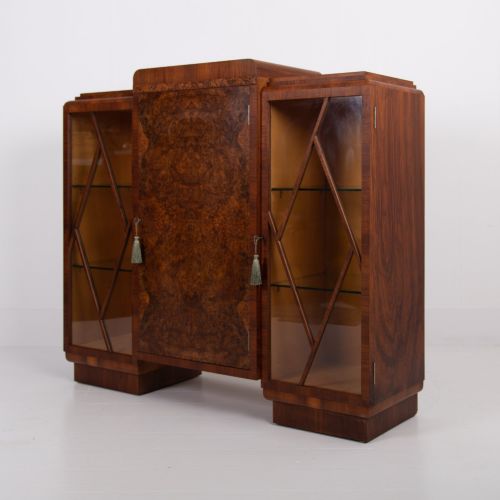


1930s Walnut Display Cupboard
A 1930s walnut display cupboard brings striking geometric timber figures and glazed display space to an interior.

1930s Walnut Display Cupboard
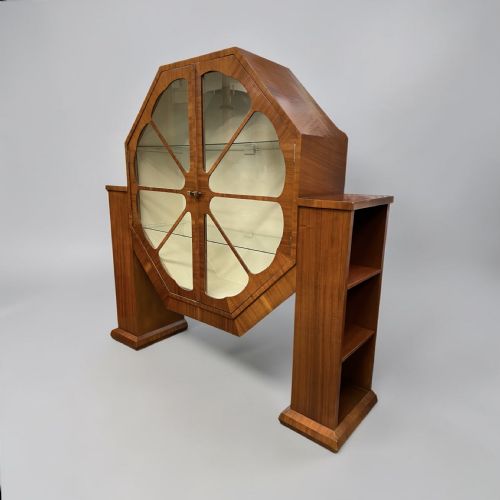
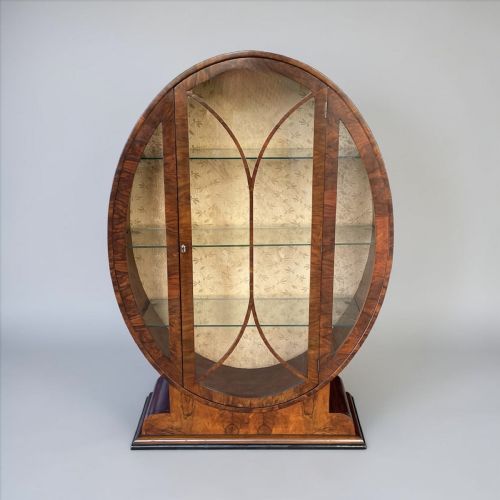
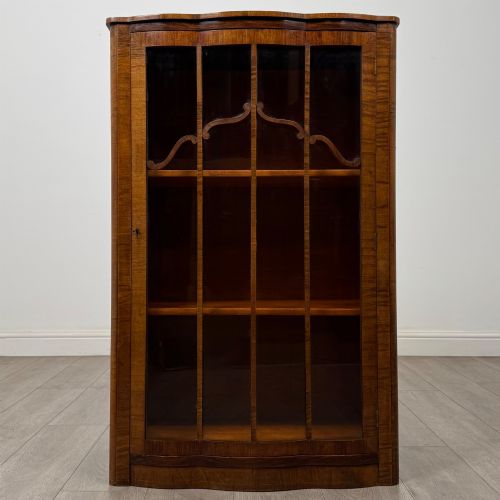
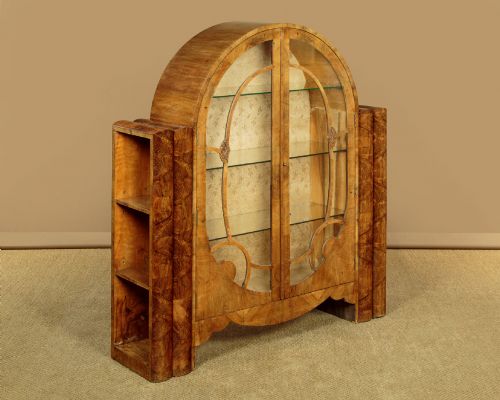
A 1930s walnut display cupboard primarily takes the form of an Art Deco cabinet, featuring glazed sections for showing objects alongside enclosed storage. The pieces listed span distinct geometric shapes, including circular, oval, hexagonal, octagonal, and clove forms, alongside standard corner and rectangular configurations.
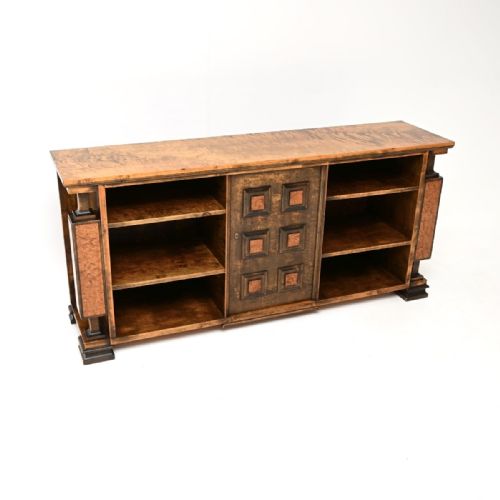
While the majority of pieces date strictly to 1930 and the surrounding decade, occasional Edwardian examples also appear. Timber varieties extend beyond plain walnut to include burr walnut, figured walnut, walnut veneer, maple, satin birch, and sycamore.
Makers such as Epstein and Rurka are represented among the listings, adding specific workshop provenance to the standard cabinet and bookcase forms. Buyers encounter various formats, from freestanding tall cabinets to cabinets on stands and specialised cocktail cabinets.
What varies in quality
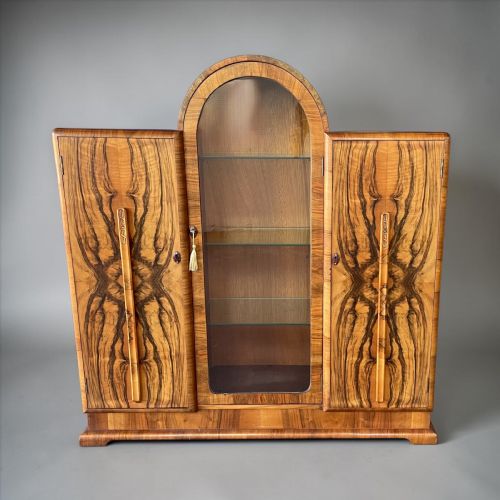
The sophistication of the timber veneer work dictates much of the visual distinction, with matched burr and figured walnut creating striking symmetrical patterns across the doors and panels. More ambitious geometric carcase shapes, such as circular, hexagonal, and octagonal forms, demonstrate higher levels of cabinet-making skill than standard rectangular cupboards.
Attribution to documented makers like Epstein or Rurka elevates the standing of a piece through known workshop execution. The integration of complementary secondary woods, such as satin birch or maple, and detailed brass hardware further separates standard production cabinets from superior examples.
Listings combine standard display cabinets and bookcases with specialised forms like cocktail cabinets, corner units, and cabinets on stands.
Rurka·Epstein
The 1930s Walnut Display Cupboard Glossary
- Burr walnut
- A decorative timber veneer harvested from the irregular growths on walnut trees, prized for its swirling grain patterns. It forms the primary visual finish on many prominent display cabinets.
- Art Deco
- The dominant design style of the 1930s, characterised by streamlined geometric shapes, symmetry, and modern industrial influences. This style governs the majority of the cabinet forms listed.
- Veneer
- A thin layer of superior wood glued to a stable core timber to provide decorative patterned surfaces without warping. Walnut veneer appears extensively across these cabinet exteriors.
- Cocktail cabinet
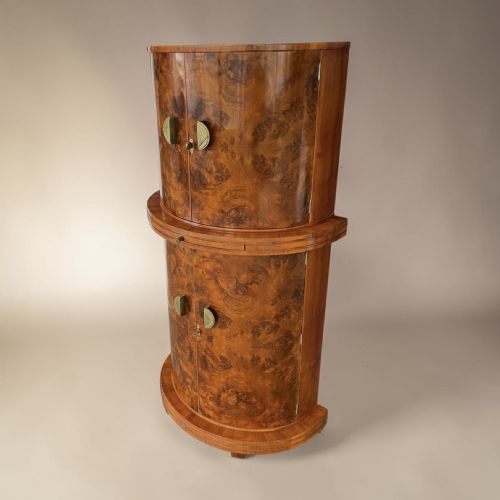
- A specialised form of storage furniture designed for entertaining, housing glassware and drinks behind fitted doors. Examples from the period integrate matching walnut veneers.
- Cabinet on stand
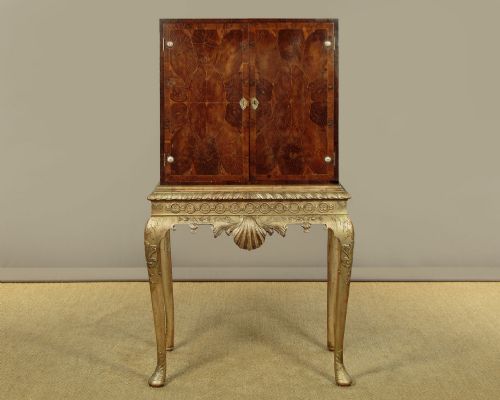
- A raised storage format where the main cupboard sits upon a distinct supporting base or frame. Pieces in this category sometimes incorporate contrasting finishes such as silver gilt.
1930s Walnut Display Cupboard: Frequently Asked Questions
What styles of 1930s walnut display cupboards exist?
The available pieces predominantly showcase Art Deco design, characterised by clean lines and distinct geometric silhouettes such as circles, hexagons, and octagons. Occasional Edwardian examples also surface, bringing earlier traditional cabinet forms into the mix alongside standard rectangular configurations.
Alongside standard display cabinets and bookcases, buyers encounter specialised furniture types including cocktail cabinets, corner units, and cabinets mounted on decorative stands.
Which woods are used in these cabinets?
Walnut is the primary timber, appearing both as solid wood and as highly figured walnut veneer or burr walnut. These decorative veneers create striking grain patterns across the doors and curved surfaces.
Secondary and contrasting woods also feature in the construction, including maple, satin birch, and sycamore. Metal elements such as brass appear in the hardware and fittings.
How do I identify a maker?
Certain pieces carry direct attribution to known workshops and makers from the period, such as Epstein or Rurka. These pieces often exhibit distinctive construction methods and high-grade timber selection.
Documentation or physical stamps within the cabinet structure typically confirm these workshop origins. Unattributed pieces rely entirely on their form, timber quality, and stylistic execution for identification.
Where should I place a circular cabinet?
Circular, oval, and multi-sided display cabinets function effectively as freestanding focal points within a room rather than sitting flush against flat walls. Their curved glass and timber profiles allow them to anchor room corners or open spaces.
Consider the lighting in the room to ensure the glazed display sections receive adequate illumination for showing items stored inside.