



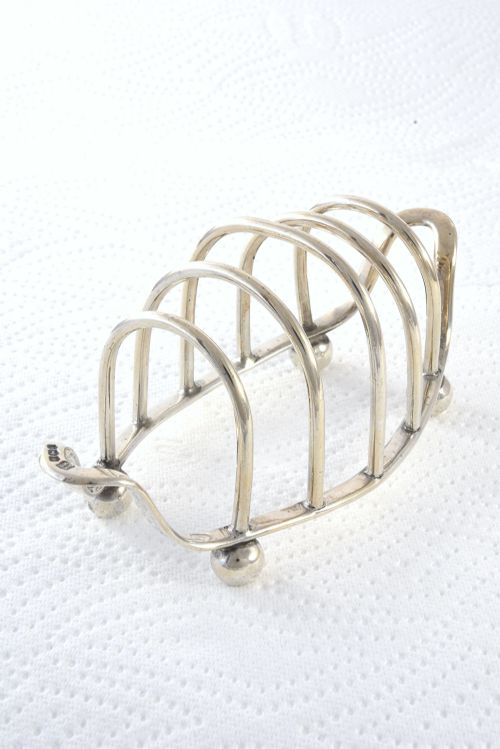


1930s Sterling Silver Tableware
1930s sterling silver tableware brings geometric styling and functional elegance to the table, offering durable British craftsmanship from an inventive design era.
1930s Sterling Silver Tableware
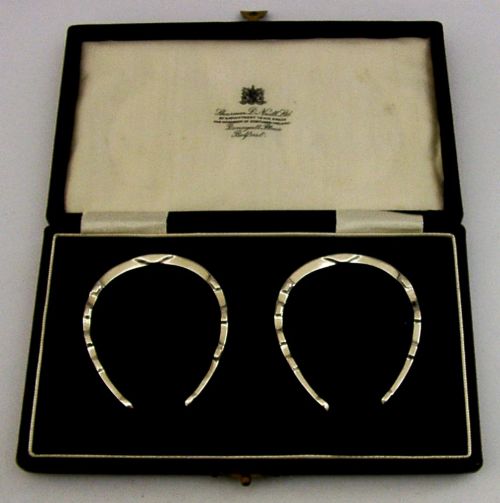
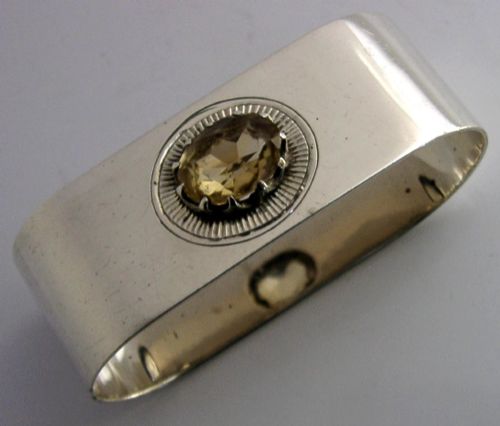
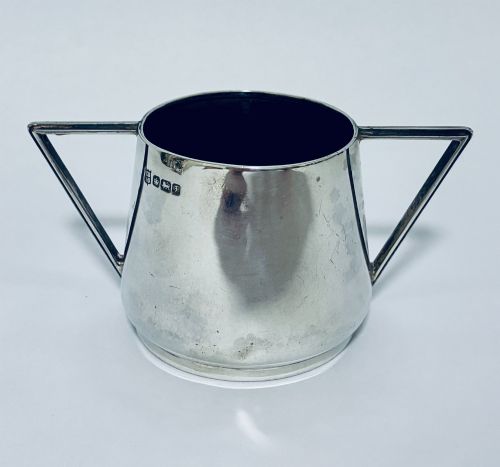
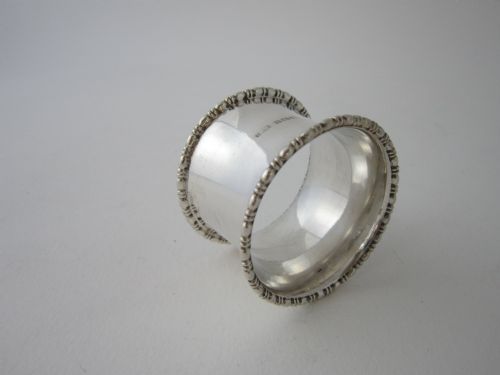
When you search for 1930s sterling silver tableware, you encounter a focused selection of dining accessories created during the reign of George V and George VI. These items include functional pieces for condiments, sugar, and toast alongside decorative napkin rings and menu holders.
The objects frequently display characteristic Art Deco geometry alongside traditional revival styles such as Georgian and Neoclassical. Napkin rings and condiment sets emerge as the most common forms, often appearing in fitted cases or matching pairs.
Makers utilise contrasting elements like glass liners within silver frames, creating functional items intended for formal dining tables. The pieces bridge interwar modernity with enduring utilitarian forms.
Materials and construction methods
The primary material is solid sterling silver, frequently paired with fitted glass liners in items like dessert dishes and condiment sets. Associated materials include silk, velvet, satin, and leatherette found inside original presentation cases.
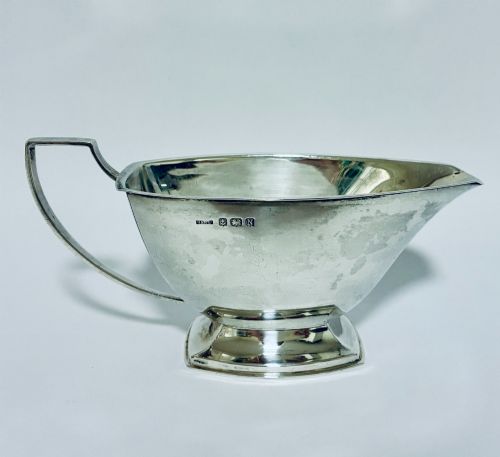
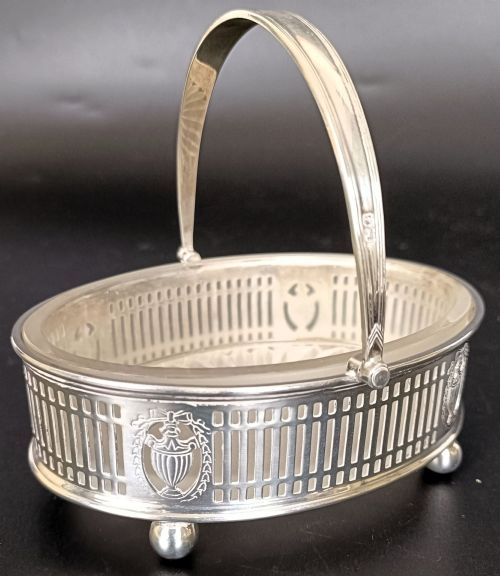
Silversmiths employed techniques such as casting, piercing, and hammering to shape sauce boats, sugar casters, and swing-handled baskets. Hallmarks stamped directly onto the silver record the assay office, maker's mark, and exact year of production.
Listings feature sterling silver items from the 1920s, 1930s, and 1940s, incorporating materials such as citrine, glass, and leatherette.
Distinctions in quality and execution
Quality rests upon the weight of the silver, the crispness of the hallmark stamps, and the integrity of any associated components like glass liners. Substantial gauge silver resists denting and retains sharper decorative lines.
Pieces bearing the marks of known makers demonstrate superior finishing and more refined geometric proportions than unmarked or utilitarian work. Complete sets housed in original fitted cases command greater interest than solitary items.
William Neale·Barker Brothers·Viners·Mappin & Webb·Henry Wilkinson
The 1930s Sterling Silver Tableware Glossary
- Sterling silver
- An alloy containing 92.5 percent silver and 7.5 percent other metals, usually copper, chosen for durability in tableware. This standard has governed British silver production for centuries.
- Art Deco
- A design style characterised by sleek geometric shapes, streamlined forms, and stylized motifs popular during the interwar period. It heavily influences the condiment sets and bowls of this era.
- Condiment set
- A matched grouping of small containers for salt, pepper, and mustard, often accompanied by miniature spoons. These sets sit on dining tables for individual seasoning.
- Sugar caster
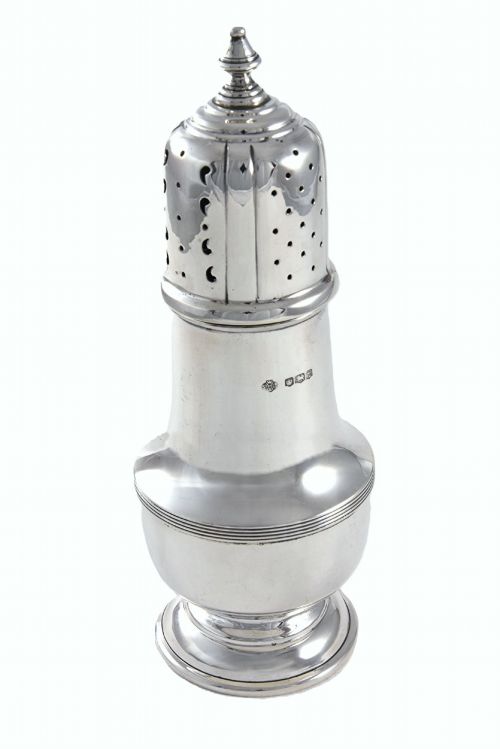
- A perforated vessel used for sprinkling sugar over food, featuring a removable pierced top secured by a bayonet or screw fitting. They frequently appear in domestic silver services.
- Hallmark
- A series of official marks stamped on precious metals indicating the standard of purity, assay office, and year of making. British silver relies on these stamps for definitive dating.
1930s Sterling Silver Tableware: Frequently Asked Questions
Are these silver items safe for daily use?
Most solid silver tableware remains entirely functional for modern dining, provided you wash items by hand rather than using a dishwasher. Acidic foods should not be left in contact with silver for extended periods.
Glass-lined pieces require careful handling when removing and cleaning the inner vessels. Regular gentle use actually helps prevent tarnish accumulation on prominent surfaces.
How can I date my silver piece accurately?
Examine the stamped hallmarks to locate the date letter, which corresponds to specific assay office records for the year of manufacture. King George V and George VI reign marks also provide broad chronological boundaries.
Design motifs such as strict Art Deco geometry versus Georgian Revival styles help narrow down the decade of production. Maker marks further assist by linking the piece to active workshop years.
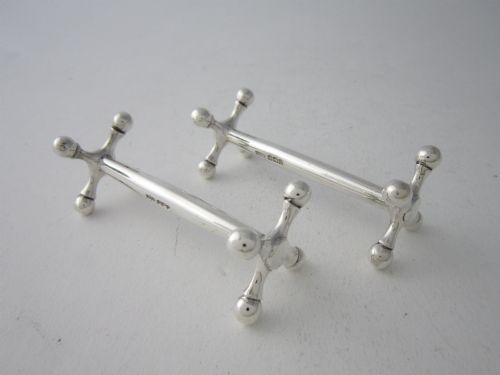
What is the purpose of a knife rest?
Knife rests keep carving or dining knives elevated above the tablecloth between courses, preventing grease or sauces from soiling the linen. They are typically placed in pairs beside each setting.
Interwar examples often feature weighted ends shaped as animals or geometric bars. They reflect the formal dining customs of the period.