


Antique British Silverware
Antique british silverware spans centuries of domestic and ceremonial service, offering functional objects that anchor a traditional dining table.
Antique British Silverware
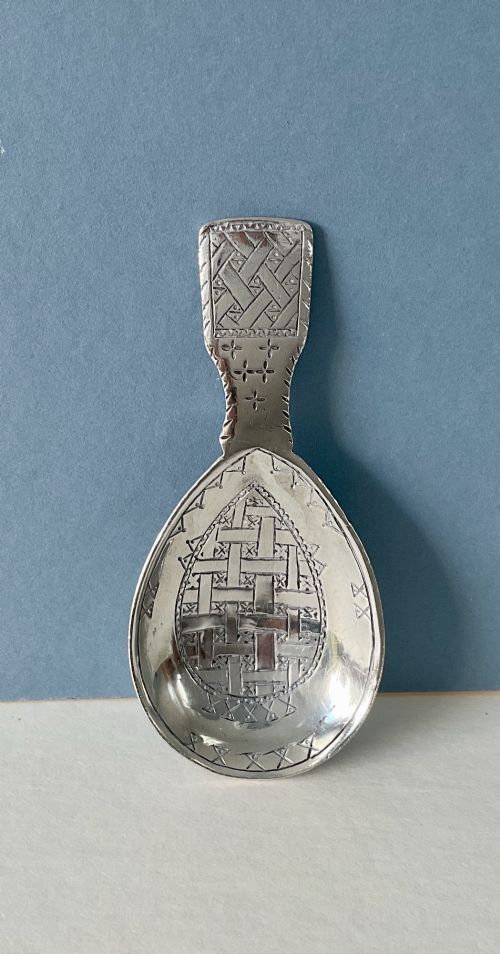
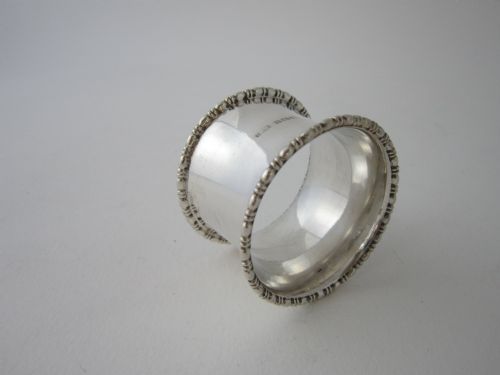
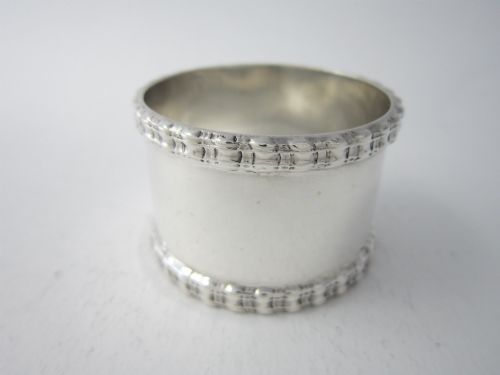
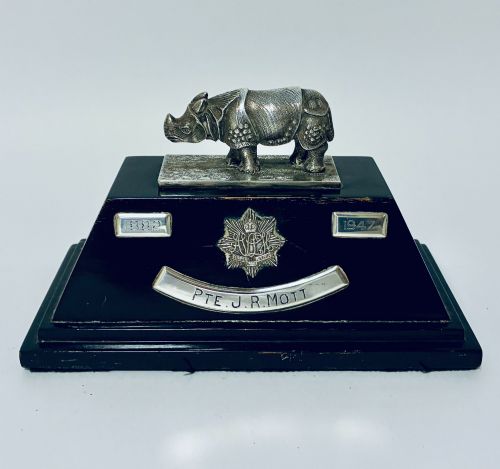
When you search for antique british silverware, you are examining domestic and decorative items forged across multiple periods from the Georgian era through to the mid twentieth century. These domestic vessels and implements include flatware, caddy spoons, napkin rings, sugar baskets, and presentation trophies.
The versions most likely to meet you on this page range from Victorian tableware and Edwardian napkin rings to Arts and Crafts caddy spoons. Formats shift from functional tea service items to military campaign cutlery sets and colonial presentation pieces.
Geographic and temporal origins vary widely, drawing on Georgian craftsmanship, Victorian manufacturing, and specific regional workshops. Each piece carries the stylistic markers of its decade, whether that is the restraint of early periods or the ornate detailing of later Victorian output.
Materials and Construction
The primary material across these pieces is sterling silver or standard silver, often combined with complementary substances for utility and contrast. Certain items incorporate ebonised wood for handles, natural horn, or steel components in functional cutlery sets.
Manufacturing methods rely on traditional silversmithing techniques, encompassing hand-beating, casting, and piercing. Workshops utilised these established procedures to shape heavy gauge metal into durable domestic objects.
Listings span periods from the Georgian era through Victorian, Edwardian, and George V reigns up to the nineteen forties.
Assessing Quality and Execution
Quality in these items rests upon the weight of the metal and the crispness of the chasing or piercing work. Substantial gauge silver provides structural integrity and maintains its form through generations of handling.
Maker attribution and decorative ambition further separate standard utility items from distinguished presentation pieces. Pieces bearing clear marks from established makers demonstrate superior finishing in hinges, rims, and engraved details.
Liberty·Mappin and Webb·Walter and John Barnard
The Antique British Silverware Glossary
- Sterling silver
- A silver alloy containing 92.5 percent pure silver by mass and 7.5 percent other metals, usually copper. This standard provides the necessary hardness for domestic tableware and functional items.
- Caddy spoon
- A short-handled spoon specifically designed for measuring tea leaves from a caddy into a teapot. These small implements often feature decorative bowls and handles reflecting the style of their period.
- Sugar basket
- An openwork or solid vessel intended to hold sugar lumps or loose sugar on the tea table. They frequently incorporate swing handles and blue glass liners.
- Presentation trophy
- A commemorative vessel awarded for achievement, often inscribed with military or civic details. These items showcase more ambitious sculptural work and detailed engraving than standard domestic silver.
Antique British Silverware: Frequently Asked Questions
How do I date antique silver?
Dating relies on reading the hallmarks stamped directly into the metal, which typically include symbols for the assay office, the maker, and a date letter.
Comparing these punches against standard reference tables reveals the exact year and location of manufacture.
How were caddy spoons used?
These small spoons measured out precious tea leaves from storage containers into the pot during formal tea preparation.
Their varied bowl shapes and short handles suited the confined spaces of traditional tea caddies.
What is campaign cutlery?
Campaign cutlery sets were manufactured for officers on military deployment or travel during the eighteenth and nineteenth centuries.
They often feature folding mechanisms or compact nesting designs to fit portable storage cases.
How should I clean silver?
Maintenance requires gentle washing with mild soap and warm water, followed by thorough drying with a soft cloth.
Avoid aggressive chemical dips that can strip away the natural patina accumulated over decades.