





1930s Spelter Figurine
These 1930s spelter figurine examples bring distinct Art Deco movement and character to a room through French metalwork.
1930s Spelter Figurine
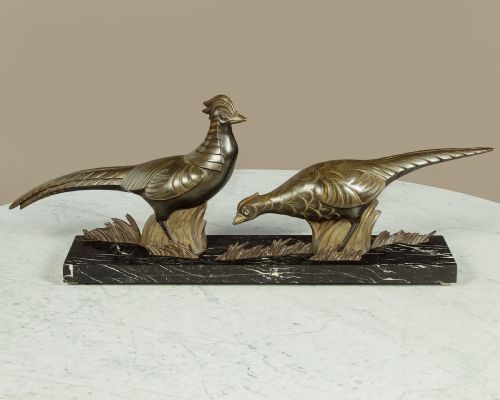
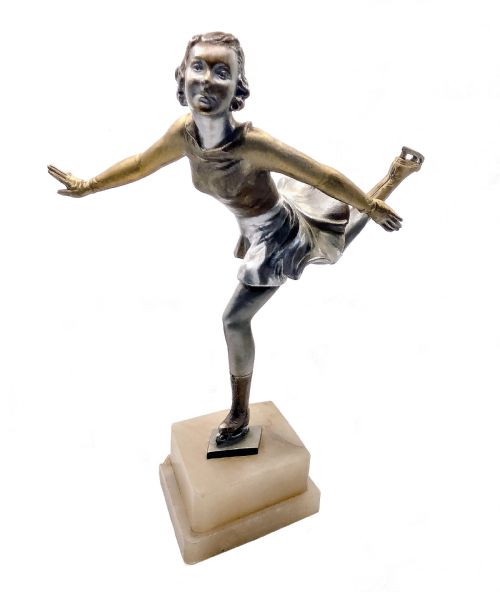
A 1930s spelter figurine captures the sleek dynamism of the interwar period, most commonly taking the form of dancers, athletes, animals, or figural lamps. When exploring 1930s spelter figurine selections, buyers encounter representations of human figures alongside animals such as panthers, stags, deer, and pheasants. These pieces embody the defining Art Deco aesthetic through stylised lines and energetic postures.
The objects frequently function as standalone sculptures, table lamps, or figural table lighters, often mounted on substantial foundations. Most originate from French workshops of the era, reflecting a strong Continental influence in their design and execution. The typical 1930s spelter figurine sits firmly within this decorative sculpture tradition.
Materials and construction
Makers cast these pieces using spelter, an inexpensive alloy of zinc and lead, which allowed for intricate detail without the high cost of bronze. This metal took cold paint finishes and patination readily, creating the colourful or darkened surfaces characteristic of the period. Artisans frequently applied these surface treatments by hand.
To provide stability and visual contrast, manufacturers mounted the metal castings onto heavy bases made of marble, onyx, or alabaster. Glass elements occasionally appear in functional pieces such as lamps, complementing the metallic figures. The combination of patinated metal and stone foundations remains a hallmark of the technique.
Among the dancers and athletes, an accordion-playing Pierrot night light glows to keep the shadows at bay.
Variations in quality
The integration of the figure with its stone base also indicates the standard of manufacture, with finer items featuring well-fitted, high-grade marble or onyx mounts. Signed works by notable modellers generally exhibit superior artistry and anatomical precision compared to unsigned mass-market productions. The weight and stability of the entire composition complete the assessment.
Josef Lorenzl·Geo Maxim·Chiparus
The 1930s Spelter Figurine Glossary
- Spelter
- A zinc alloy commonly utilised as a substitute for bronze in decorative figures. It provides a lighter and more malleable medium for casting detailed forms.
- Art Deco
- A design style spanning the 1920s and 1930s characterised by streamlined shapes, geometric patterns, and dynamic movement. It influences the posture and clothing of nearly all figures from this era.
- Patinated metal
- A chemically or manually treated metal surface that darkens or alters the colour of the base material. This treatment adds depth and simulates the appearance of aged bronze.
- Onyx
- A banded variety of chalcedony frequently utilised for heavy decorative bases. Its variegated patterns complement the metallic tones of the figures.
1930s Spelter Figurine: Frequently Asked Questions
What is spelter?
Spelter is a zinc-based alloy that makers used widely during the early twentieth century as a cost-effective alternative to bronze. It allowed workshops to cast intricate decorative sculptures with fine detail.
The metal takes patination and cold paint finishes exceptionally well, though it is softer and lighter than genuine bronze.
How do I clean a figurine?
Dust these figures gently with a soft, dry cloth to prevent any accumulation from dulling the surface finish. Avoid all water, chemical solvents, and abrasive cleaners, as these can strip away the delicate cold paint or patination.
Take particular care around the painted areas, applying minimal pressure to preserve the original decorative layers.
Are these pieces French?
Many examples originating from this era were produced in France, reflecting the dominant aesthetic of the Parisian art workshops. French foundry work during this period set the standard for figural sculpture and lamp design.
Signatures or foundry marks on the base often indicate this Continental origin.
Why are they on stone bases?
Spelter is a relatively light metal, so heavy bases made from marble, onyx, or alabaster provide necessary stability for the taller sculptures and lamps. These dense stones prevent the top-heavy figures from tipping over.
They also create a visual contrast that enhances the Art Deco appearance of the composition.