






Vintage Metal Lady Sculpture
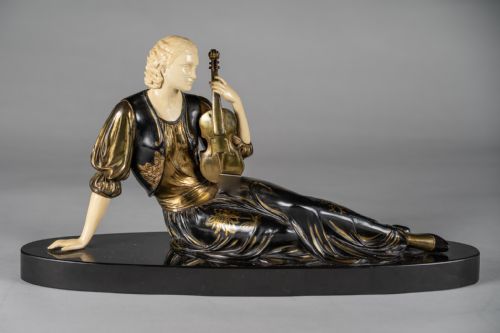
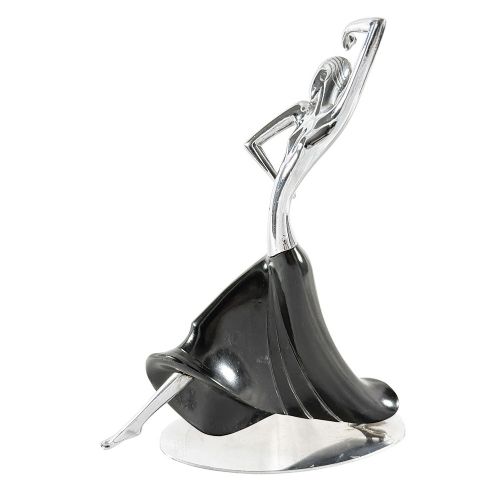
These vintage metal lady sculpture pieces bring energetic Art Deco movement and nineteenth-century character into a room.
Vintage Metal Lady Sculpture
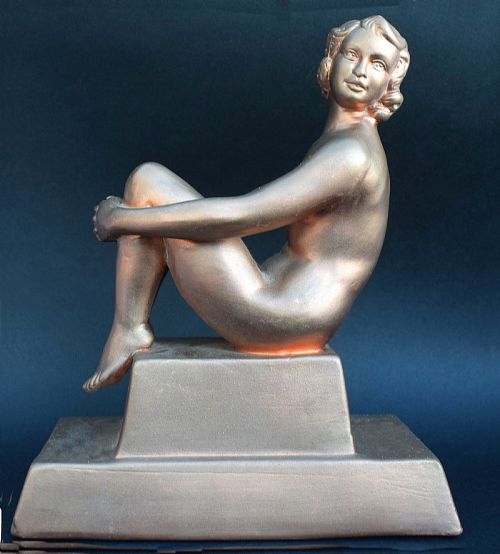
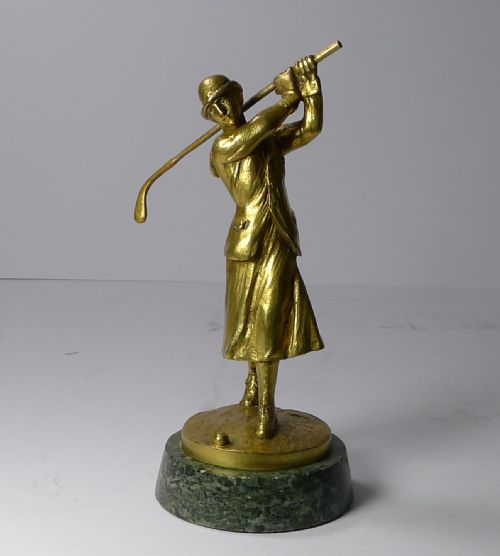
When you search for a vintage metal lady sculpture, you are looking at figures of women created during the Art Deco period and the nineteenth century. Most examples on this page date from the 1920s and 1930s, capturing female figures in dynamic poses such as dancing or sitting.
The forms range from full-length studies of female nudes and dancers to car mascots and figural companions involving animals like swans. French origins appear frequently among these pieces, alongside works influenced by specific European design styles of the era.
Object types span simple shelf sculptures to mounted pieces incorporating functional items like hand mirrors. You will encounter freestanding figures as well as those integrated with architectural bases.
How they were made
Foundry work relied heavily on spelter and bronze to cast the main bodies of these female figures. Spelter served as an economical alternative for shaping detailed limbs and drapery during the interwar decades.
Makers finished these cast metal surfaces with patination, paint, or chrome plating to alter the sheen and texture of the metal. Bases were frequently constructed from contrasting materials such as marble, onyx, alabaster, glass, and wood to anchor the weight of the sculpture.
Vintage Metal Lady Sculpture Retail Price Guide 2026
Typical asking prices for vintage metal lady sculpture among the pieces listed under this phrase on Sellingantiques today, from the lower quarter to the upper quarter. They describe what is for sale here now, not the wider market.
Listings on this site span the nineteenth century up to the 1930s, utilising materials like chrome, spelter, marble, and onyx.
What varies in quality
The refinement of the casting defines the upper tier of these sculptures, where facial expressions and musculature remain crisp and clear. Weaker examples show softening in the metal details, often resulting from worn or derivative moulds.
The choice of secondary materials marks a distinct division in overall execution. Pieces that pair patinated metal with solid marble or onyx bases demonstrate greater ambition than those relying on simpler wooden mounts.
Geo Maxim·Jose Dunach·J C De Blezer
The Vintage Metal Lady Sculpture Glossary
- Spelter
- A zinc-based alloy commonly used in European manufacturing as a substitute for bronze. It accepts patination well but requires careful handling due to its relative softness.
- Patinated metal
- Metal treated with chemicals or heat to produce a coloured oxide surface layer. This finish protects the underlying alloy while adding depth to the visual contours.
- Car mascot
- A sculptural ornament mounted on the radiator cap of a motor car. Many smaller metal figures from the 1920s originated in this context before moving to interior display.
- Art Deco
- The dominant design style of the 1920s and 1930s characterised by streamlined geometric forms and dynamic depictions of movement. It informs the majority of figures seen here.
Vintage Metal Lady Sculpture: Frequently Asked Questions
What are vintage metal lady sculptures made of?
These sculptures are primarily cast from spelter and bronze, utilising metallic alloys suited to detailed foundry work.
Makers frequently mounted the figures onto heavy bases made of marble, onyx, alabaster, or wood to provide stability.
Where were these sculptures made?
A significant portion of these figures originates from French workshops and foundries operating during the early twentieth century.
Continental European designers and sculptors produced many of the distinct dancing and sporting poses associated with the period.
How do I date a metal figure?
Dating relies heavily on the stylistic markers of the Art Deco movement, typically pointing to the 1920s and 1930s.
Materials such as chrome plating and specific types of marble bases help distinguish interwar manufacturing from nineteenth-century work.
How should I display them?
These figures suit placement on mantelpieces, desks, or dedicated display shelves where adequate lighting highlights the metal finish.
Because many include integrated stone bases, placing them on sturdy, level furniture ensures safe exhibition.