


1930s Gold Watch
A 1930s gold watch captures the geometric elegance of the Art Deco era while offering reliable mechanical timekeeping for daily wear.
1930s Gold Watch
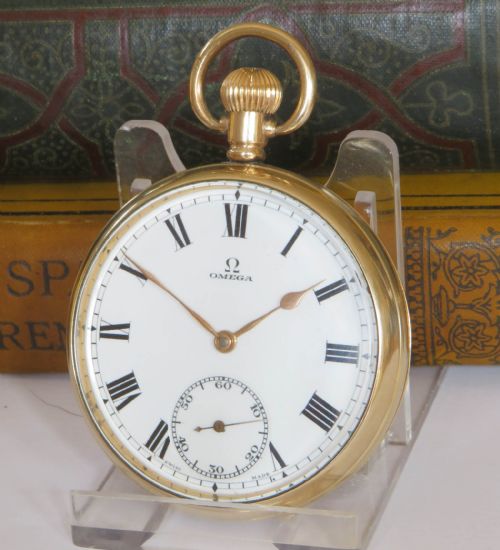
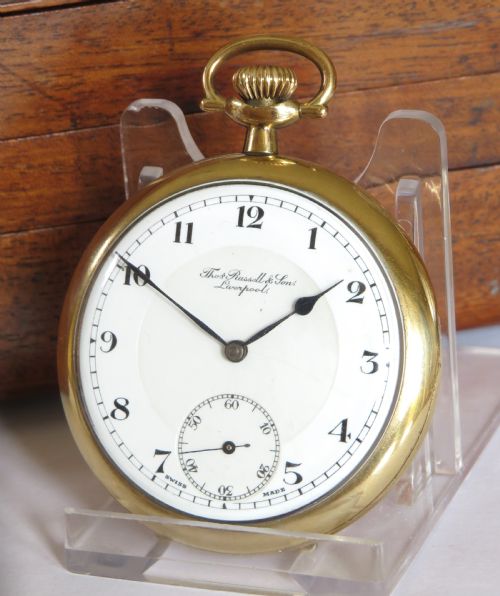
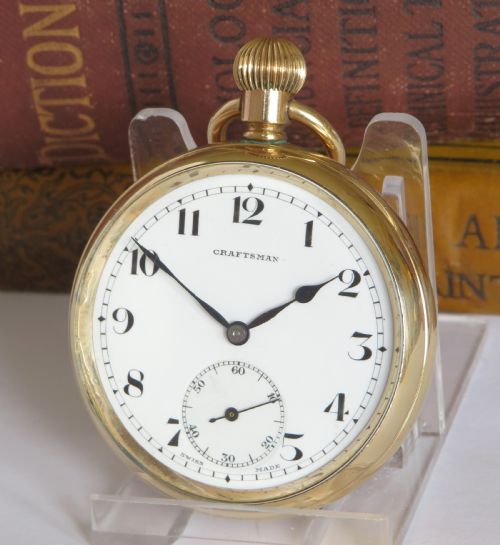
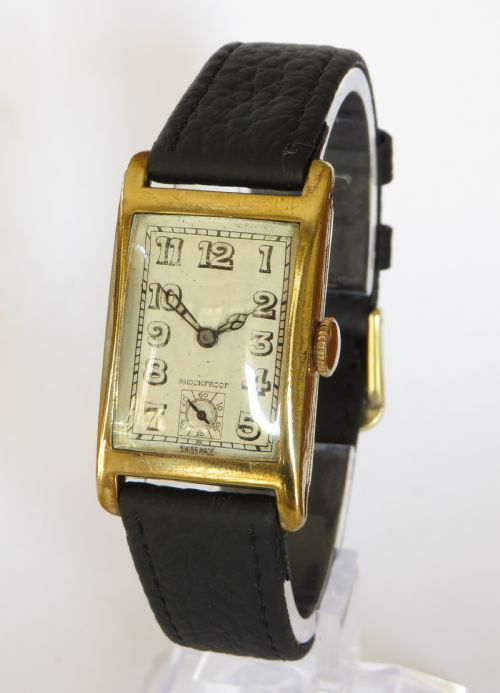
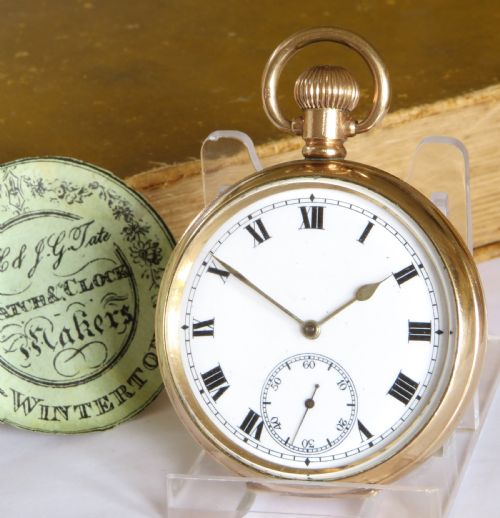
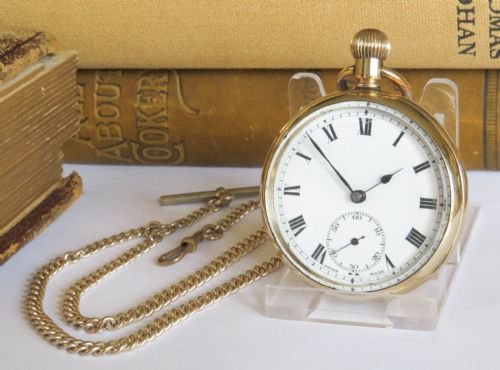
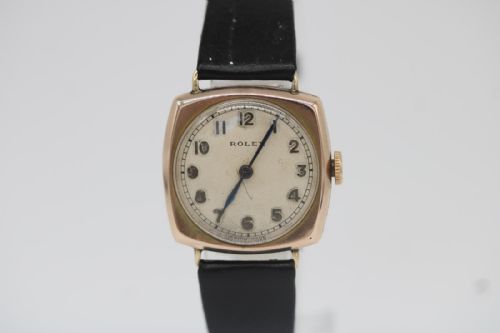
A 1930s gold watch encompasses both gentleman's pocket watches and wristwatches, alongside ladies' cocktail watches set with diamonds and platinum. These timepieces display distinct geometric designs, rectangular or cushion cases, and clean Arabic or Roman numerals characteristic of the period.
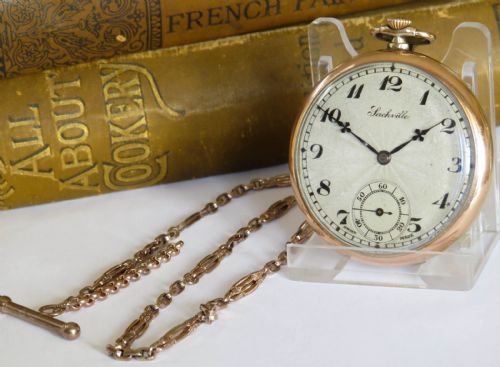
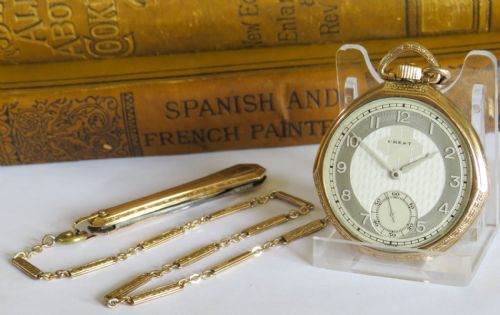
Pocket watches from this decade frequently appear alongside matching chains, albert chains, and fobs, while wristwatches utilise leather straps or integrated metal mesh bracelets. Many examples feature gold plate, rolled gold, or solid gold casings in yellow, rose, or white variations.
Materials and construction
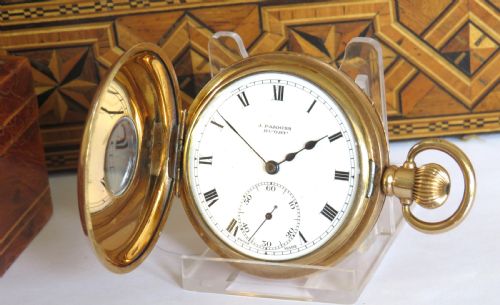
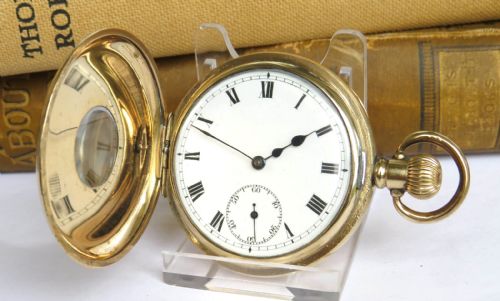
Casing techniques involved intricate engraving on pocket watch covers, such as half hunter designs, alongside the streamlined rectangular geometry typical of Art Deco wristwatches.
Listings feature prominent Swiss and British makers alongside precious metal variations including rose gold, white gold, and platinum.
Evaluating craftsmanship and materials
The distinction between standard commercial pieces and superior examples rests upon the complexity of the manual wind movement and the purity of the metal casing, ranging from gold plate to solid nine-carat or eighteen-carat gold. High-tier items often incorporate precious gemstone embellishments, such as diamonds set into platinum and white gold cocktail watch mountings.
Refinement in dial legibility, case engraving detail, and the inclusion of matching accessories like chains and fobs further separate basic utility timepieces from fine collector pieces.
Thomas Russell and Son·Tavannes·Revue·Rotary·Rolex·Limit·Record·Consul·H Samuel·Tissot·Bulova·Elgin·Pierce·Waltham·J W Benson·Vertex·Ritex·Buren Eldis
The 1930s Gold Watch Glossary
- Manual wind
- A mechanical watch movement that requires daily hand-winding via the crown to tension the mainspring. This mechanism powers the watch without the need for batteries.
- Half hunter
- A pocket watch case featuring a solid metal outer cover with a glass-centred aperture. This design allows the wearer to read the hands without opening the front cover.
- Cocktail watch
- A decorative ladies' wristwatch designed for formal evening wear. These pieces frequently incorporate diamonds, platinum, and intricate white gold mesh bracelets.
- Rolled gold
- A manufacturing method where a layer of solid gold is mechanically bonded to a base metal core. This provides the appearance and durability of gold at a lower material cost.
- Albert chain
- A short watch chain designed to secure a pocket watch to a waistcoat or jacket buttonhole. It is often paired with decorative fobs.
1930s Gold Watch: Frequently Asked Questions
How do I wind a manual watch?
Gently rotate the crown between your thumb and forefinger clockwise until you feel light resistance. Avoid forcing the crown once tension builds to prevent damaging the internal spring.
Perform this action at a consistent time each day if you wear the watch regularly. This maintains steady tension on the mainspring for accurate timekeeping.
Can I wear a vintage wristwatch daily?
Many mechanical timepieces from this era function reliably for everyday wear if handled with care. Keep them away from water and magnetic fields to preserve the vintage internal components.
Because these pieces rely on delicate manual wind movements, periodic servicing by a horologist ensures longevity. Treat the watch gently during daily adjustment and winding.
What defines Art Deco watch design?
Art Deco watch design relies on geometric symmetry, clean lines, and streamlined rectangular or cushion-shaped cases. Dials frequently feature stylised numerals and precise minute tracks.
Makers enhanced these architectural forms using contrasting white gold, yellow gold, and platinum settings. Diamond accents and engraved bezels further characterise the aesthetic of the period.