




1930s Glass Mirror
A 1930s glass mirror brings geometric clarity and reflective depth to a room, offering the unmistakable glamour of the period.
1930s Glass Mirror
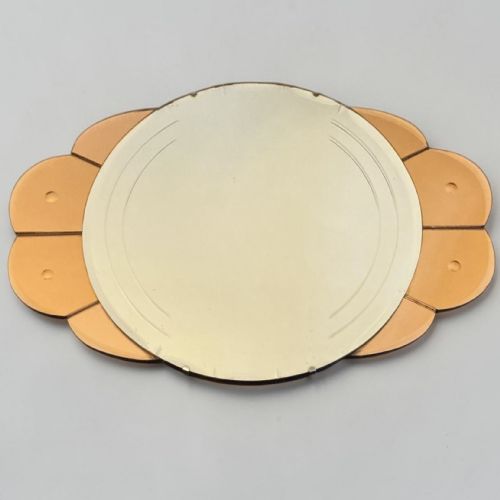
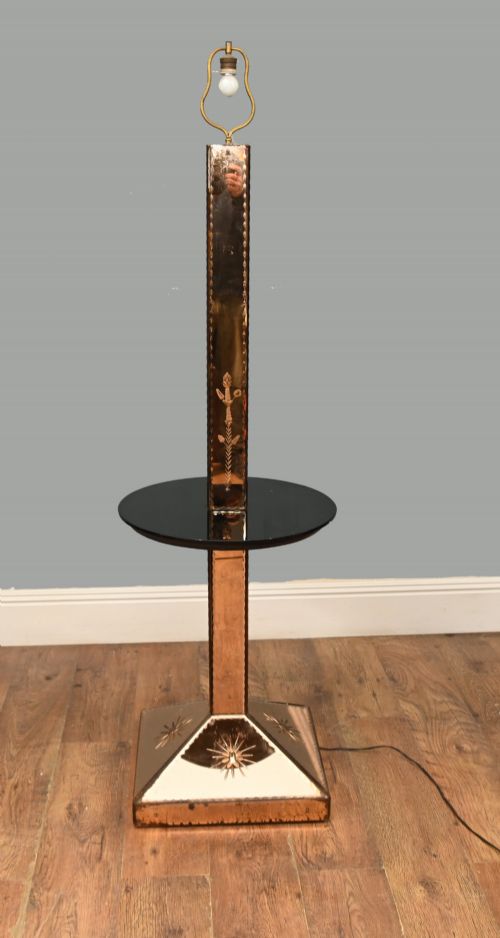
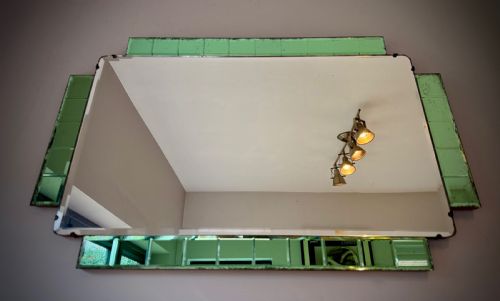
A 1930s glass mirror typically takes the form of a wall-mounted glass piece, often incorporating bevelled edges and coloured glass panels in peach, green, or blue hues. These objects emerge primarily from the Art Deco style, alongside French interpretations and Venetian influences.
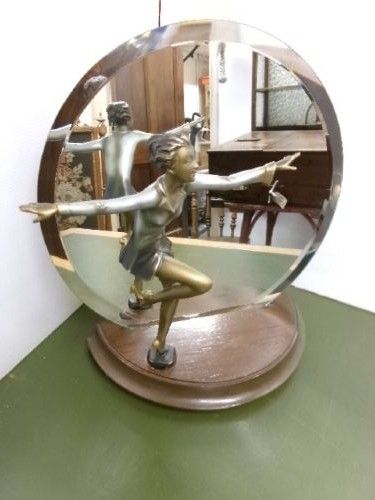
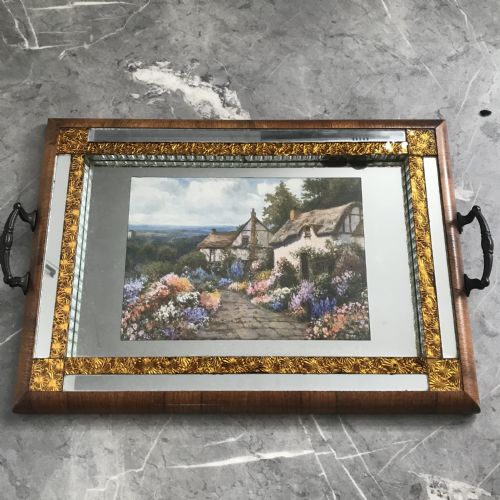
Beyond standard wall mirrors, the selection spans mantel clocks, dressing tables, trays, and fire screens that utilise mirrored glass as a primary decorative surface. Pieces range from circular and diamond geometries to large overmantel formats designed to anchor a room.
Originating predominantly from the interwar decades, these items capture the shifting design vocabulary of the early twentieth century. Buyers encounter both frameless geometric constructions and examples set within brass, chrome, or carved wooden frames.
How they were made
Makers constructed these pieces by combining mirrored glass and regular glass with structural elements of metal, brass, chrome, and wood such as walnut and mahogany. Metal fixtures and copper handles frequently secure or accent the reflective panels.
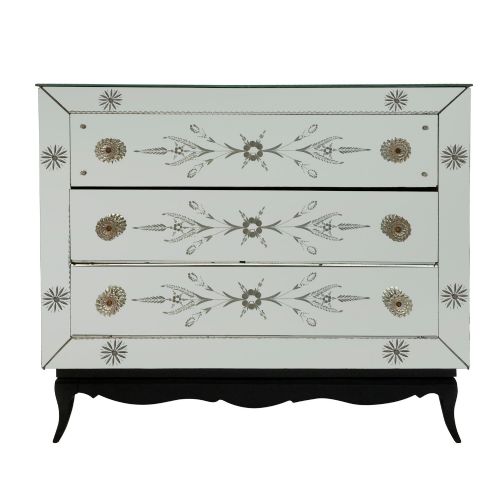
Techniques involve precise bevelising of mirror plates, acid-etching of surface patterns, and the integration of coloured glass panels. Frames are assembled from cast metals or carved wood, sometimes incorporating silvered finishes to complement the glass.
Certain clocks combine timekeeping with mirrored surfaces, ensuring one checks the hour while simultaneously admiring their own reflection.
What varies in quality
The distinction between tiers rests upon the complexity of the glasswork, such as multi-tone tinted panels, intricate etching, and substantial bevelled edges. Superior examples display cohesive integration between the mirror glass and supportive metal or wooden framing.
Original mechanics and subsidiary materials, including period clock movements, genuine brass fittings, and specific wood veneers like walnut, elevate a piece. The crispness of the geometric assembly and the retention of original tinted or peach glass panels dictate the standing of the work.
The 1930s Glass Mirror Glossary
- Bevel
- An angled edge cut along the perimeter of the glass plate. This process refracts light and adds dimensional depth to the mirror surface.
- Overmantel
- A large mirror format specifically proportioned to hang above a fireplace mantel. These pieces often stretch horizontally to balance the hearth below.
- Foxed
- The natural ageing of the reflective silver backing behind the glass. This chemical oxidation creates characteristic dark spots and soft patches across the mirror.
- Girandole
- A decorative wall mirror fitted with attached candle branches or light sconces. The reflective glass multiplies the illumination from the central light source.
1930s Glass Mirror: Frequently Asked Questions
How do I clean a vintage mirror?
Wipe the surface gently with a soft cloth dampened in lukewarm water or a mild, ammonia-free glass cleaner. Avoid spraying liquid directly onto the glass to prevent moisture seeping behind the silvered backing.
Take particular care around the edges and areas where foxing has occurred. Harsh chemicals can accelerate the degradation of the original mirror plate.
Where should I hang an overmantel mirror?
Position the piece centrally above the fireplace mantel, ensuring adequate clearance from the heat source. Secure the hanging wire or brackets firmly to wall studs to support the substantial weight.
Consider the reflection angle from opposite windows to maximise natural light in the room. Height placement should relate to surrounding furniture proportions rather than standard eye level alone.
What defines Art Deco glass design?
Art Deco glass relies on bold geometric shapes, symmetry, and clean lines. Pieces frequently utilise coloured mirror glass, including peach, green, and blue tones, arranged in stepped or layered configurations.
Ornamentation draws inspiration from machine age industrial forms and classical symmetry. The aesthetic prioritises visual impact through contrasting materials like chrome, brass, and dark woods.
How do I identify a Venetian mirror?
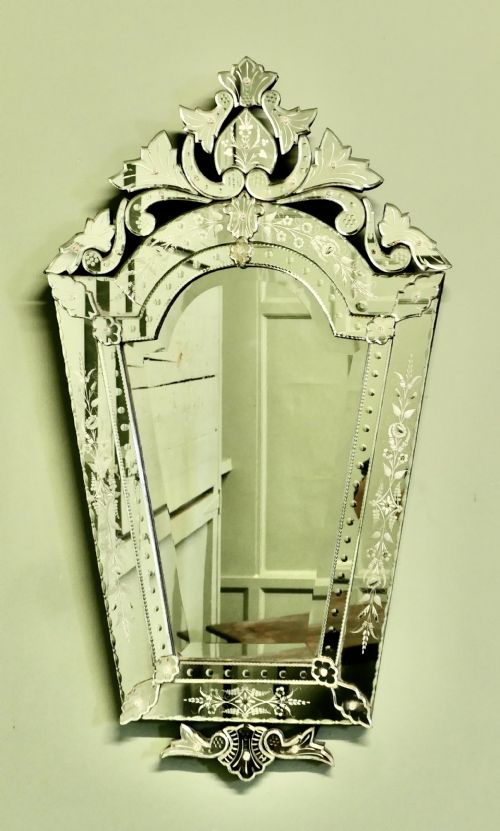
Venetian examples feature intricate glass ornamentation, including applied floral motifs, etched borders, and segmented mirror panels secured with decorative glass clips. The frames are built entirely from glass rather than wood or metal.
These pieces often display considerable height and elaborate crests. The construction demonstrates specialised glassblowing and engraving traditions originating from Murano.