


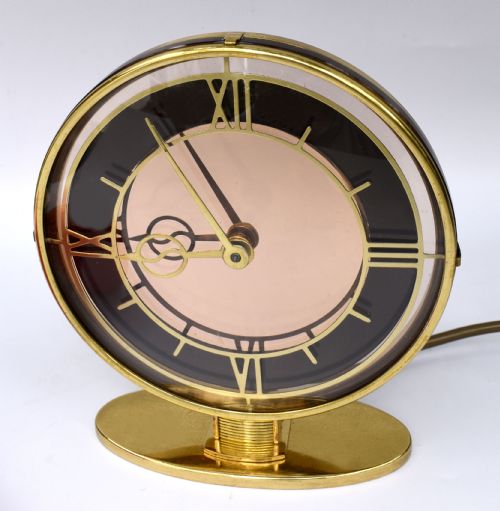

Tinted Glass Mirror
A tinted glass mirror brings unmistakable period warmth to a room, offering rich coloured panels and geometric forms.
Tinted Glass Mirror
When you search for a tinted glass mirror, you encounter striking wall mirrors, overmantels, and vanity pieces dating from the nineteen twenties and nineteen thirties. Art Deco designs dominate the selection, bringing characteristic geometric shapes and coloured glass panels into domestic spaces.
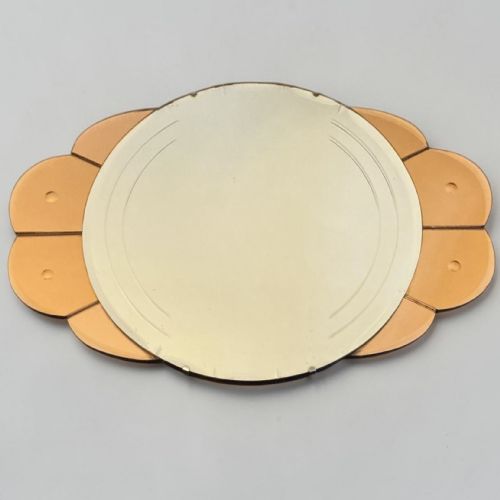
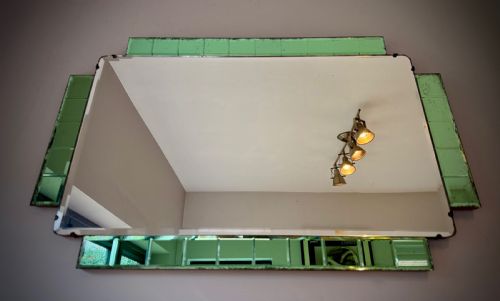
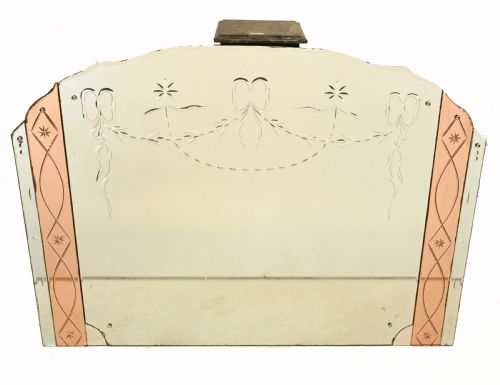
The objects span simpler wall mirrors and complex mechanical mirror clocks housed in brass or metal frames. Pieces frequently combine peach glass, emerald green glass, or blue glass with traditional mirror glass to create layered tonal effects.
How they were made
Maker construction relies heavily on cut and bevelled mirror glass combined with coloured glass panels fixed to wooden backing structures. Metal elements such as brass and chrome appear frequently as framing components or structural supports for mechanical clocks.
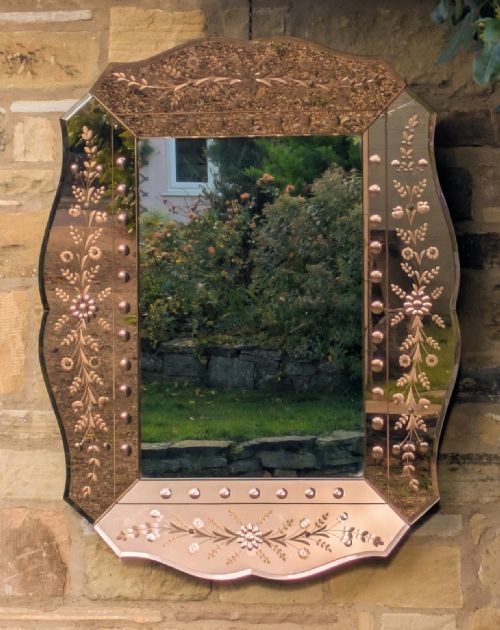
Artisans utilised specialised tinting techniques in peach, blue, and green hues, sometimes pairing the glass with copper accents or embossed detailing. Frames range from exposed metal work to clean wooden surrounds designed to showcase the vibrant glass panels.
Materials recorded across the inventory include peach glass, emerald green glass, blue glass, brass, chrome, and wood.
What varies in quality
The sophistication of the glass assembly and the complexity of the colour combinations separate standard examples from finer works. Pieces featuring multifaceted geometric arrangements, dual-tone panels, or integrated clock movements demand greater technical skill during manufacture.
The choice of supplementary materials, from heavy brass fittings to robust wooden backing frames, influences the overall substance of the piece. Preservation of the original silvering and the rich peach or blue tinting remains central to the integrity of each item.
The Tinted Glass Mirror Glossary
- Art Deco
- A design style characterised by sleek geometric shapes, stylised motifs, and modern industrial materials. It flourished internationally during the nineteen twenties and nineteen thirties.
- Overmantel mirror
- A large horizontal mirror designed specifically to hang on the wall directly above a fireplace mantel. These pieces often span significant widths to anchor the room.
- Peach glass
- A warm-toned tinted mirror glass popular during the interwar period. It imparts a flattering rosy reflection and distinct decorative depth.
- Bevelled mirror
- Plate glass whose outer edges are cut and polished at an acute angle. This technique creates a prismatic border that catches and refracts light.
Tinted Glass Mirror: Frequently Asked Questions
Where should I hang a tinted glass mirror?
These mirrors suit living rooms, hallways, and bedrooms where they can catch and reflect natural light. Placing one above a fireplace or a sideboard creates a strong focal point in the room.
Consider the surrounding colour scheme to ensure the peach, blue, or green glass tones complement your interior decor. Secure wall fixings properly, as some of these interwar pieces possess substantial weight due to their wooden backboards and glass panels.
How do I date an art deco mirror?
Dating relies on stylistic markers such as geometric silhouettes, stepped borders, and the presence of coloured glass panels. Pieces from this era typically originate from the nineteen twenties or nineteen thirties.
Examine the construction methods visible on the reverse, including the type of wooden backing and fixings used. Original mirror plates often display distinct ageing characteristics that separate period items from modern reproductions.
What is a mirror clock?
A mirror clock combines a functional timepiece with a decorative mirror surface, housing a clock movement directly within the glass frame. These inventive objects gained popularity during the interwar period.
They frequently feature mechanical eight-day movements mounted alongside brass or chrome hardware. Collectors prize them for merging utilitarian timekeeping with striking visual design.
How do I clean a vintage tinted mirror?
Clean the glass gently using a soft, lint-free cloth and a mild, ammonia-free glass cleaner. Avoid spraying liquid directly onto the glass, as moisture can seep behind the edges and damage the silvering or backing.
Take extra care around bevelled edges and metal frames to prevent moisture accumulation. Regular dusting with a dry microfibre cloth helps maintain the surface without risking the vintage materials.