




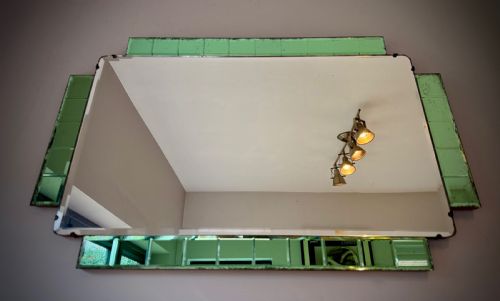


Art Deco Wall Glass
When choosing art deco wall glass, you select functional wall-mounted lighting and mirrors that define interior spaces through geometric elegance.
Art Deco Wall Glass
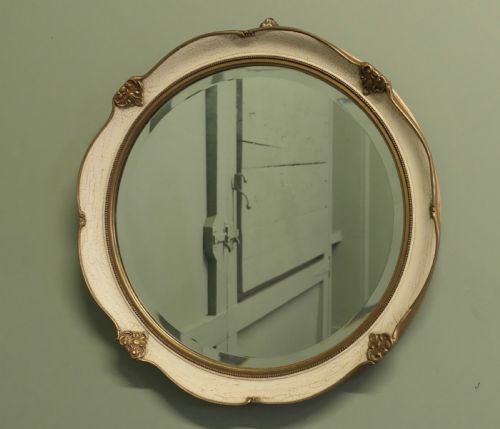
Art deco wall glass encompasses wall-mounted mirrors and lighting fixtures produced predominantly during the 1920s and 1930s. Pieces range from frameless bevelled mirrors to moulded glass wall sconces designed to mount directly onto domestic and commercial interiors.
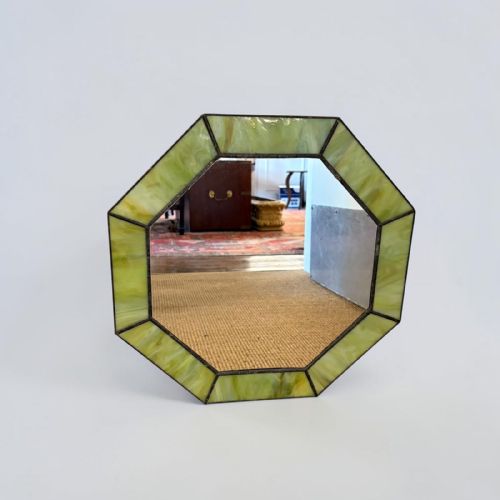
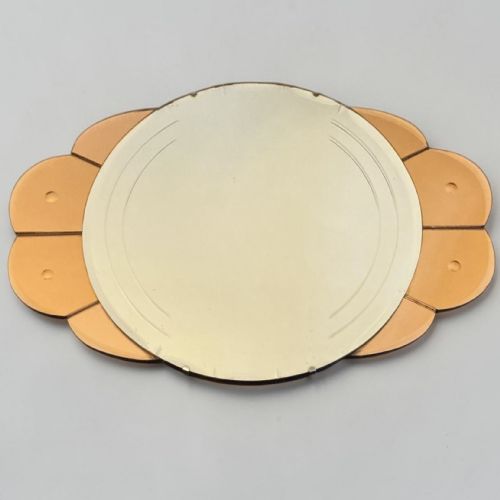
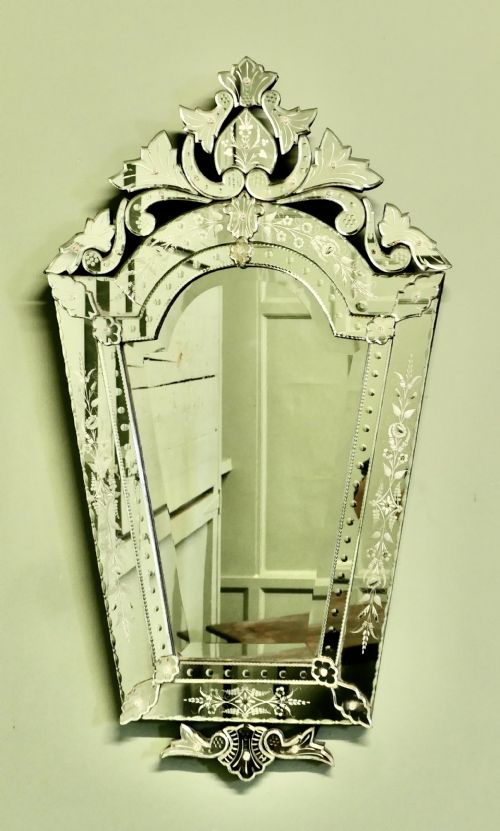
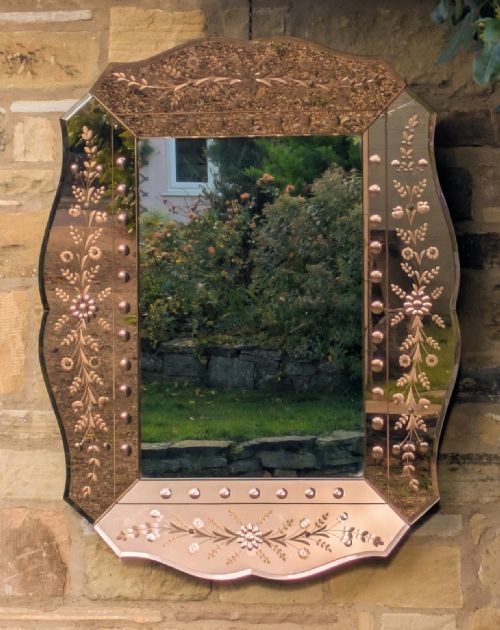
The objects frequently encountered include matched pairs of wall lights alongside large overmantel mirrors and specialist display items. French and Venetian interpretations appear alongside English manufacturing, incorporating coloured mirror plates and metal mounts.
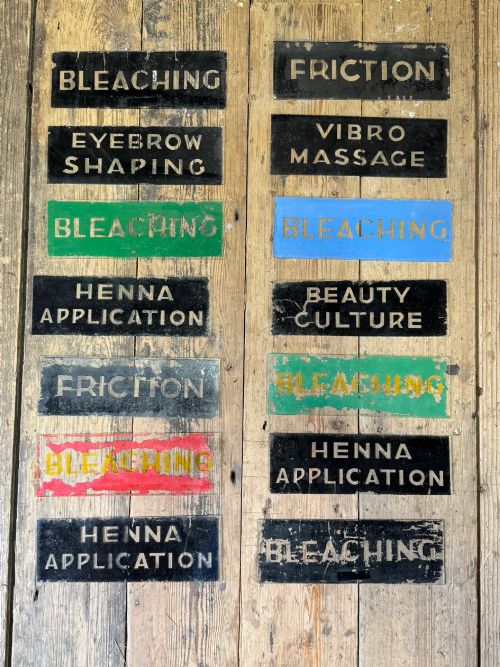
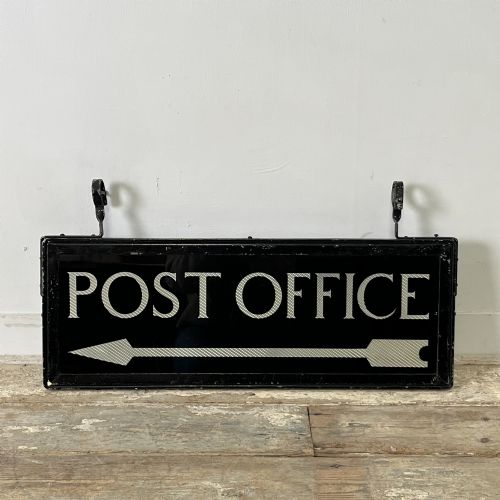
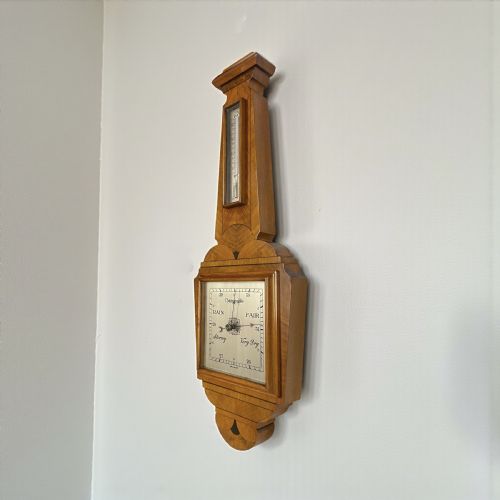
Beyond domestic mirrors and lights, the category extends to functional wall items like barometers, clocks, and reverse-painted glass signs. These diverse forms share a distinct period aesthetic driven by industrial growth and modern design principles.
Materials and Construction
Makers combined heavy plate glass and mirror glass with structural metals including chrome, brass, copper, and steel. Glass components were frequently frosted, opalescent, or cast into specific natural and geometric forms like clam shells and flames.
Lighting fixtures relied on metal frames and backplates to secure moulded glass shades, often utilising chromium plating for a modern sheen. Mirrors were bevelled, etched, or reverse-painted, sometimes incorporating secondary materials such as wood, velvet, and catalin bakelite.
The inventory records pieces spanning the Edwardian era through the 1950s, with a strong concentration of 1930s production.
Assessing Quality and Manufacture
Quality rests in the weight and purity of the glass, the depth of bevelling, and the precision of the metal mountings. Superior mirrors display clear, distortion-free reflection across large surface areas, while better lighting fixtures utilise thick, evenly moulded opalescent or frosted glass.
The integrity of original metal plating and the presence of signed or attributed glass shades elevate a piece's standing. Construction details, such as robust backing boards and secure structural joints, distinguish standard commercial output from finer workshop production.
Dugué·Baccarat·Lalique·Ezan·Odo
The Art Deco Wall Glass Glossary
- Bevelling
- The practice of angling the outer edges of a mirror plate to create a decorative border. This technique reflects light at multiple angles.
- Opaline glass
- An opaque or translucent glass, often milky white or softly coloured, used widely for diffusing light in wall sconces. It provides a soft, even glow.
- Girandole
- A branched wall light or sconce that incorporates mirrors to multiply the effect of the illumination. These pieces combine lighting with reflective glass.
- Reverse-painted glass
- A technique where designs are painted directly onto the back of a glass panel so the image is viewed through the front. This method protects the pigment and produces a glossy finish.
- Overmantel mirror
- A wide mirror designed specifically to hang on the wall above a fireplace mantel. They often span significant lengths to balance the proportions of the hearth.
Art Deco Wall Glass: Frequently Asked Questions
How do I clean antique wall mirrors safely?
Use a soft microfibre cloth and a mild, ammonia-free glass cleaner applied to the cloth rather than directly onto the glass. This prevents moisture from seeping behind the silvering or damaging the surrounding frame.
Avoid harsh scrubbing around the bevelled edges or metal mounts where age can make the materials vulnerable. Gentle, regular dusting preserves the original surface finish without wearing down the antique glass.
Can antique wall lights be rewired for modern homes?
Most antique lighting fixtures can be adapted to meet contemporary electrical standards by a qualified electrician. Wiring can be safely threaded through original metal frames and backplates without altering the visible exterior.
Retaining the original sockets and glass shades while updating internal wiring ensures the fixture remains both safe for daily use and historically intact.
Where should I hang a large overmantel mirror?
These mirrors suit placement above a living room fireplace, where their horizontal proportions balance the hearth below. They also function effectively along main hallway walls to draw light through the space.
Ensure the wall structure and mounting brackets can support the substantial weight of heavy plate glass and wooden backing frames.
What defines frosted glass sconces?
Frosted glass sconces feature chemically or mechanically treated surfaces that diffuse the light bulb's glare. This treatment creates a soft, ambient illumination characteristic of the period.
The glass was often moulded into shapes like shells or geometric panels, turning the light fitting itself into a decorative wall sculpture.