


1930s French Glass
When you search for 1930s french glass, you enter a decorative world of opalescent bowls, frosted figures and heavy moulded vases.
1930s French Glass
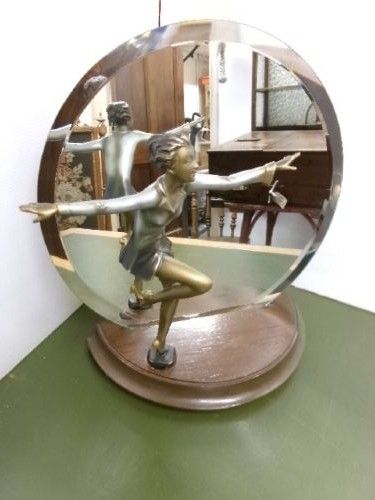
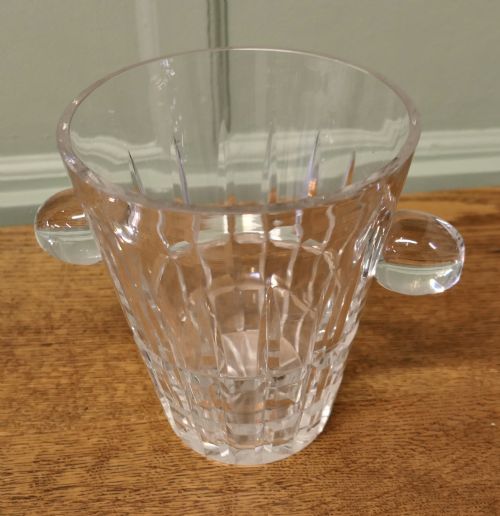
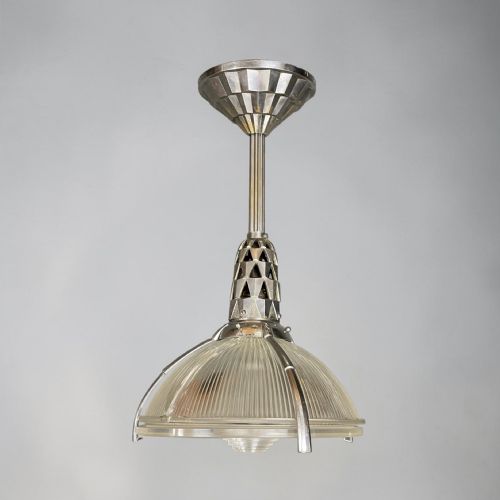
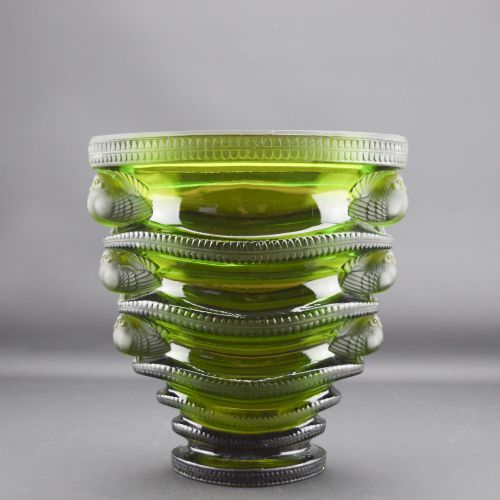
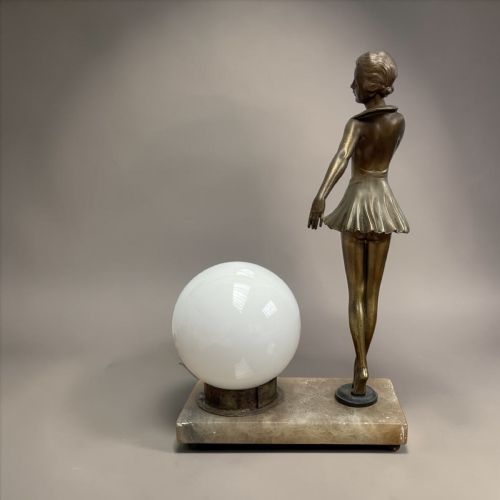
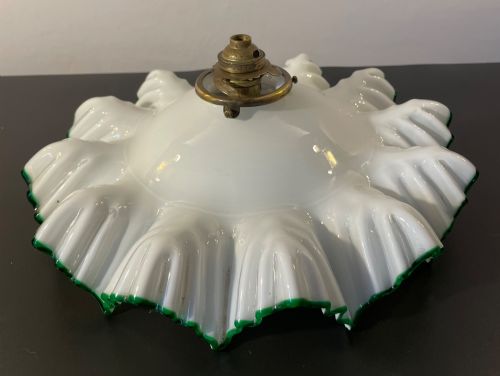
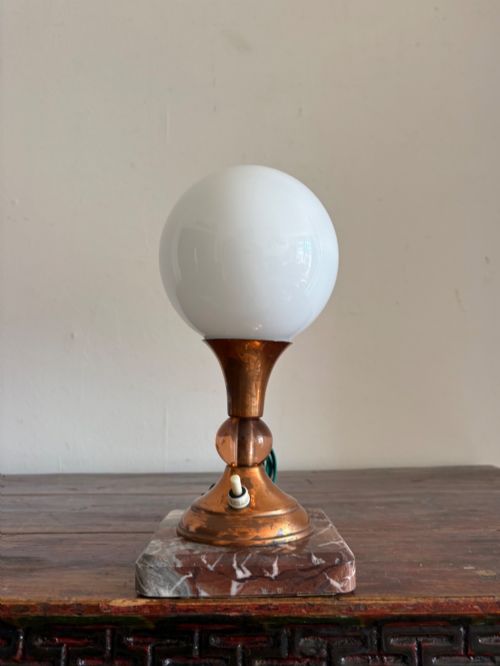
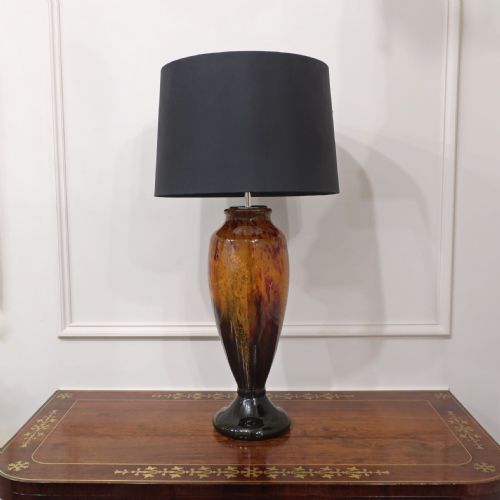
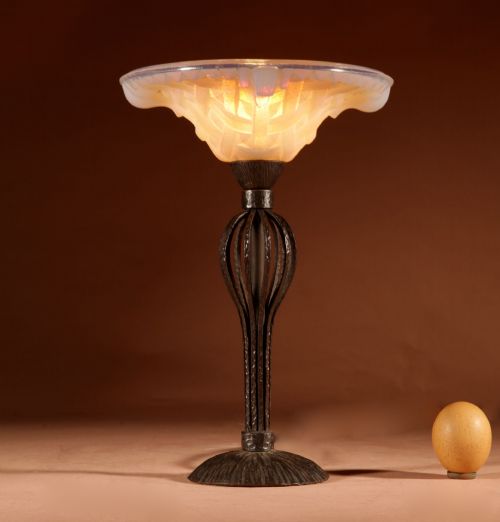
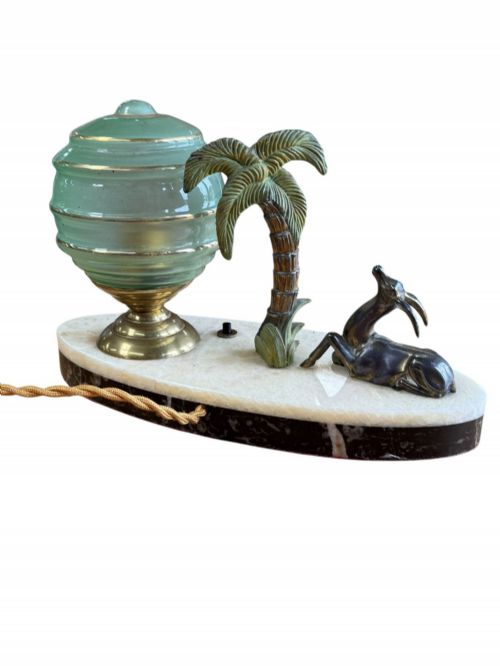
1930s french glass encompasses decorative vessels, lighting components and small sculptures produced primarily during the height of the Art Deco period. Buyers encounter table lamps, pendant shades, shallow bowls and figural paperweights originating from French workshops.
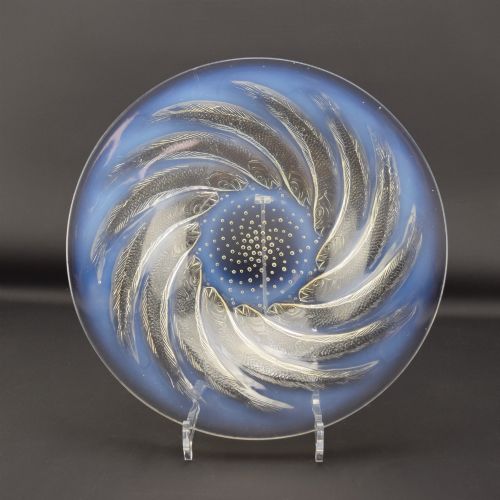
The objects combine functional utility with sculptural form, reflecting the modernist aesthetics of the interwar decades. Vases and chargers often utilise opalescent or frosted finishes to catch and scatter light.
How They Were Made
Makers utilised mold-blown and pressed techniques to achieve thick-walled vessels with deep relief decoration. The addition of chemical agents during the melt produced characteristic opalescent qualities that shift between milky white and pale blue depending on the light.
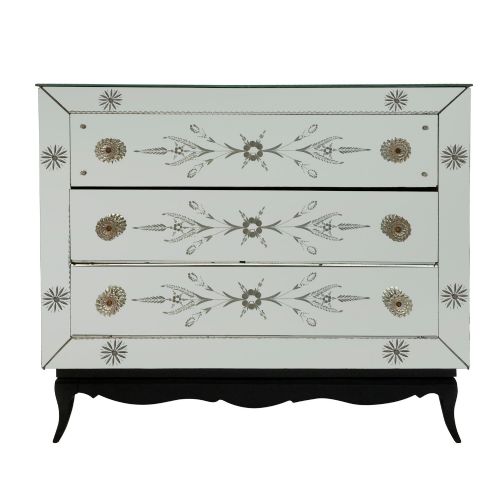
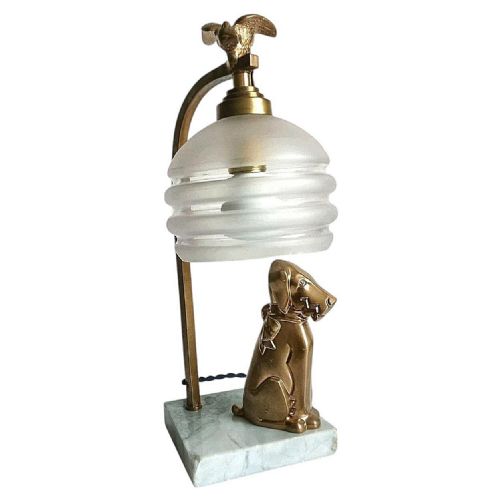
Surface details were frequently enhanced through acid-etching, enamelling or staining. Many glass elements were mounted in metal bases, wrought iron frames or combined with marble and brass.
Several glass cats sit patiently on shelves, refusing to chase the nearby bronze dogs and parrots.
What Varies in Quality
Quality rests in the crispness of the mould impression and the depth of the subsequent surface carving or acid etching. Superior pieces retain sharp details in hair, feathers and floral motifs without softening at the edges.
The purity of the glass mass and the subtlety of the opalescent fire distinguish masterworks from standard commercial output. Weight, balance and the integration of metal or marble mounts also indicate the level of workshop execution.
Rene Lalique·Charles Schneider·Jean Luce·G Vallon·Etling·Pierre D'Avesn
The 1930s French Glass Glossary
- Opalescent glass
- Glass that milky-blue translucent quality which catches amber highlights when lit from the front. This effect comes from specific chemical additives in the batch during melting.
- Frosted glass
- Glass treated by acid or sandblasting to create a matte, non-reflective surface. It contrasts sharply with polished clear sections on moulded figures and vases.
- Intaglio
- A technique where the design is sunk below the surface of the glass rather than carved in relief. It requires steady hand-cutting on heavy walled vessels.
- Enamelling
- The application of coloured metallic fluxes fused to the surface of the glass by firing. It adds permanent colour accents to moulded details.
1930s French Glass: Frequently Asked Questions
How do I identify genuine 1930s French glass?
Authentic pieces carry moulded, acid-etched or engraved signatures or factory marks near the base. The weight and the characteristic bluish fire of the opalescent material offer further confirmation.
Examine the depth of the moulding and the crispness of the frosted details against known examples from the period.
Were these pieces used for display or daily dining?
Most heavy opalescent chargers, figurines and specialised vases served decorative roles in interwar interiors. Smaller drinking glasses and tableware saw active use in domestic dining.
Larger bowls and centerpieces acted as focal points on sideboards and dining tables.
How should I clean opalescent glass pieces?
Wash gently in warm water using a mild, non-abrasive detergent and a soft cloth. Avoid harsh scrubbing or ultrasonic cleaners that can damage delicate acid-etched surfaces.
Dry immediately with a lint-free cloth to prevent water spots on frosted or stained areas.
Can I use vintage glass lamps safely today?
Many lamps and wall lights retain original wiring that requires professional rewiring to meet modern safety standards. Have a qualified electrician inspect the fittings before regular use.
Ensure that replacement bulbs generate minimal heat to protect older glass shades from thermal stress.