

French Glass Plate
These pieces bring a french glass plate into the room, offering transparent or opalescent surfaces shaped by decades of design.
French Glass Plate
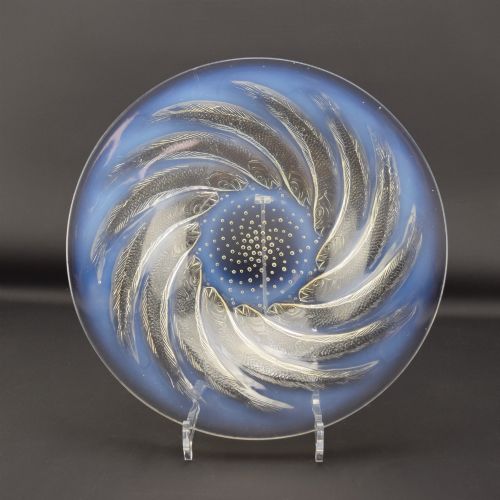
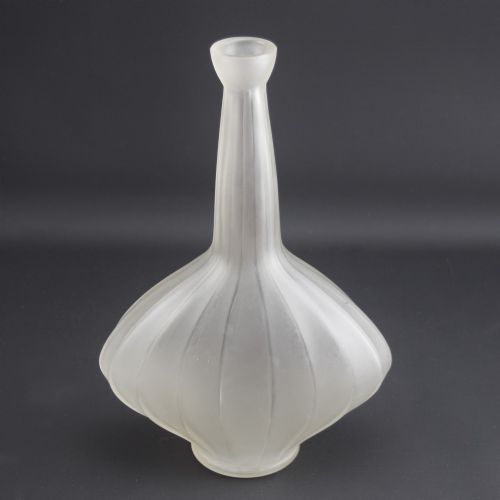
When searching for a french glass plate, collectors encounter tableware, serving pieces, and decorative dishes originating from periods spanning the eighteenth century to the mid-twentieth century. The selection includes opalescent glass items designed by figures such as René Lalique, alongside various moulded and pressed glass vessels from the Art Deco and earlier eras.
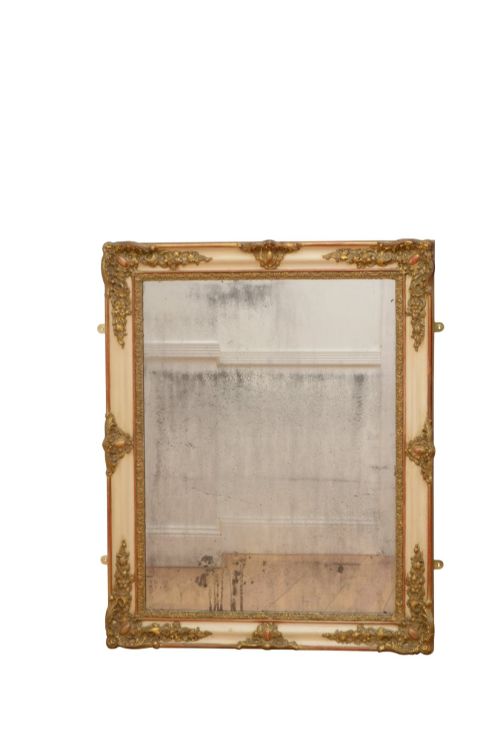
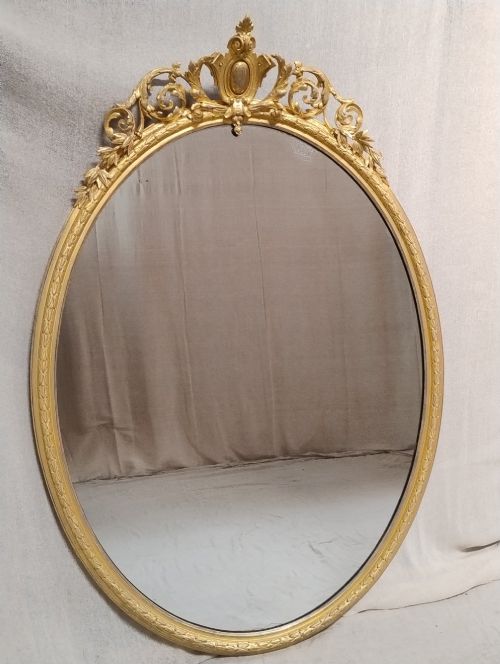
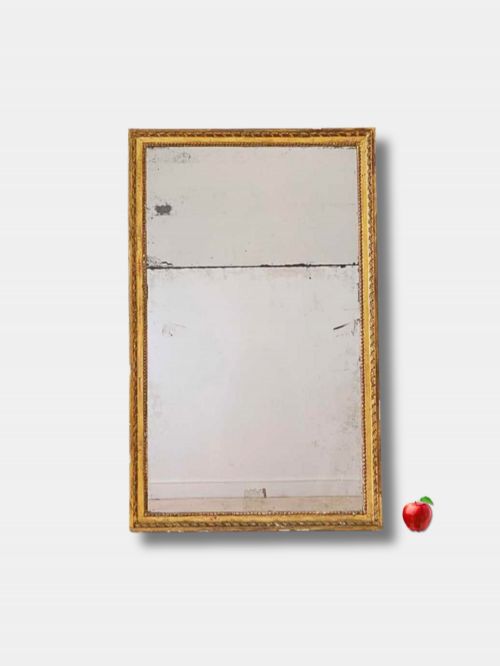
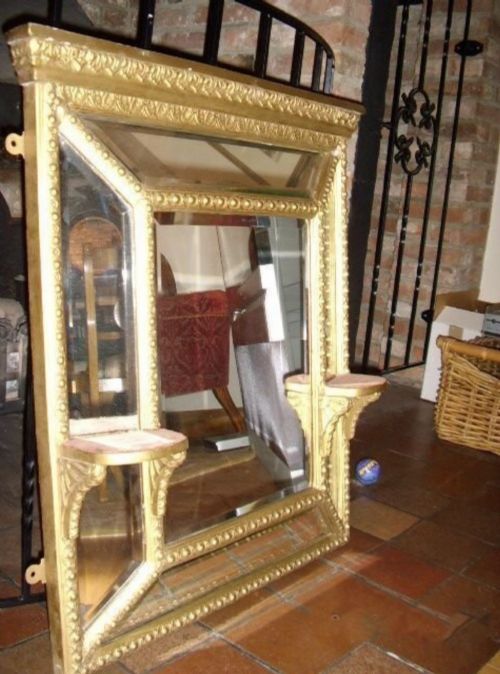
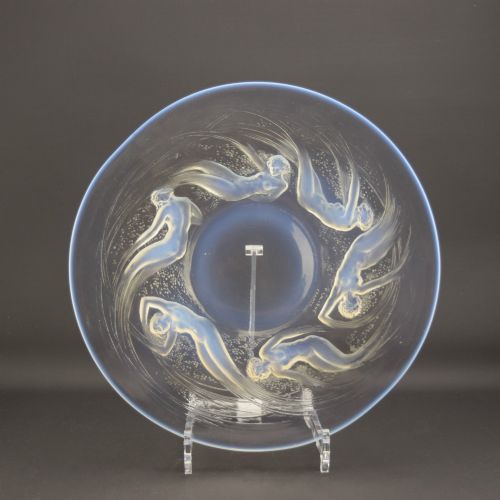
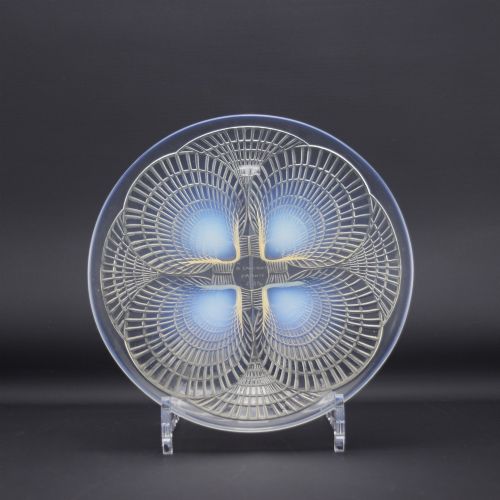
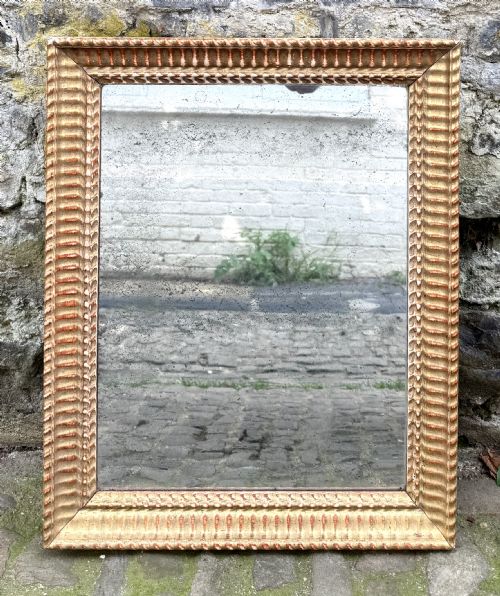
The most common versions met on this page are circular opalescent plates and chargers bearing moulded motifs, alongside mirrored glass plates set within period frames. These objects reflect shifts from rococo ornamentation toward geometric twentieth-century styles.
Originating primarily from French workshops and makers, these items served decorative functions in domestic interiors or practical roles as tableware. Their survival records the evolution of continental glassmaking techniques and design philosophies across successive centuries.
How they were made
Makers utilised glass press and mould techniques to shape molten material into relief patterns, often incorporating opalescent or sepia staining agents to accentuate surface details. This method allowed workshops to produce consistent forms with high-relief ornamentation.
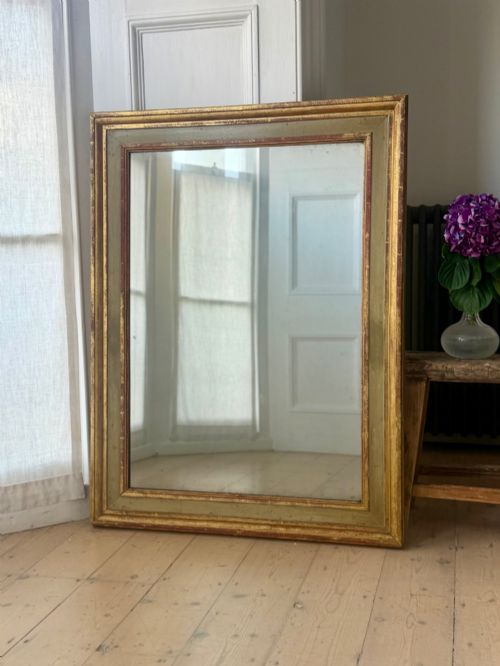
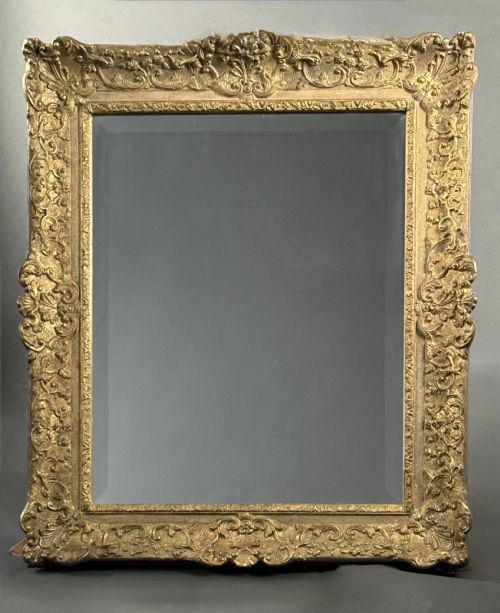
Mirrored variants involved applying a reflective backing, such as mercury or silver solutions, to flat glass plates housed within carved giltwood and gesso frames. This combination joins glass manufacture with traditional carpentry and gilding practices.
Several plates feature swimming fish and hunting dogs, proving that French glassmakers had a soft spot for domestic pets and aquatic life.
What varies in quality
The clarity of the moulding and the depth of the opalescence distinguish superior examples from simpler production pieces, particularly in pressed glass where sharper relief indicates finer metal moulds. Surface wear on the glass or the reflective backing also influences the character of each piece.
In framed glass plates and mirrors, the crispness of the carved gesso and the preservation of the original mercury plate define the standard of the object. Hand-finished details on the surrounding frames show the workshop's level of execution.
Rene Lalique·Christofle·Hermes Paris·Verlys
The French Glass Plate Glossary
- Opalescent glass
- A type of glass that displays milky, milky-blue or fire-like chromatic effects when light passes through the surface. It was heavily utilised during the Art Deco period.
- Mercury glass
- A double-walled glass blown into a mould with a silvering mixture inserted through a pontil mark, creating a reflective surface. Early examples date to the nineteenth century.
- Giltwood
- Wood that has been coated with gold leaf or gold paint. It frequently forms the structural frames for decorative glass wall plates and mirrors.
- Gesso
- A plaster-like mixture applied to wood frames to provide a smooth base for gilding and relief ornamentation. It is carved to form decorative motifs around mirror plates.
- Coupe ouverte
- An open bowl or shallow plate form used in French glass design. These pieces often feature moulded floral or aquatic themes.
French Glass Plate: Frequently Asked Questions
What periods do these glass plates cover?
The listings span from the eighteenth century through the nineteenth century and into the Art Deco and mid-century movements of the twentieth century. Each era brings distinct manufacturing methods and decorative styles.
Early pieces often display rococo or neoclassical influences, while later items embrace modernist geometric and opalescent designs.
How were opalescent plates used originally?
These items served as decorative chargers, serving dishes, and sweetmeat plates in formal dining settings. Their visual effects were designed to catch ambient light on a table or sideboard.
Over time, many transitioned into pure display pieces, appreciated for their sculptural moulded reliefs.
How can I tell an antique plate from a later reproduction?
Examine the underside and edges for signs of wear, tool marks, and the characteristics of the moulding process typical of early production. The weight and composition of the glass often reflect the manufacturing standards of the period.
Consult the recorded maker, style, and material details to verify consistency with documented historical pieces.