

1930s Burr Walnut Furniture
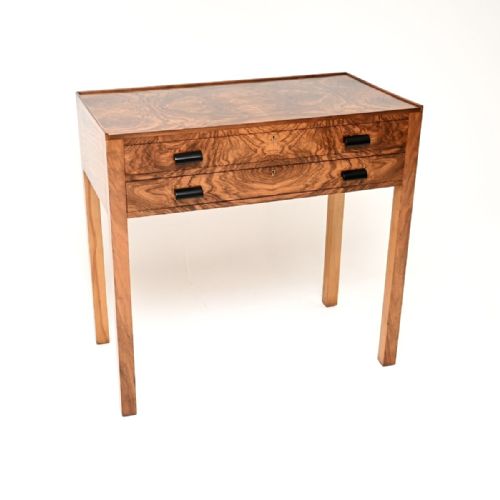
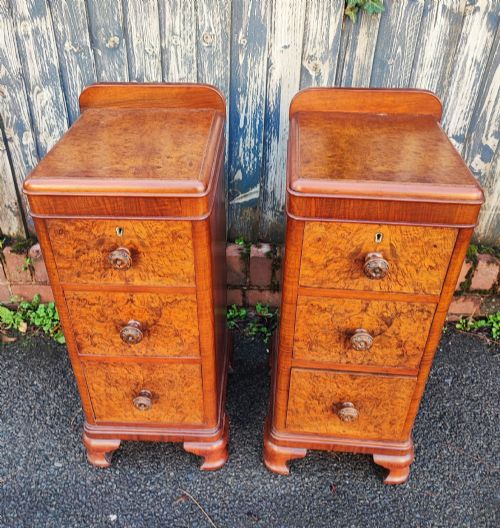
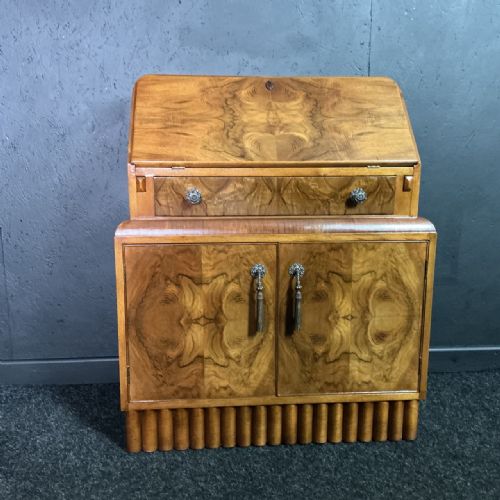
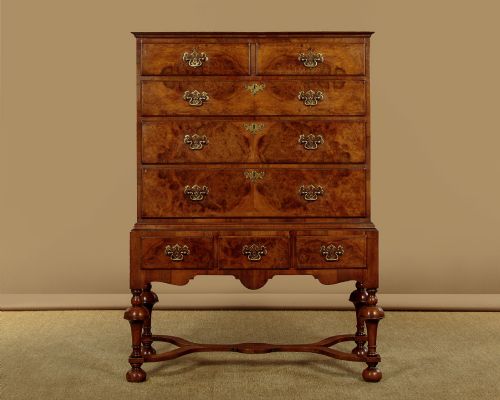
These 1930s burr walnut furniture pieces deliver striking geometric grain patterns and sophisticated Art Deco forms that anchor a room.
1930s Burr Walnut Furniture
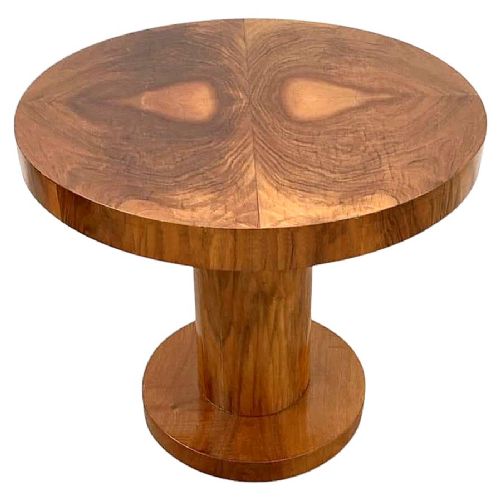
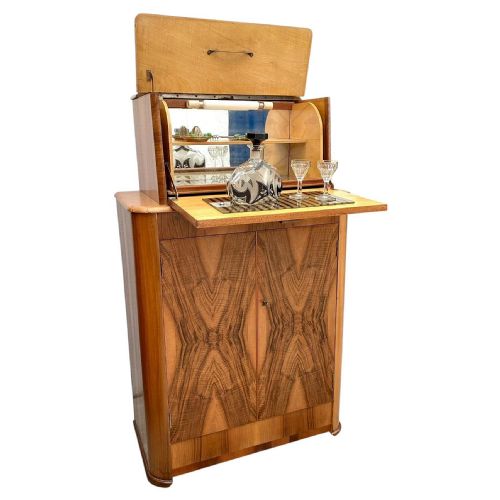
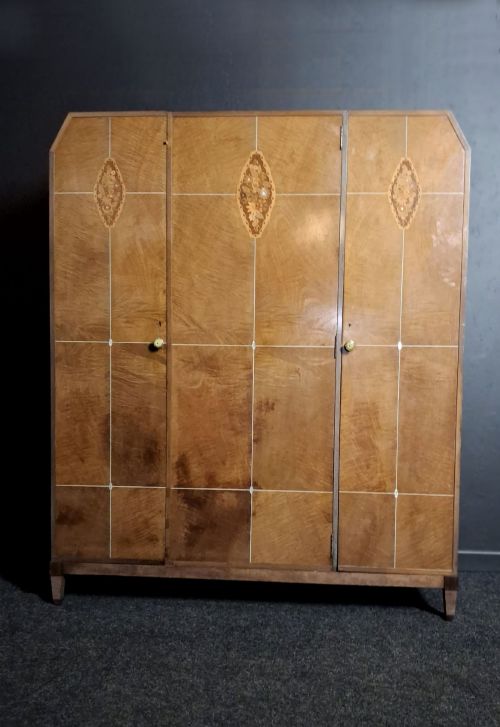
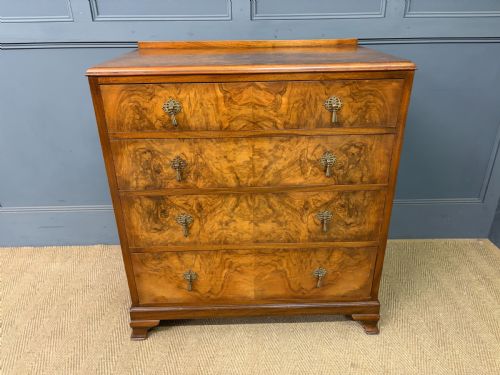
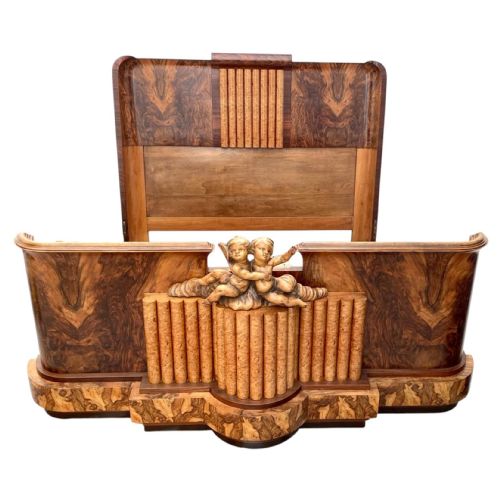
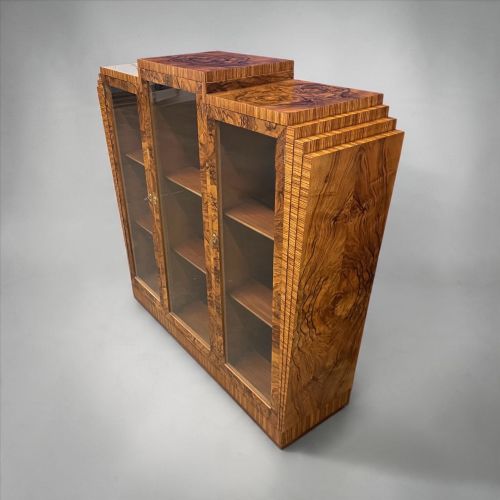
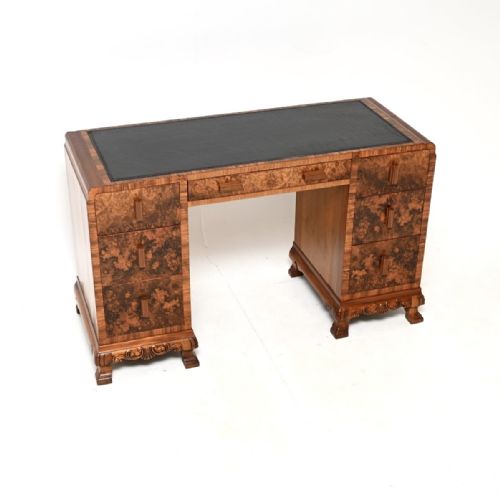
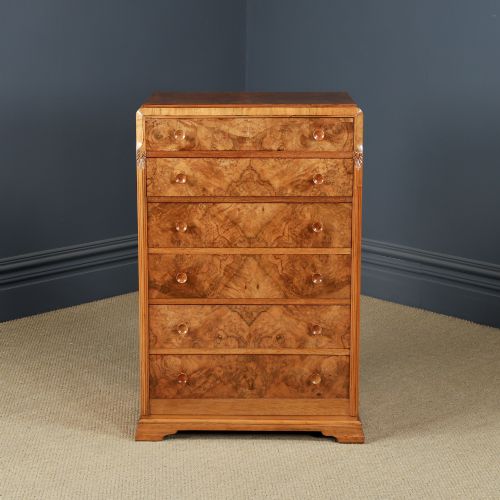
When you search for 1930s burr walnut furniture, you encounter items shaped by the bold aesthetics of the Art Deco period. The selection encompasses practical household forms such as cocktail cabinets, dining sets, chests of drawers, and desks.
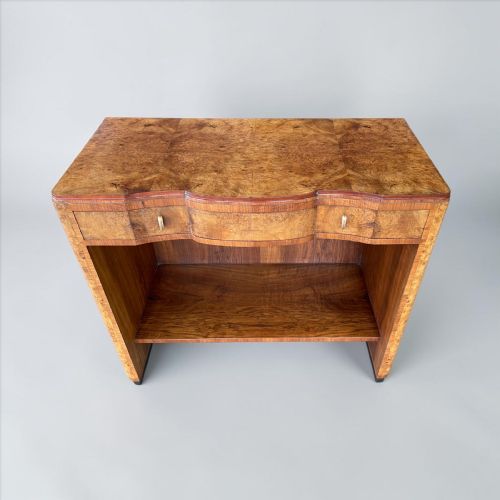
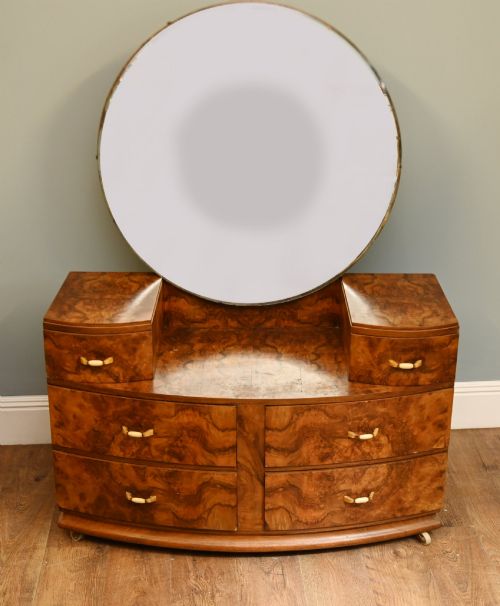
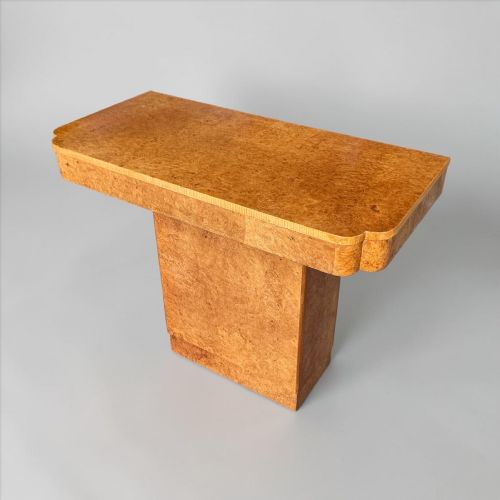
Beds, side tables, dressing tables, and coffee tables also appear frequently in this selection. English and continental workshops produced these pieces utilising rich timber figures to create strong visual impact.
Cabinets and sideboards often serve as the focal point of a room due to their dramatic grain patterns. Smaller items like occasional tables and bedside units offer simpler ways to introduce the style into an interior.
How they were made
Maker's workshops applied thin slices of burr walnut veneer over solid secondary timbers to display intricate, swirling grain patterns across wide surfaces. Craftsmen paired this figured wood with contrasting materials including brass hardware, glass panels, and leather writing inserts.
Structural elements relied on standard walnut alongside the decorative veneers, while metal and glass accents defined the modernist aesthetic. Cabinetmakers arranged the wood veneers symmetrically to create striking geometric patterns on door fronts and table tops.
1930s Burr Walnut Furniture Retail Price Guide 2026
Typical asking prices for 1930s burr walnut furniture among the pieces listed under this phrase on Sellingantiques today, from the lower quarter to the upper quarter. They describe what is for sale here now, not the wider market.
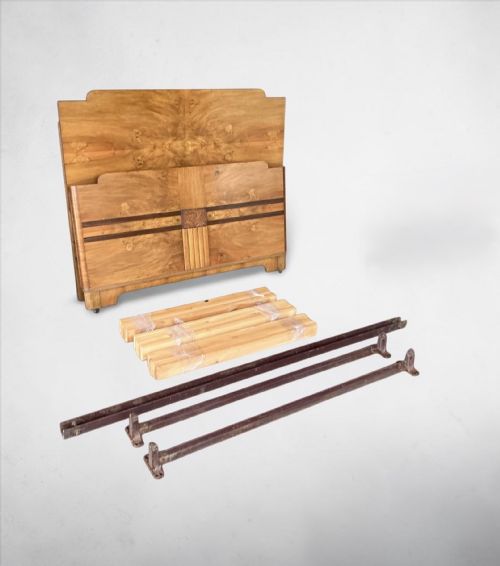
Several beds arrive ready for modern slumber while retaining their original geometric headboards designed to impress weary travellers.
What varies in quality
The density and symmetry of the burr walnut figuring dictate the visual calibre of each piece. Elaborate veneer matching across multiple drawers or doors separates standard production items from exceptional workshop creations.
Cabinet construction details, such as the integration of specialised cocktail interiors or solid brass fittings, distinguish higher tier examples. The precision of the marquetry and the condition of the polished surface determine the overall standard.
Maurice Adams·Harry and Lou Epstein·Waring and Gillow·Frank Taylor and Co·Hille
The 1930s Burr Walnut Furniture Glossary
- Burr walnut
- A wood veneer derived from the abnormal growth or burl of a walnut tree, yielding complex, swirling patterns. Furniture makers prize this material for its decorative visual texture.
- Art Deco
- A design style dominant in the 1920s and 1930s characterised by sleek geometric shapes, streamlined forms, and modern materials. This aesthetic heavily influences the silhouettes of these cabinets and tables.
- Cocktail cabinet
- A dedicated drinks storage unit featuring mirrored interiors, glass shelves, and pull-down mixing slides. These pieces represent the social entertaining habits of the period.
- Cloud suite
- A distinctively rounded, padded lounge furniture grouping associated with the period. The upholstery style mimics soft, flowing formations.
1930s Burr Walnut Furniture: Frequently Asked Questions
How do I clean burr walnut?
Dust surfaces regularly with a soft, dry cloth to prevent particulate buildup on the delicate veneer. Avoid using harsh chemical sprays or excessive moisture which can damage the polished finish.
Apply a quality beeswax periodically to nourish the wood and maintain its natural sheen. Buff gently along the grain direction to protect the thin walnut layer.
Where should I place a cocktail cabinet?
Position the cabinet away from direct sunlight and heat sources to prevent the walnut veneer from drying and cracking. These statement pieces function well in living rooms or dining spaces as focal points.
Ensure adequate floor clearance around drop-front mixing surfaces so doors open without obstruction. Room placement should highlight the decorative grain patterns on the front panels.
How do I identify Art Deco furniture?
Look for symmetrical geometric shapes, stepped outlines, and clean architectural lines. The absence of traditional carving distinguishes these modernist pieces from earlier antique styles.
Examine the hardware and secondary materials for brass accents, glass, and leather integration. The overall silhouette prioritises streamlined forms over ornate embellishment.
Are these pieces suitable for daily use?
Sturdy construction methods allow these tables, desks, and chests to withstand normal everyday tasks. Careful handling of polished surfaces and leather inserts ensures longevity in active environments.
Use coasters and protective pads on dining tables and coffee tables to prevent water rings or heat marks. Regular maintenance keeps the vintage timber functional for modern living.