

1930s Art Deco Lamp
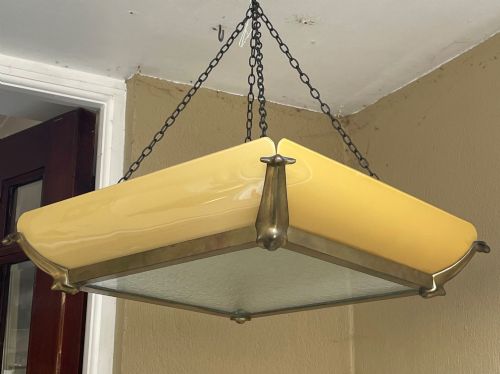
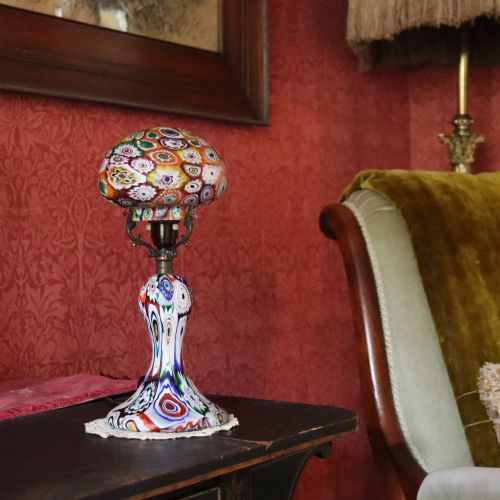
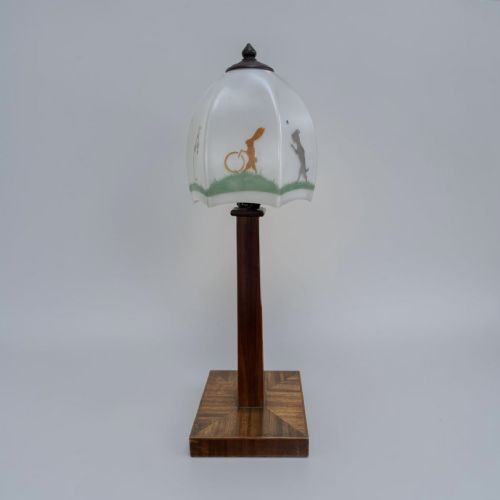
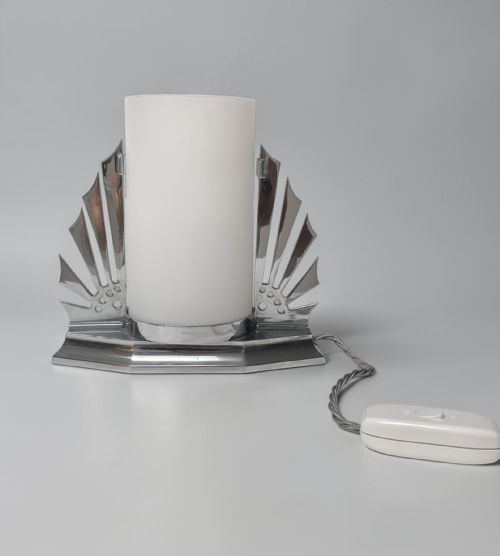
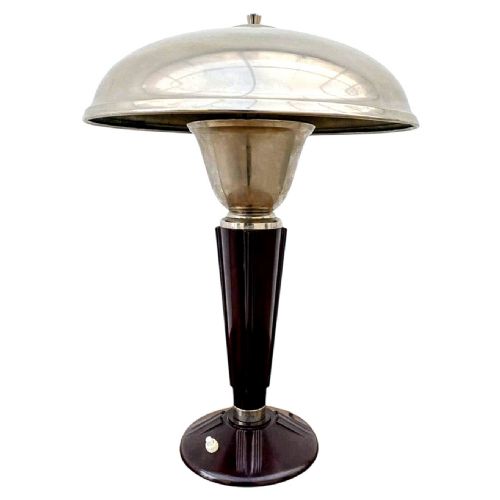
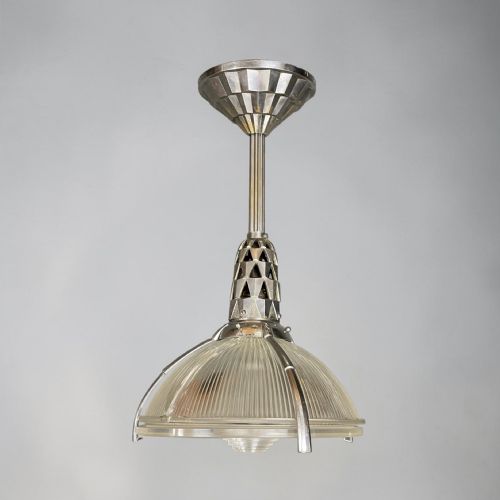
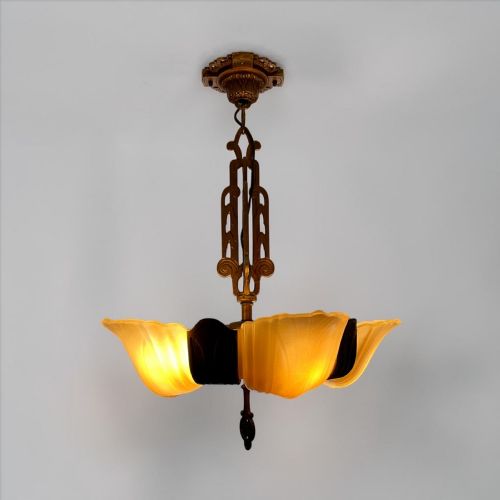
A 1930s art deco lamp brings geometric geometry, sleek metals and colourful glass into a room to anchor the space with period character.
1930s Art Deco Lamp
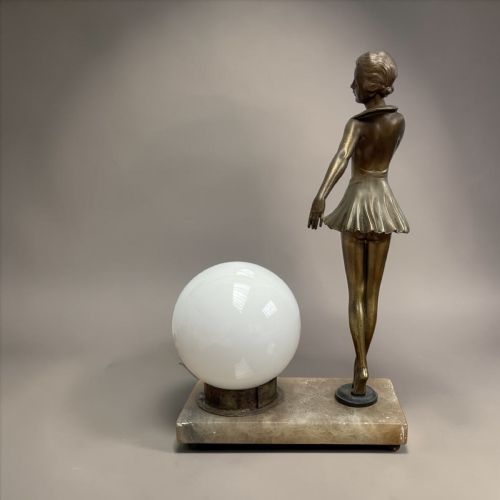
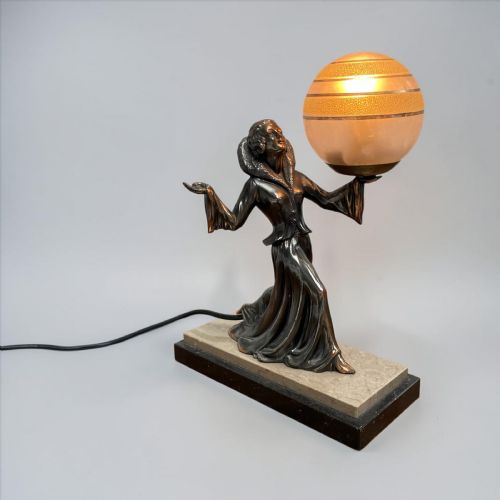
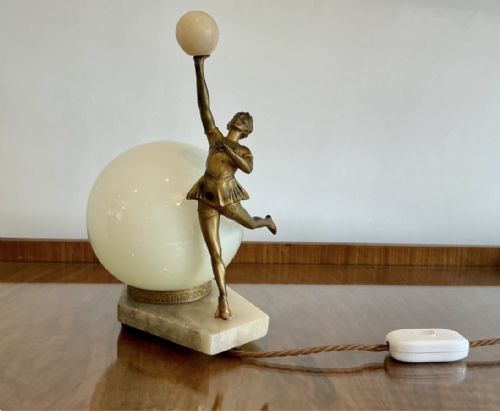
A 1930s art deco lamp is a lighting fixture defined by the streamlined aesthetic of the interwar years, encompassing table, desk, standard and floor lamps alongside specialised figural and novelty designs. Buyers searching for a 1930s art deco lamp typically encounter pieces that combine utilitarian forms with decorative elegance, spanning simple functional desk lights to elaborate sculptural creations.
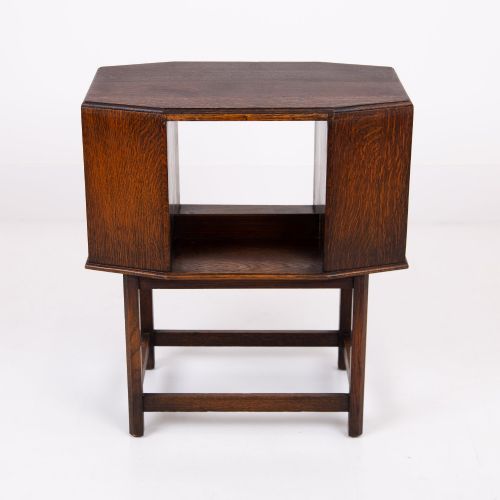
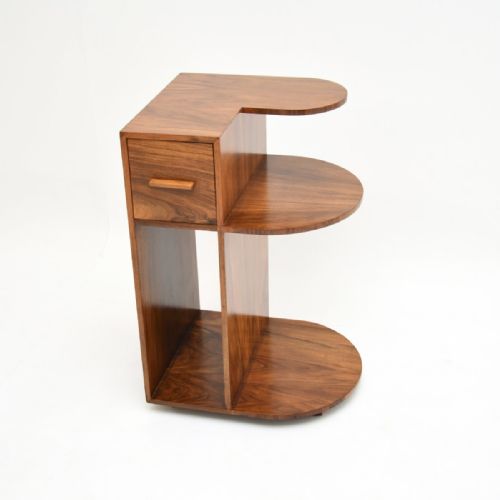
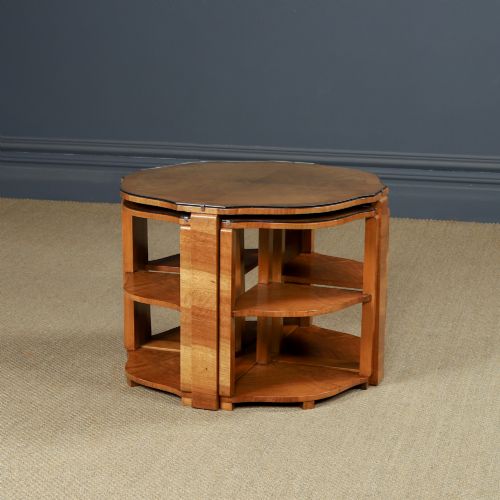
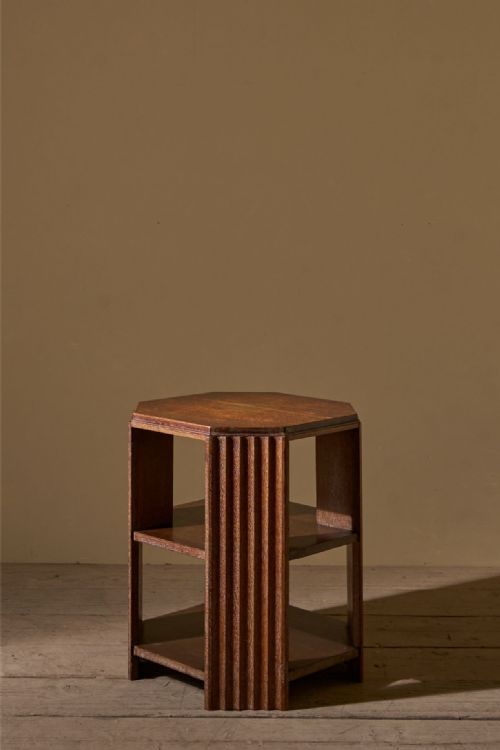
The selections on this page draw from the Art Deco, Machine Age and American Art Deco styles, often appearing alongside related furnishings like occasional tables and wall lights. Originating predominantly from French, British and American workshops, these pieces reflect the diverse manufacturing output of the period from 1920 through 1930.
Materials and construction
Makers constructed these lamps using a robust mix of metals such as brass, chrome and copper, often paired with heavy stone bases in marble or alabaster for stability. These materials were shaped through casting, spinning and welding to achieve the smooth, unbroken lines characteristic of the era.
Glass played a vital role, appearing as slip shades, opaline diffusers, mottled art glass or moulded lamp components sourced from specialised glassworks. Organic materials like walnut, oak, satinwood, bakelite and vellum were also employed to construct bodies, switch housings and shades, adding warmth to the metallic elements.
1930s Art Deco Lamp Retail Price Guide 2026
Typical asking prices for 1930s art deco lamp among the pieces listed under this phrase on Sellingantiques today, from the lower quarter to the upper quarter. They describe what is for sale here now, not the wider market.
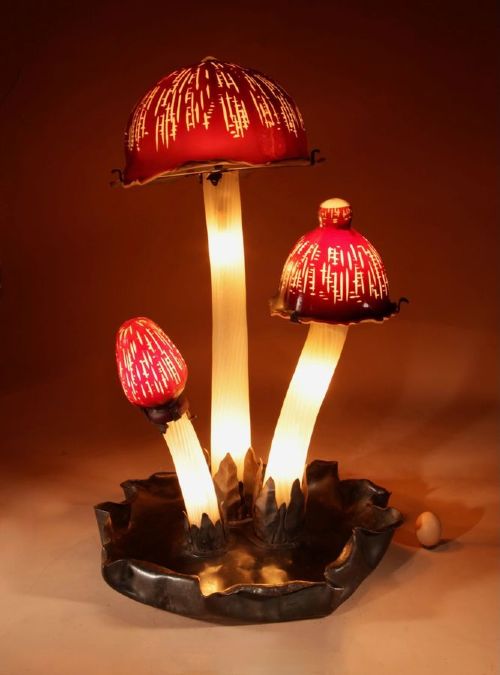
You might just find a lamp shaped like a dog or a parrot waiting to illuminate your sideboard.
Factors that define quality
The reputation of the designer or glass house significantly influences the standing of a lamp, with signed pieces from known glassmakers or design figures commanding greater recognition. Additionally, the survival of original components, such as matching glass shades and authentic switches, preserves the integrity of the piece.
Fratelli Toso·Eileen Grey·Émile-Jacques Ruhlmann·Charles Schneider·Muller Frères·Degué·Wedgwood
The 1930s Art Deco Lamp Glossary
- Slip shade
- A moulded piece of art glass that fits directly into a metal frame to form the body of a ceiling or table light.
- Opaline glass
- A milky, semi-translucent glass type used extensively to diffuse light evenly across a room without harsh glare.
- Bakelite
- An early form of synthetic plastic utilised for switch housings, bases and decorative details due to its smooth finish.
- Machine Age
- A design aesthetic celebrating industrial progress, clean lines and functional efficiency within domestic objects.
- Alabaster
- A fine-grained, translucent stone carved into heavy bases to provide both ballast and decorative visual texture.
1930s Art Deco Lamp: Frequently Asked Questions
How do I identify an authentic 1930s art deco lamp?
Authentic pieces generally display the characteristic weight, material combinations and manufacturing techniques of the interwar period, such as genuine chrome plating over brass or hand-finished glass shades.
Examining the construction methods, wiring channels and any maker marks or signatures helps differentiate vintage production from later reproductions.
Were these lamps originally electric?
While most surviving examples from this era were manufactured for electricity, some earlier transitional pieces utilised gas before conversion.
Today, many lamps are rewired to meet modern safety standards while retaining their original sockets and switches where possible.
What is a figural art deco lamp?
A figural lamp incorporates sculpted human figures, animals or novelty subjects directly into the base or support structure of the lighting fixture.
These pieces often feature stylized representations of dancers, dogs or parrots executed in metal, ceramics or carved stone.
How do I care for marble and metal bases?
Metal components require gentle dusting and occasional cleaning with appropriate non-abrasive metal polishes to prevent tarnishing without removing the finish.
Marble and alabaster bases should be kept dry and cleaned with a soft cloth, avoiding acidic cleaners that can etch the stone surface.