
1930s Art Deco Bedroom Furniture
These pieces of 1930s art deco bedroom furniture bring geometric form and striking wood grains into a sleeping space, offering both utility and distinct period style.
1930s Art Deco Bedroom Furniture
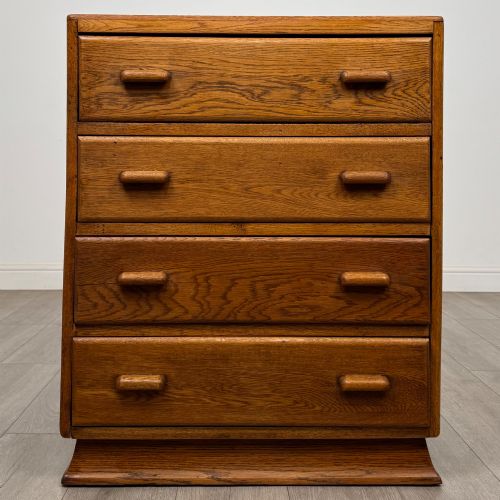
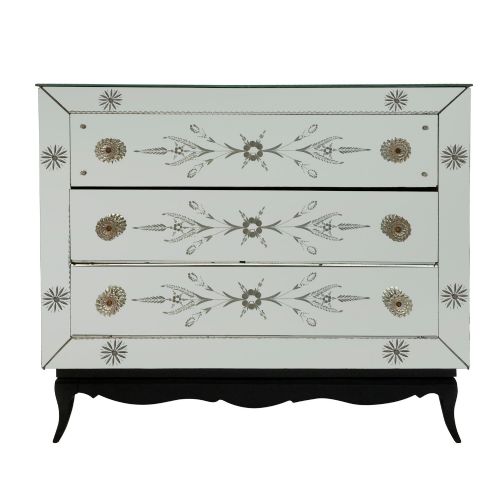
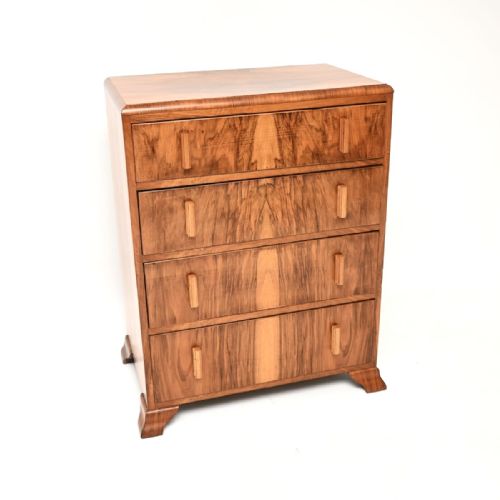
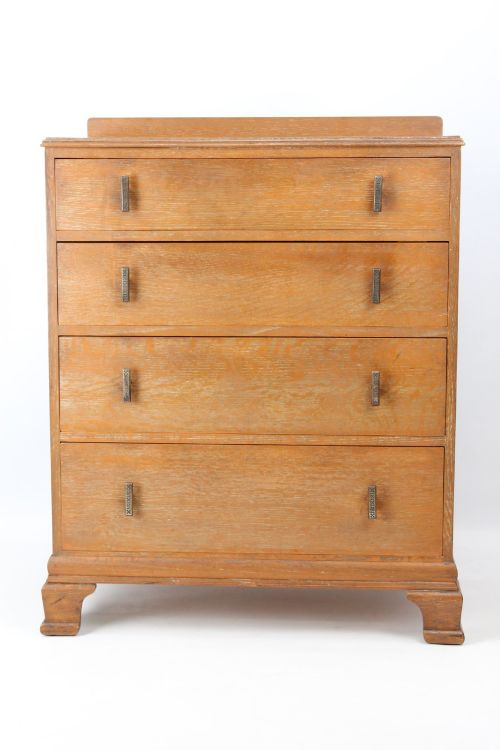
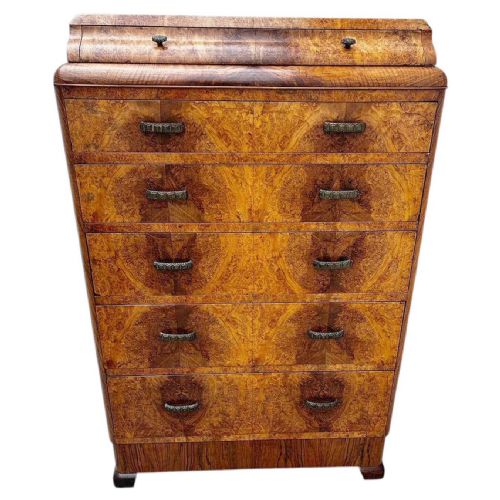
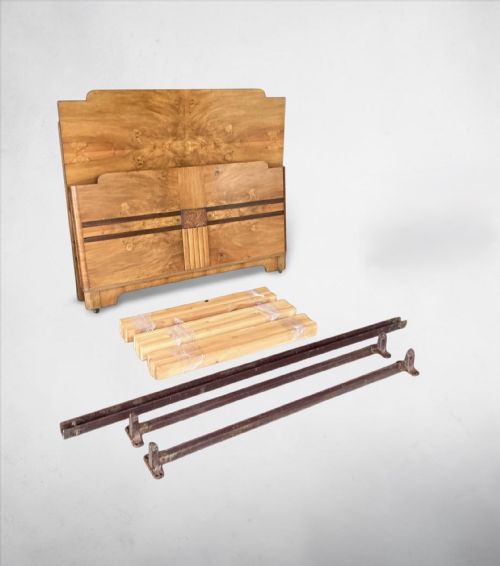
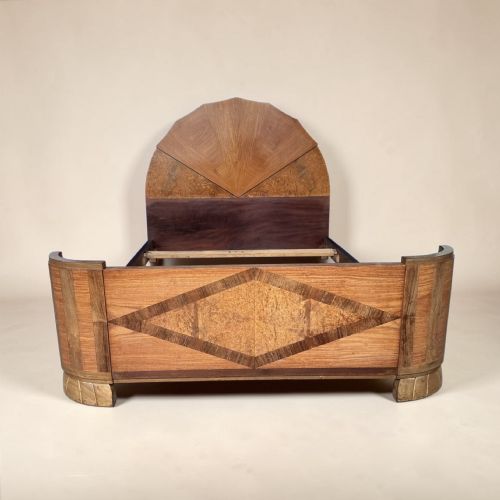
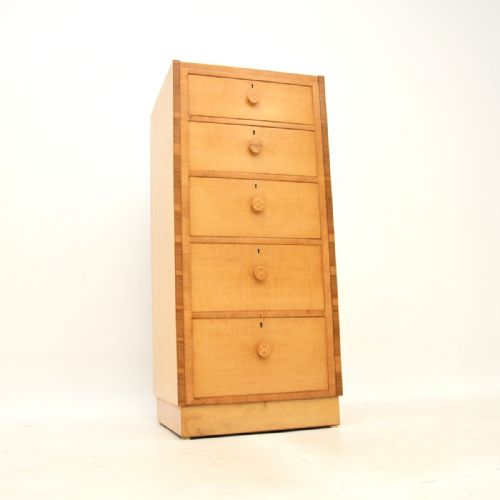
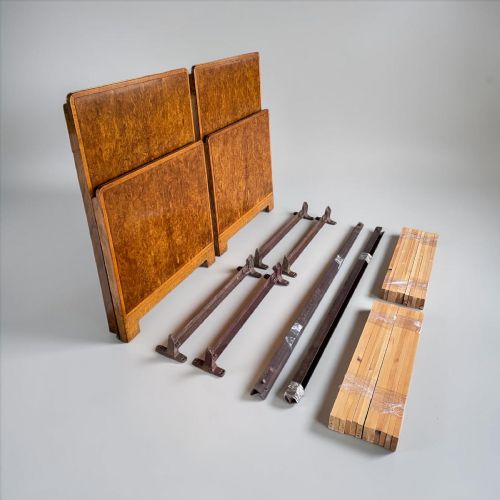
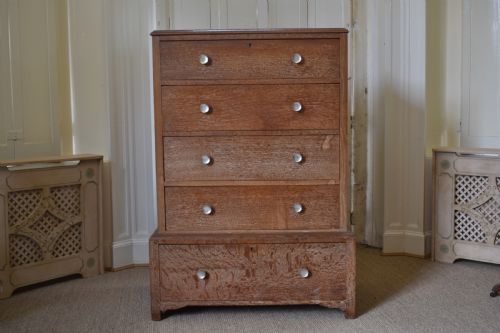
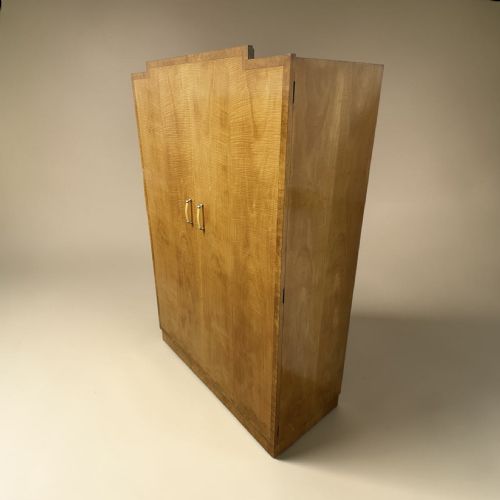
When you search for 1930s art deco bedroom furniture, you encounter a comprehensive range of domestic pieces designed to coordinate a sleeping chamber in the modern style. The selection centres on larger storage items and resting places, spanning wardrobes, tallboys, chests of drawers, and double or single beds.
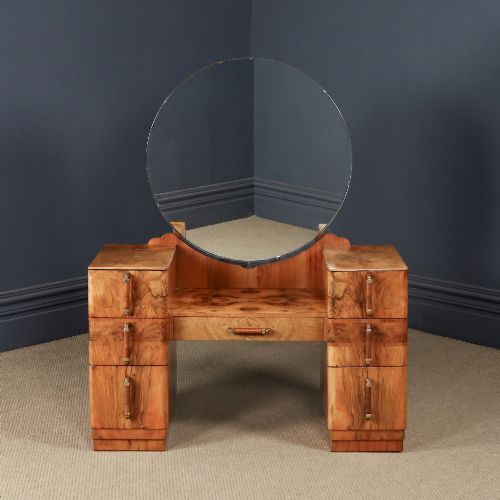
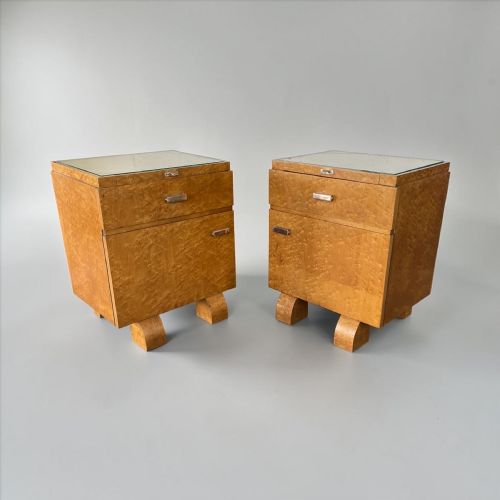
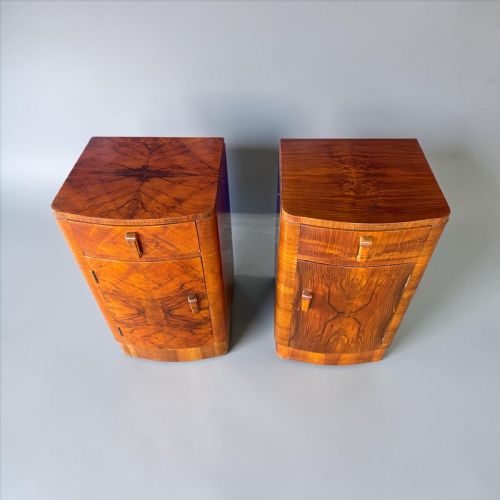
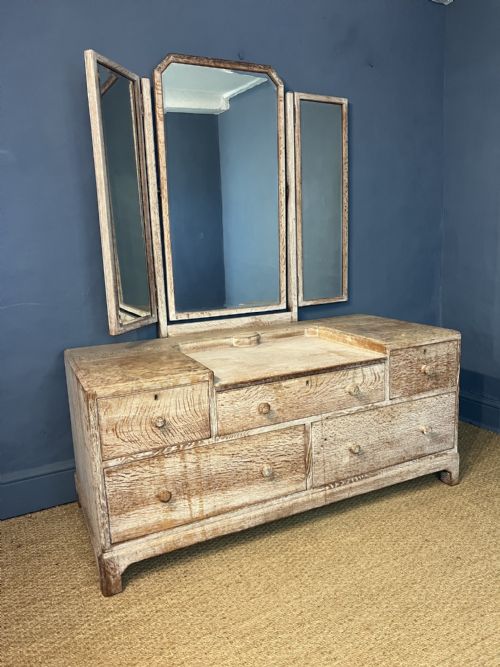
Beyond the main sleeping and storage pieces, smaller accompanying items appear frequently to complete the room layout. You find bedside tables, bedside cabinets, dressing tables with mirrors, and dedicated bedroom chairs or stools.
The objects stem predominantly from the 1930 period, with occasional examples from the 1920s, Edwardian era, and 1940. Alongside standard English and French interpretations, Scandinavian variants also contribute to the selection available.
Materials and construction methods
Cabinet makers utilised a rich palette of timbers to achieve striking visual impact on these surfaces. Walnut, burr walnut, figured walnut, oak, satinwood, sycamore, palisander, and birch feature prominently, often applied as fine veneers over stable timber cores.
Surface treatments and secondary materials define the aesthetic of the era. Makers incorporated glass mirrors, metal elements, limed finishes, bleached blonde tones, and parchment covered drawers to add texture and contrast to the timber.
Distinctions in construction and design standard
The selection of timber veneer dictates much of the visual hierarchy among these items. Highly figured grains, matched burr walnut patterns, and combinations of contrasting woods such as satinwood and walnut separate standard production from more ambitious cabinet work.
Construction complexity and integrated details set finer examples apart. Pieces featuring unusual forms, parchment coverings, matched suites, or specific maker attribution demonstrate greater design ambition than simple utility items.
Hille·Frank Taylor & Co·Bath Cabinet Makers·Harry & Lou Epstein
The 1930s Art Deco Bedroom Furniture Glossary
- Burr walnut
- A timber growth featuring swirling, irregular grain patterns highly prized for decorative veneer work on cabinet fronts. This material provides the characteristic richness seen on many dresser and wardrobe surfaces.
- Tallboy
- A tall chest of drawers, often combining a chest base with a cupboard section on top. This vertical storage form maximises floor space while offering generous capacity.
- Limed oak
- Timber treated with a specialised finish that leaves a white pigment in the open grain. This technique lightens the natural oak and appeared frequently in modern interior schemes.
- Palisander
- A dense, dark exotic hardwood utilised for high-end cabinet pieces. Its deep colour and distinct grain contrast sharply with lighter woods.
- Dressing table
- A low table equipped with a mirror and drawers for personal grooming. These units often form the focal point of a coordinated sleeping chamber suite.
1930s Art Deco Bedroom Furniture: Frequently Asked Questions
What pieces make up a complete suite?
Complete sets typically comprise a double or single bed, a wardrobe or tallboy, and a dressing table with an accompanying stool or chair. Bedside tables or cabinets round out the grouping.
These coordinated groups allowed households to furnish an entire sleeping chamber in a unified design without mixing conflicting periods or materials.
How do French and English styles differ?
French examples often lean towards dramatic silhouettes, mirrored surfaces, and exotic timber combinations such as palisander. English counterparts frequently emphasise figured walnut and oak construction.
Both origins share the underlying geometric discipline of the period while expressing distinct national preferences in surface decoration.
How do I identify limed oak pieces?
Limed oak pieces display a pale, bleached finish where a white substance highlights the open grain of the timber. This treatment gives the wood a matte, softened appearance.
Such surfaces appear on tall chests and dressing tables associated with contemporary cabinet makers of the era.
Can I mix different woods in one room?
Mixing woods such as walnut and oak occurs naturally when assembling period interiors from separate purchases. The shared geometric lines of the style provide visual consistency.
Matching the predominant tone or hardware style helps tie disparate items together within the same space.