


1920s Tribal Carpet
When you collect a 1920s tribal carpet, you acquire a durable wool textile woven with traditional regional motifs.
1920s Tribal Carpet
A 1920s tribal carpet encompasses hand-woven rugs, runners, flatweave kilims, and saddle covers originating from village and nomadic makers. Buyers searching this phrase most commonly encounter Afghan, Turkmen, Baluch, Anatolian, and Caucasian pieces dating from the early twentieth century.
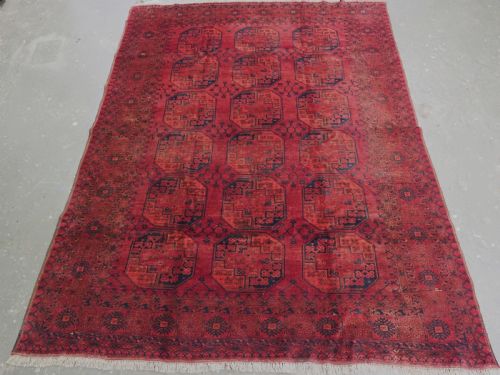
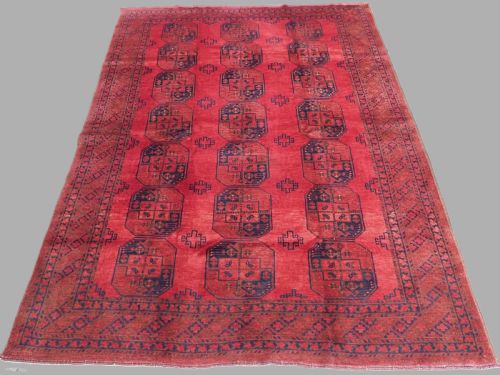
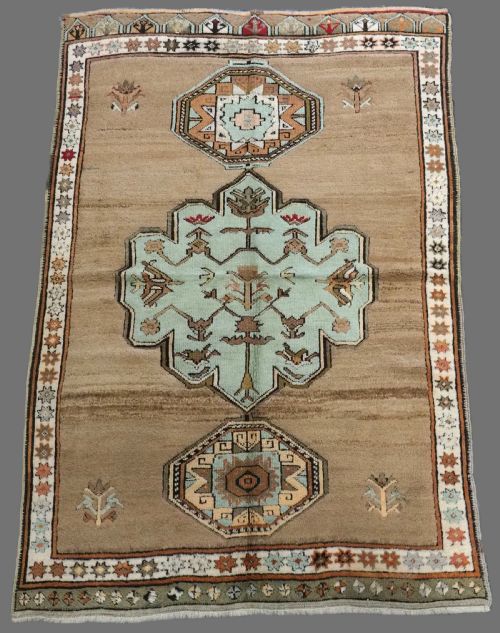
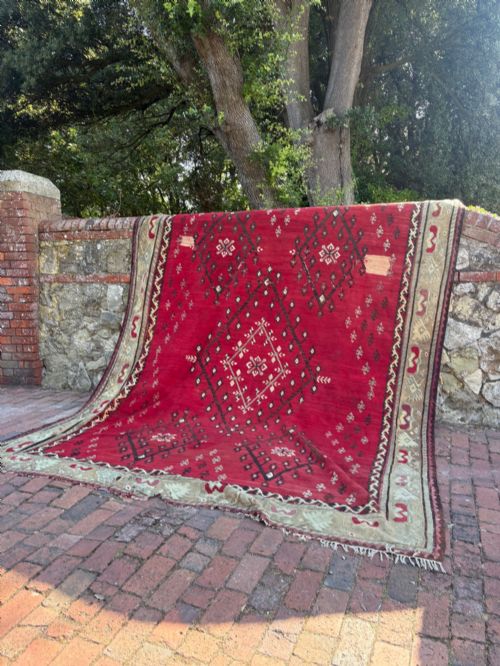
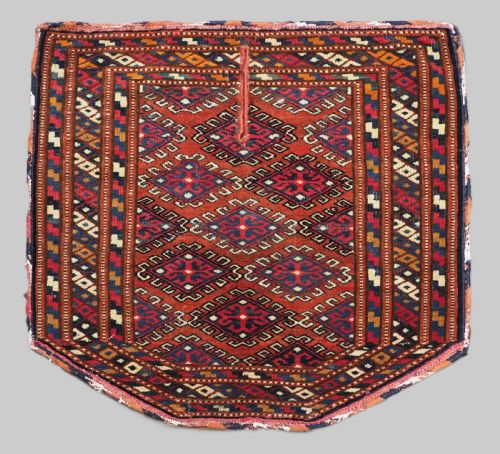
The inventory on this page includes specific forms such as mosque prayer rugs featuring mihrab arches, large area carpets with warm red ground colours, and long flatweave kelims. These textiles served practical household and nomadic functions while displaying distinctive geometric and medallion designs particular to their weaving groups.
Materials and construction
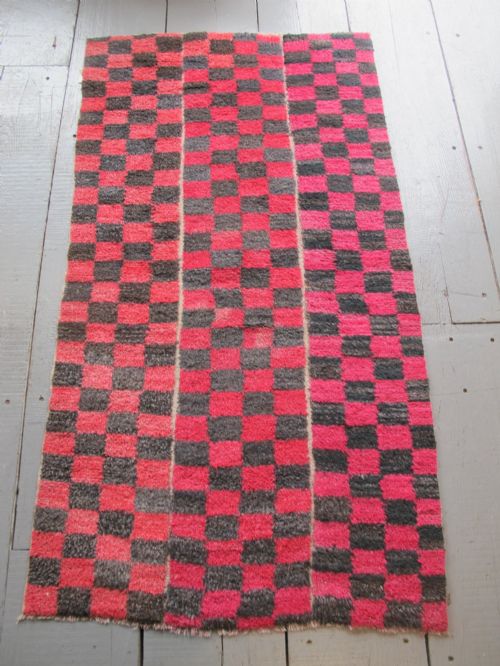
These textiles rely on hand-knotted wool and cotton foundations, occasionally incorporating camel wool or Tibetan wool depending on the regional tradition. Natural dyes provide the underlying palette, yielding soft faded patinas and warm red tones across the surviving examples.
Weavers constructed flatweave kilims and pile carpets using traditional village techniques, sometimes joining panels together or finishing pieces with long kilim ends. The resulting structures range from heavy duty hard wearing carpets to delicate meditation rugs.
The listings on this page showcase wool, cotton, and camel wool materials shaped into pile rugs, flatweave kilims, and tent bands.
Factors determining quality
Quality in these textiles rests upon the fineness of the knotting and the integrity of the wool foundation. Tighter structures and resilient hand-knotted wool produce hard wearing carpets capable of withstanding generations of use.
Visual appeal depends on the clarity of the traditional design, whether a classic gul motif, a double lantern prayer format, or a triple lobbed medallion. Natural dye variations and balanced proportions elevate certain village and tribal pieces above standard production.
The 1920s Tribal Carpet Glossary
- Kilim
- A flatweave carpet or rug made without a pile by tightly interweaving warp and weft threads. These pieces often display bold geometric bands or chevron patterns.
- Mihrab
- A niche design element found on prayer rugs, indicating the direction of prayer. Village weavers frequently render these in single, double, or triple formats.
- Gul
- A medallion or repeating octagonal motif traditional to Turkmen and Afghan weaving. It forms the primary pattern across many tribal carpets.
- Warp
- The vertical threads stretched on the loom that form the foundational skeleton of the rug. The exposed ends often terminate in kilim skirts or fringes.
- Patina
- The surface appearance acquired by wool and natural dyes through age and gentle fading. A soft faded patina indicates organic dye reactions over decades.
1920s Tribal Carpet: Frequently Asked Questions
Where were these carpets made?
These textiles originate from nomadic and village weaving traditions across regions such as Afghanistan, Anatolia, the Caucasus, and Turkmenistan. Local tribes and workshops utilised indigenous materials to produce rugs for daily domestic use.
Specific sub-groups represented include Baluch, Ersari, Yomut, and Kizil Ayak makers, each applying distinct regional patterns and colour palettes to their work.
How do I care for an antique rug?
Regular gentle vacuuming without a beater bar removes surface dust and protects the wool pile. Professional cleaning suited for antique textiles preserves the natural dyes and structural integrity.
Keeping the carpet out of direct, harsh sunlight prevents the natural colours from fading unevenly over time. Using an appropriate underlay helps reduce friction and wear on hard flooring.
What is a prayer rug?
A prayer rug is a smaller format textile traditionally used by individuals for daily devotions. They typically feature a distinct mihrab arch design pointing toward Mecca.
Designs on these pieces often incorporate mosque lamps, geometric stars, or rams horn motifs within the niche field.
How can I tell regions apart?
Regional attribution relies heavily on the specific motifs, border arrangements, and structural materials used by the weavers. For example, Turkmen and Afghan groups frequently employ repeating gul medallions and warm red wool grounds.
Caucasian and Anatolian pieces often showcase distinct geometric medallions, ivory grounds, or flatweave kilim structures unique to their respective local traditions.