

1920s Oak Tables
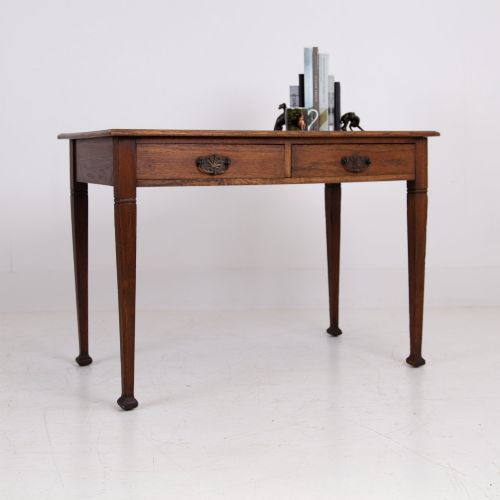
These 1920s oak tables span sturdy gateleg dining pieces and compact occasional designs that ground a room with period character.
1920s Oak Tables
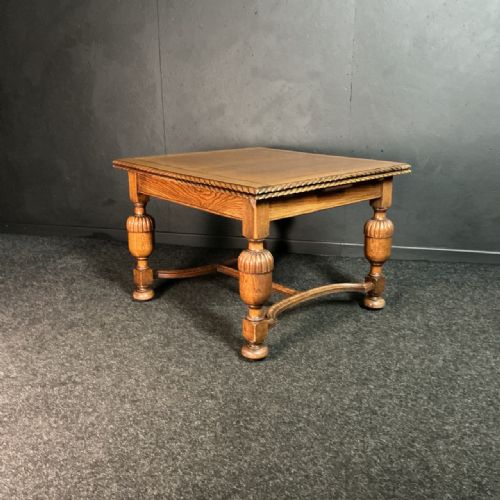
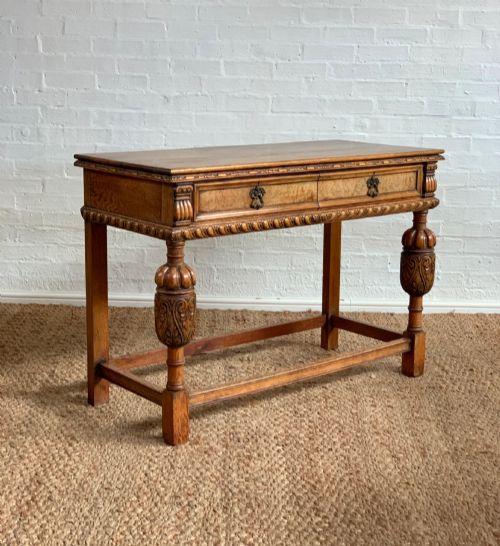
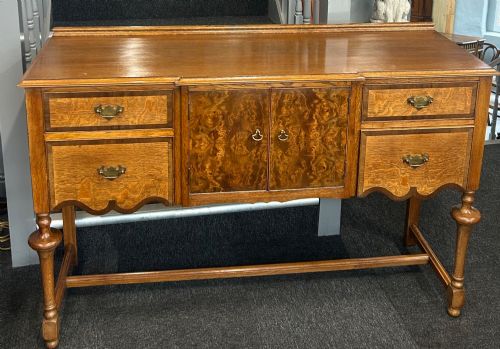
Buyers exploring 1920s oak tables encounter a diverse selection ranging from expansive refectory and draw leaf dining furniture to smaller occasional, coffee, and side tables. The material connects various aesthetic movements of the era, accommodating both revivalist tastes and modernist experiments.
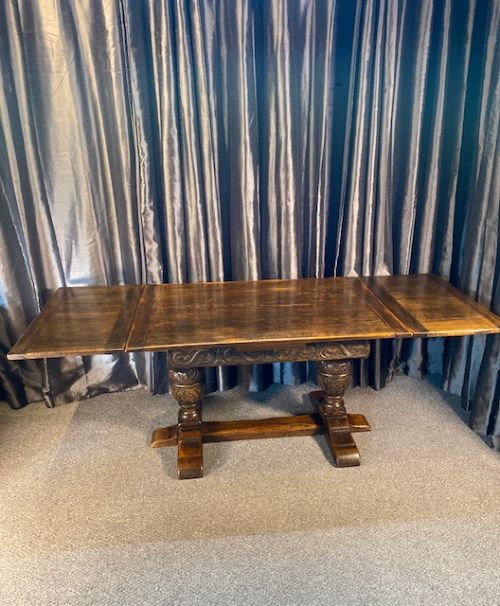
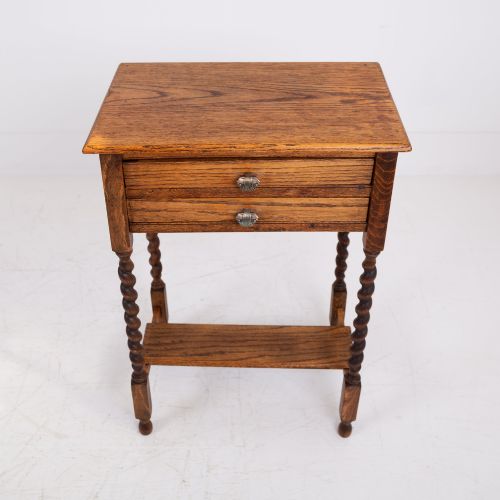
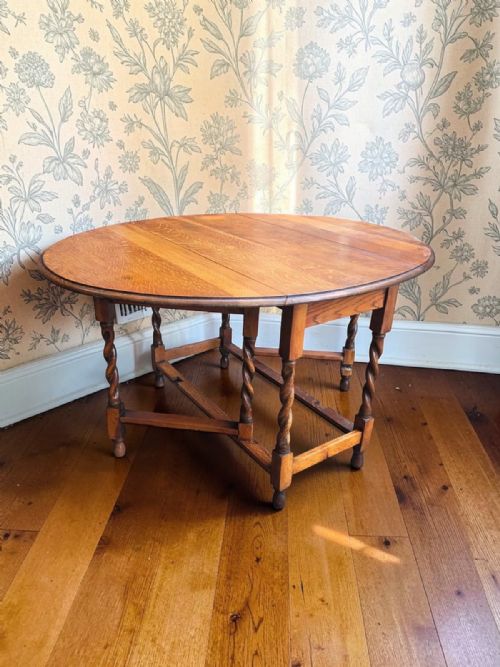
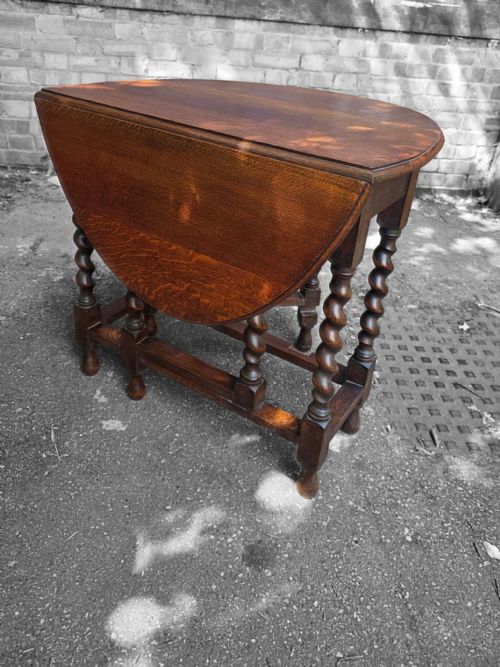
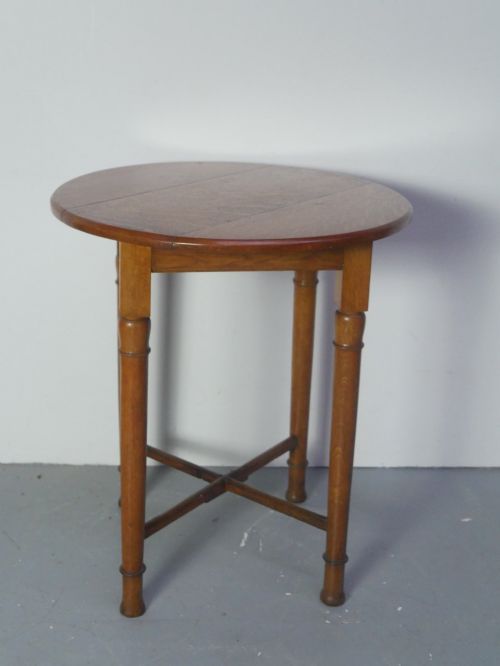
The version most frequently met on this page is the gateleg or drop leaf dining table, alongside smaller side tables often detailed with turned supports. These practical domestic forms demonstrate how cabinet makers adapted traditional British timbers to suit interwar homes.
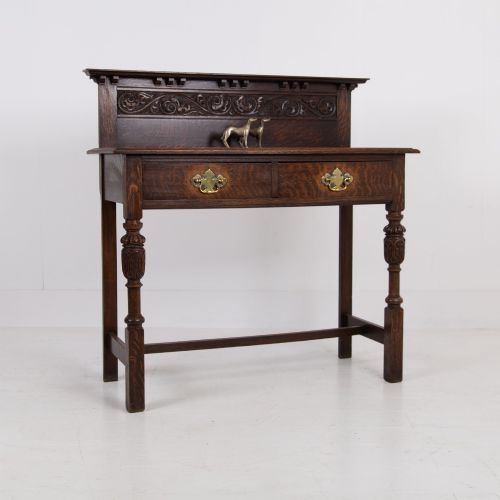
While the decade is defined by the 1920s, influences stretch from Edwardian workshops through to 1930s modernism, incorporating styles such as Jacobean Revival, Arts and Crafts, and Art Deco. This variety ensures that pieces integrate readily into both period properties and contemporary interiors.
Distinctions in construction and design
The distinction between standard commercial output and superior craftsmanship rests on timber selection and the precision of the joinery. Pieces utilising quartered oak exhibit finer medullary rays, indicating a more deliberate sawing method than plain-sawn equivalents.
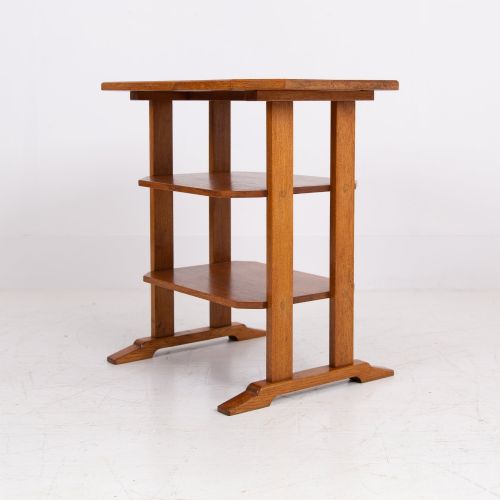
Design ambition separates basic utility items from works associated with known makers and progressive schools like the Cotswold group or Amsterdam School. Refined proportions, integrated secondary woods, and carved detailing elevate certain tables beyond straightforward utilitarian furniture.
Listings demonstrate a strong presence of Jacobean Revival and Art Deco styles applied to solid oak frames.
Beresford & Hicks London·Betty Joel·Heals
The 1920s Oak Tables Glossary
- Gateleg table
- A table with hinged drop leaves supported by swing-out legs that pivot from the frame to hold the flaps horizontal. This form maximises surface area when extended while folding flat for compact storage.
- Draw leaf table
- A dining table featuring concealed leaves beneath the main top that pull out from each end to extend the surface. It provides a stable mechanism for expanding seating capacity without removing loose panels.
- Quartered oak
- Timber cut radially from the log perpendicular to the growth rings, producing a distinct stripe and flake figure known as medullary rays. This method yields a more stable board that resists warping.
- Jacobean Revival
- A decorative style popular in the early twentieth century that copies seventeenth-century English motifs such as heavy turned legs, geometric panels, and carved friezes. It reflects a nostalgic turn toward domestic heritage.
- Barley twist
- A spiral turning technique applied to table legs and stretchers, resembling a twisted rope. This ornamental detail appears frequently on English oak furniture from the period.
1920s Oak Tables: Frequently Asked Questions
How do I identify a 1920s oak table?
Look for construction traits characteristic of the interwar period, such as solid oak timbers, barley twist legs, and functional gateleg or draw leaf mechanisms. Stylistic clues often point toward revivalist movements or early modernist experiments.
Compare the proportions and secondary woods against known design idioms of the decade to confirm the manufacturing era.
Were these tables used for dining or daily living?
These tables served multiple domestic functions, operating as expandable dining furniture in family homes or as compact side and occasional tables in hallways and sitting rooms. Drop leaf and gateleg designs offered flexibility in smaller interior spaces.
Their robust construction ensured they could withstand regular utility across various rooms.
How do I care for antique oak furniture?
Maintain the wood by applying suitable natural waxes periodically to nourish the grain and protect the finish from moisture. Avoid placing oak tables in direct sunlight or near heat sources to prevent timber movement.
Dust regularly with a soft, dry cloth to preserve the surface patina accumulated over the decades.
What is the difference between Arts and Crafts and Jacobean Revival styles?
Arts and Crafts pieces emphasise honest construction, visible joinery, and the natural qualities of quartered oak without excessive ornamentation. They reflect a philosophy centered on skilled handcraft.
In contrast, Jacobean Revival furniture draws heavily on seventeenth-century decorative vocabulary, featuring dark finishes, heavy turned supports, and elaborate carved friezes.