



Twentieth Century Side Tables
Twentieth century side tables offer practical surfaces in walnut, mahogany, and oak, bringing period character and sturdy utility into a modern room.
Twentieth Century Side Tables
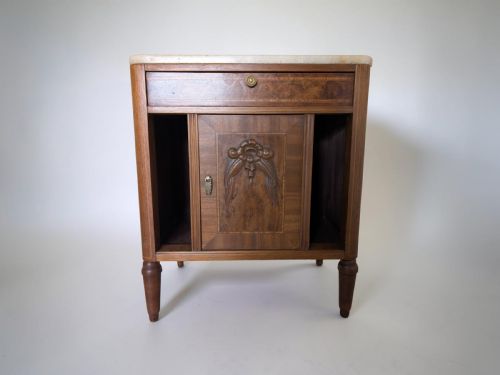
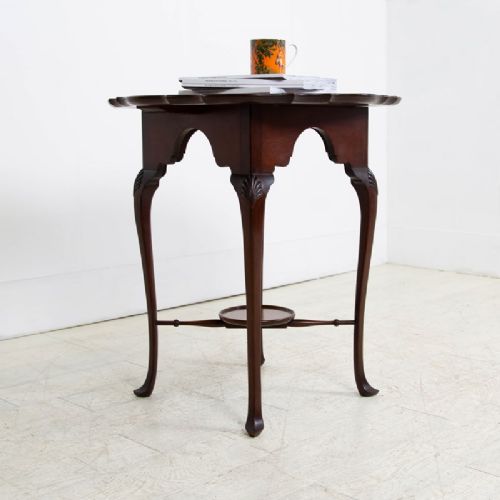
Twentieth century side tables encompass a broad spectrum of domestic furniture, ranging from simple oak designs to more decorative walnut and mahogany occasional pieces. Buyers searching for twentieth century side tables frequently encounter functional forms like drop leaf tables, bedside cabinets, and small coffee tables alongside grander console tables.
The pieces appearing in this category reflect varied stylistic revivals and early twentieth century domestic requirements. Edwardian examples and pieces from the nineteen-twenties and nineteen-thirties demonstrate the persistence of traditional furniture forms well into the modern era.
Makers such as Shapland and Petter produced utilitarian yet refined occasional items during this timeframe. These tables often served multi-purpose roles in period interiors, functioning as lamp stands or bedside storage.
How they were made
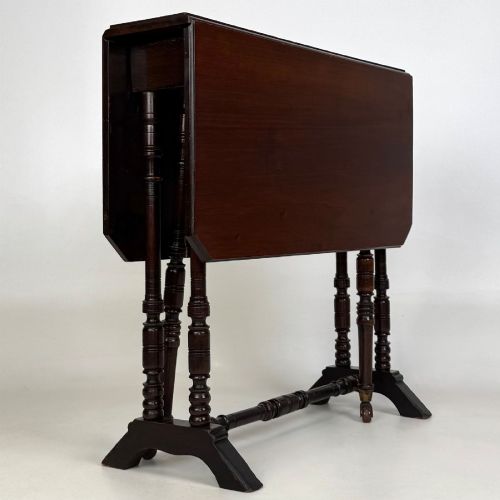
Construction relies heavily on traditional timber working, utilising solid and figured walnut, mahogany, and oak for frames, tops, and structural supports. Cabinetmakers employed techniques such as drop leaf mechanisms and gateleg designs to maximise space and utility in smaller domestic settings.
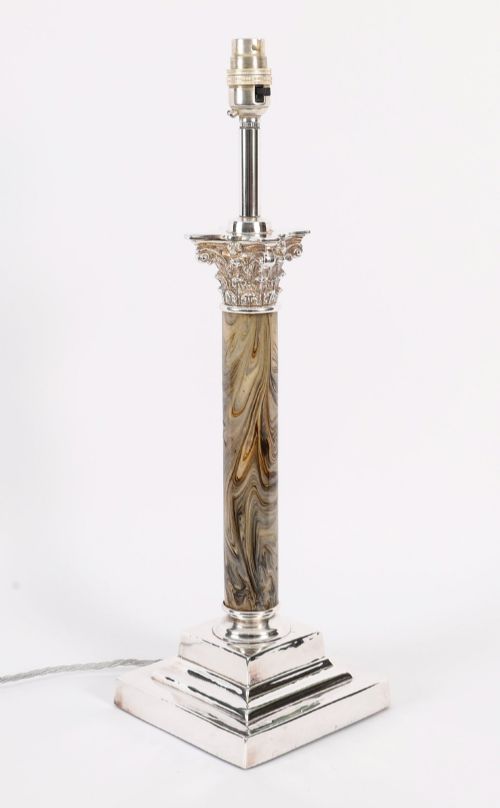
Metal elements including brass and silver plate appear as decorative mounts, columns, or structural fixtures, particularly on neoclassical revival and early twentieth century lighting pieces. Marble tops also feature on select console pieces, providing a durable and contrasting surface texture.
Twentieth Century Side Tables Retail Price Guide 2026
Typical asking prices for twentieth century side tables among the pieces listed under this phrase on Sellingantiques today, from the lower quarter to the upper quarter. They describe what is for sale here now, not the wider market.
The furniture spans from early Edwardian productions through to nineteen-forties designs.
What varies in quality
The distinction between standard and superior pieces rests upon timber selection and cabinetmaking finesse, such as the use of highly figured walnut veneers over plain hardwoods. Maker attribution, as seen in stamped or labelled works by established firms, elevates the standing of an individual table.
Proportion and decorative restraint dictate the aesthetic success of revival styles, distinguishing finely balanced neoclassical or Jacobean interpretations from heavier, less considered workshop output.
Shapland and Petter
The Twentieth Century Side Tables Glossary
- Drop leaf table
- A table with hinged flaps on either side that can be folded down to save space or raised to increase surface area. These designs are particularly useful for flexible living arrangements.
- Gateleg table
- A type of table featuring hinged legs that swing out like a gate to support the raised leaves. This construction provides robust support for drop leaf surfaces.
- Occasional table
- A small, light table intended for sporadic use rather than primary dining or desk work. They function as convenient ledges for lamps and books.
- Neoclassical revival
- A late nineteenth and early twentieth century style drawing inspiration from classical Greek and Roman architecture and decorative arts. It emphasises symmetry, straight lines, and classical motifs.
Twentieth Century Side Tables: Frequently Asked Questions
What materials were used?
These items utilise a variety of solid and veneered timbers including mahogany, walnut, and oak. Brass, metal, marble, and silver plate also appear across the surviving pieces.
Craftsmen selected these materials both for structural durability and decorative appearance, matching the prevailing stylistic revival of the period.
How do I identify the period?
Dating relies on observable construction methods, timber choices, and stylistic markers recorded in cabinetmaking history. Pieces often reflect Edwardian tastes or later revivals.
Comparing design details against documented examples from specific decades helps establish a clearer timeline for manufacture.
Where were they placed?
These tables served various functional roles in domestic interiors, acting as bedside cabinets, lamp stands, or hall furniture. Their compact dimensions suited them to smaller spaces.
Console tables and drop leaf designs provided adaptable surfaces for reception rooms and hallways.
Are revival styles common?
Revival designs dominate this era, drawing heavily on earlier aesthetics such as Jacobean, Queen Anne, and Louis XVI styles. Cabinetmakers reinterpreted these historic forms for twentieth century homes.
These pieces combine traditional decorative vocabularies with the practical sizing required by contemporary buyers.