



1920s Fine Art
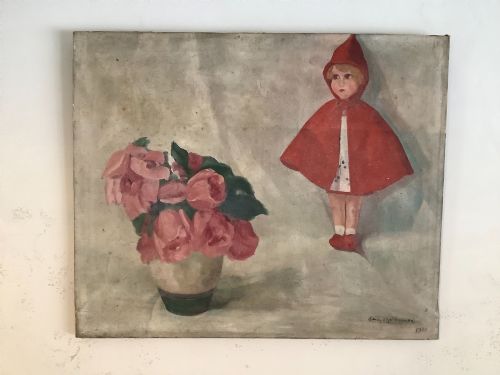
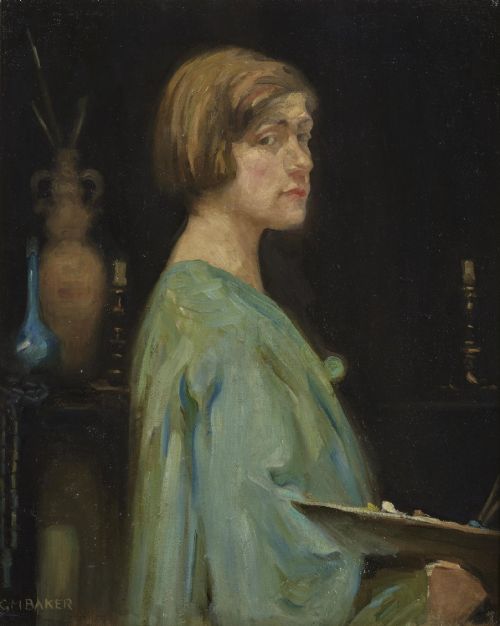
When seeking 1920s fine art, collectors encounter paintings, drawings, and sculptures capturing early twentieth-century modernism and portraiture.
1920s Fine Art
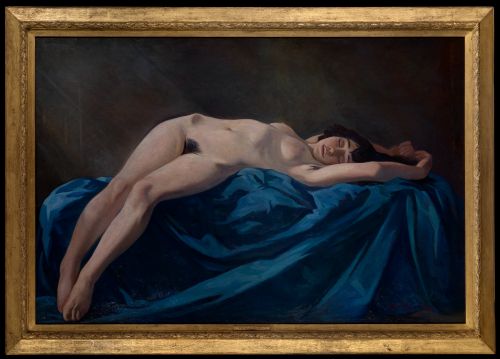
A search for 1920s fine art reveals canvases, works on paper, and sculptural pieces created during a period of distinct stylistic experimentation. The selection ranges from oil paintings and charcoal drawings to signed artist proofs and glazed terracotta sculptures.
Buyers frequently encounter portraits, avant-garde compositions, and naive works originating from British, French, and Flemish creators. These pieces reflect movements such as Fauvism, realism, and early twentieth-century modernism.
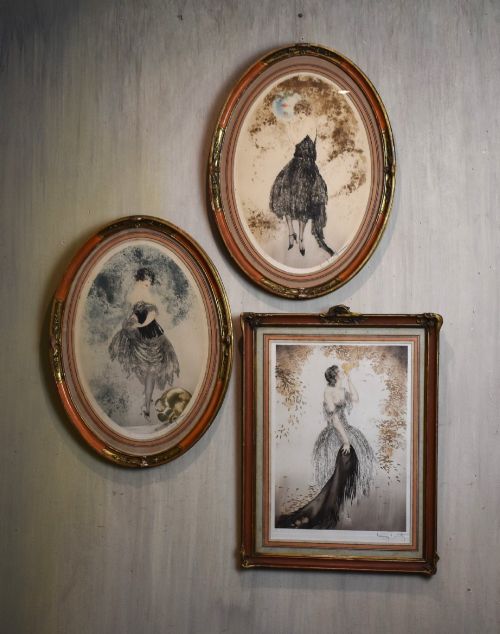
Beyond paintings, the category extends to prints and illustrative works by notable figures of the decade. Each object carries the specific aesthetic markers of the interwar years, preserved on canvas, paper, or panel.
Materials and methods
Paintings within this group rely principally on oil paint applied to canvas or panels, capturing textures unique to the period's brushwork. Artists also utilised charcoal on paper for detailed preparatory studies and finished graphic works.
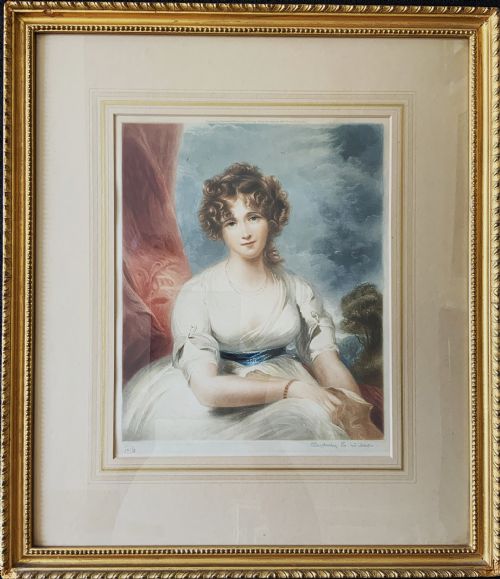
Sculptural works demonstrate the use of glazed terracotta, cast to achieve precise surface finishes and rich patinas. Engraving techniques appear in artist proof mezzotints, requiring careful plate manipulation to secure tonal depth.
Listings feature oil on canvas, charcoal on paper, and glazed terracotta from the 1920s.
Factors of distinction
Quality in these works rests upon the strength of the composition, the clarity of the artist's hand, and the preservation of the original surface. Masterpieces by recognised avant-garde or Fauve figures display superior draughtsmanship and bolder conceptual execution.
Condition plays a central role, distinguishing works retained in pristine original frames with intact paint layers from those requiring extensive conservation. Signed pieces and documented artist proofs command greater consideration among serious collectors.
Eric Robertson·Gladys Marguerite Baker·Louis Icart·Sydney Wilson·Raymond Moritz·Georges Goursat·Girieud·Jean Hippolyte Marchand·Ary Bitter
The 1920s Fine Art Glossary
- Fauvism
- An early twentieth-century style characterised by vibrant colours and bold brushwork. Practitioners emphasised painterly qualities over realistic representation.
- Artist Proof
- An impression of a print taken in limited numbers for the artist's own use. These typically precede the main published edition.
- Mezzotint
- A printmaking process of the intaglio family where the plate is roughened to achieve deep tones. It allows for smooth gradations of light and shade.
- Encaustic
- A painting method involving heated beeswax mixed with coloured pigments. The mixture is applied to a surface such as wood or canvas.
1920s Fine Art: Frequently Asked Questions
How do I identify a genuine 1920s painting?
Examine the materials, stretcher frames, and canvas preparation typical of the interwar period. Pigments, canvas ageing, and artist signatures or exhibition labels often provide reliable chronological markers.
Compare the stylistic execution against documented works by contemporaries of the decade. Academic portraits and avant-garde compositions both adhere to the specific palette and handling of the era.
Where were most 1920s artworks produced?
European artistic hubs, particularly Paris and London, served as the primary centres for production during this decade. Studios across France and Britain generated the bulk of paintings and sculptures seen today.
Regional variations also emerge from Flemish and German workshops. These regional centres contributed distinct naive and modernist interpretations to the broader artistic landscape.
How should I display period paintings?
Keep works away from direct sunlight and fluctuating humidity to protect oil pigments and paper supports. Stable indoor climates prevent canvas warping and degradation of the underlying materials.
Pair canvases with period-appropriate frames that complement the aesthetic of the 1920s. Proper hanging hardware ensures the weight of framed oils and terracotta pieces is safely supported.
What defines avant-garde works from this era?
Avant-garde pieces reject traditional academic representation in favor of experimental forms and perspectives. Artists associated with Fauvism and early cubism prioritized emotional expression and abstract composition.
These works often challenge conventional subject matter, utilising unconventional mediums like encaustic or bold, non-naturalistic colour palettes. They represent the radical shift in visual culture following the First World War.