
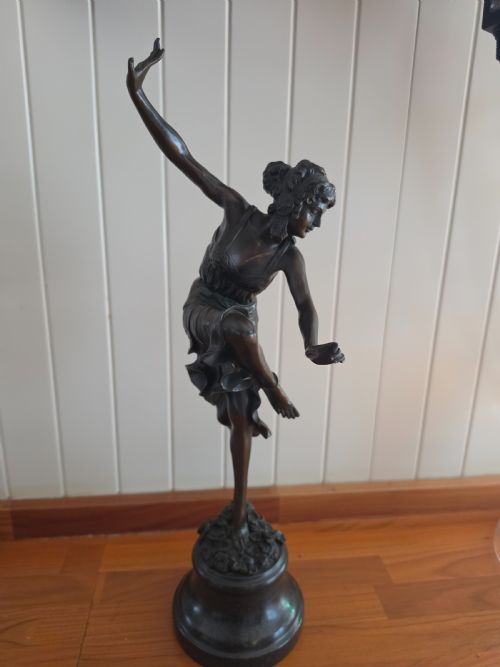


1920s Female Dancer Sculpture
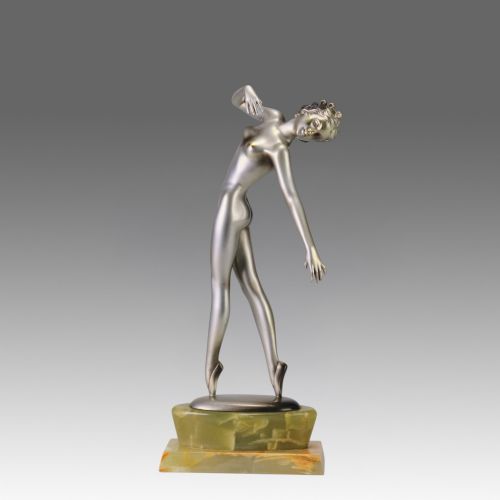
A 1920s female dancer sculpture captures the dynamic spirit of Art Deco movement, offering collectors a striking embodiment of period elegance.
1920s Female Dancer Sculpture
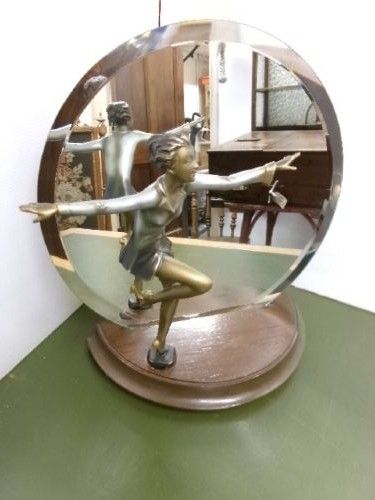
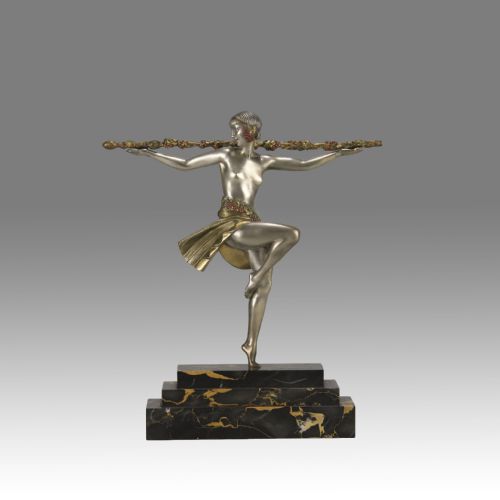
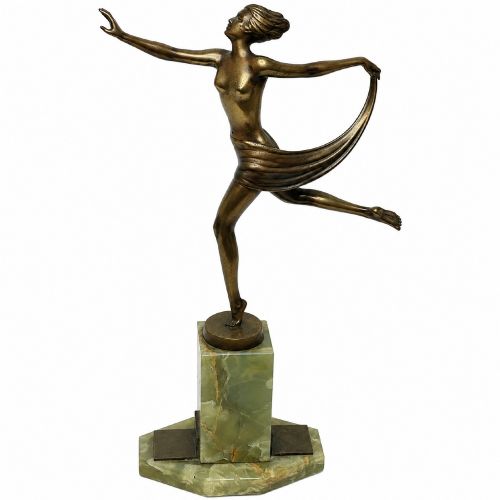
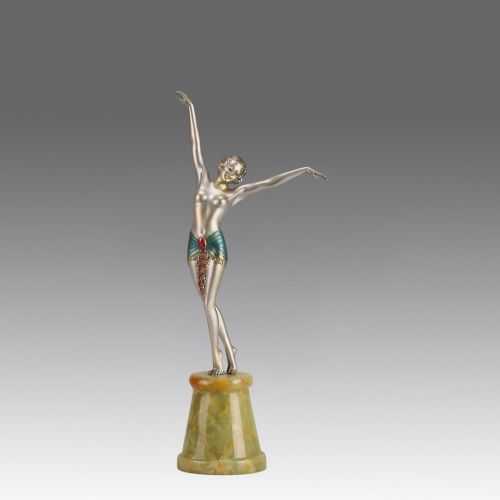
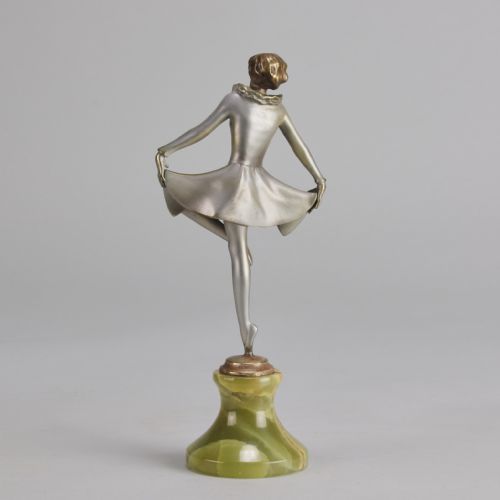
A 1920s female dancer sculpture typically takes the form of an Art Deco figure captured in motion, balancing on integrated or separate bases. These works reflect the fascination with modern dance, theatrical performance and exoticism that defined the period.
The selections found here span sculptures, statuettes and wall plaques originating predominantly from the 1920s and 1930s, with occasional examples extending later than 1960. Forms range from solo ballerinas and scarf dancers to named characters from classical and orientalist traditions.
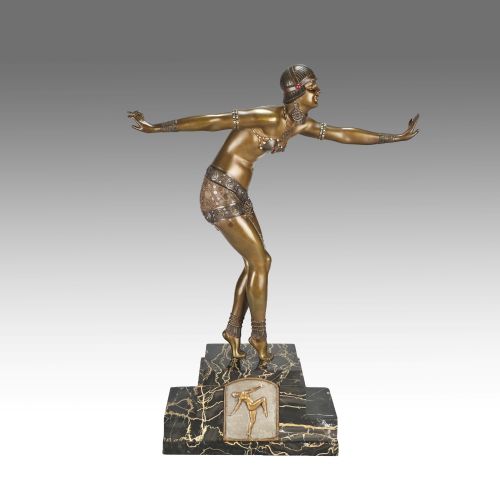
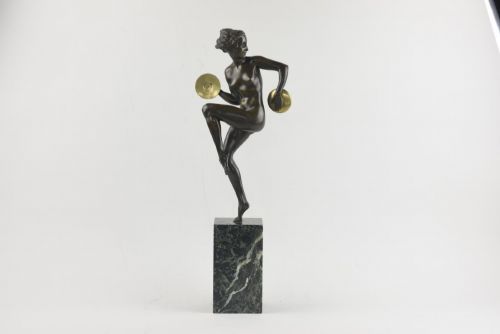
Buyers encounter subjects such as Egyptian dancers, Bacchic performers and high-kick figures depicted with outstretched arms or poised in mid-step. Many pieces are mounted upon heavy stone plinths to provide stability and visual contrast.
How They Were Made
Foundries utilised bronze, silvered bronze, gilt bronze and spelter as the primary metal mediums, often casting figures with intricate detail. Cold painting and gilding techniques added surface colour and metallic brilliance to garments and hair.
Makers integrated natural stones such as marble, onyx and alabaster to form supportive bases and architectural backdrops for the metal figures. Certain sophisticated examples incorporate carved ivory elements in chryselephantine compositions.
Listings feature works from the 1920s, 1930s and later periods, employing bronze, marble, onyx and cold paint in Art Deco styles.
What Varies in Quality
Quality rests upon the crispness of the casting and the precision of the chiselling applied after the metal leaves the mould. Superior examples retain sharp facial expressions, delicate hand gestures and fluent drapery folds.
The preservation of original surface treatments, including cold-painted polychromy and fire-gilding, dictates the desirability of a piece. Finer sculptures also utilise substantial, well-finished bases of genuine marble or onyx rather than substitute materials.
Pierre le Faguays·Josef Lorenzl·Demetre Chiparus·Aurore Onu·C J R Colinet·Maurice Guiraud Riviere·Paul Philippe·Rene Andre Varnier·Paul de Boulogne·Bruno Zach
The 1920s Female Dancer Sculpture Glossary
- Art Deco
- The dominant design style of the 1920s and 1930s, characterised by streamlined geometric forms and dynamic representations of speed and movement. It influenced sculptors to embrace slender silhouettes and theatrical subjects.
- Cold-painted bronze
- A technique where oil paint is applied to a bronze sculpture after casting without subsequent firing. This method allowed makers to render vibrant costumes on figures.
- Chryselephantine
- A composite method combining metal, usually bronze, with carved ivory for the flesh portions of a figure. The style achieved popularity in luxury European statuary during the period.
- Spelter
- A zinc alloy utilised as a less costly alternative to bronze for sculptural casting. It accepted patination and metallic paint finishes effectively.
- Patination
- The chemical or applied surface colouring that develops or is placed on metal sculpture. It alters the tone of bronze from golden yellow to deep brown or green.
1920s Female Dancer Sculpture: Frequently Asked Questions
What materials make up a 1920s female dancer sculpture?
These sculptures utilise cast metals including bronze, silvered bronze, gilt bronze and spelter. Many examples incorporate cold-painted pigments or gilding to highlight the clothing and hair.
Stones such as marble, onyx and alabaster provide heavy structural bases for the figures. A select group of luxury works also combines metal with carved ivory.
How do I identify the period of these figures?
Dating relies upon the distinct Art Deco aesthetic, which prioritises stylised movement, slender human proportions and modernist costume design. The presence of contemporary foundry signatures and typical material combinations further supports attribution.
Most pieces date strictly from the 1920s and 1930s eras of European sculpture production. Later reproductions or reinterpretations occasionally appear from decades following.
How were these sculptures displayed originally?
Makers designed these figures to sit upon polished wooden furniture, mantelpieces or dedicated pedestals within domestic interiors. Their compact statuette scale suited prominent placement in reception rooms and hallways.
Wall plaques offered an alternative format for hanging decorative dancer reliefs directly onto plaster surfaces. Heavy stone bases ensured the upright figures remained stable during placement.
What subjects inspired the dancers?
Sculptors drew inspiration from contemporary ballet, cabaret performances and exotic theatrical productions touring European capitals. Famous performers and ancient historical archetypes also influenced specific named portrait figures.
Motifs ranged from Egyptian and oriental themes to Bacchic revelry and modern athletic movement. The resulting works translate ephemeral stage performance into permanent metal form.