


Silver Dancer Statue
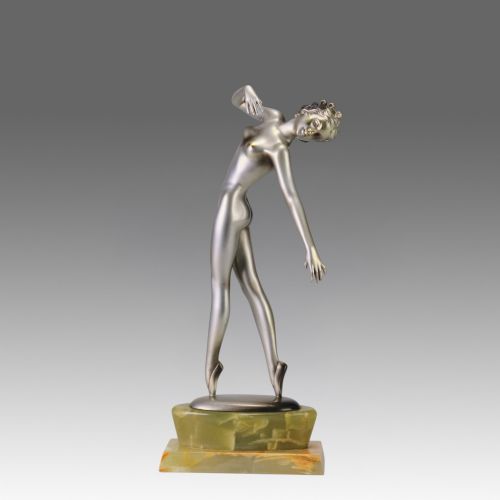
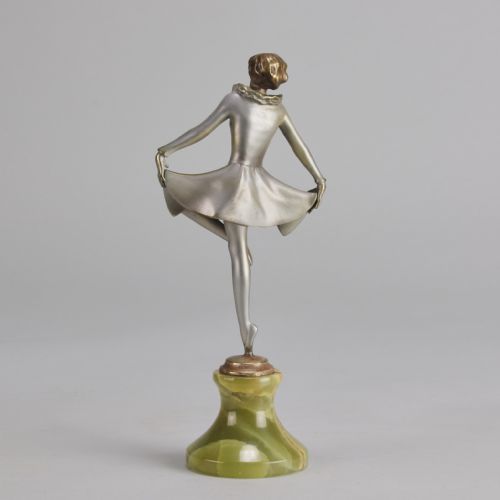
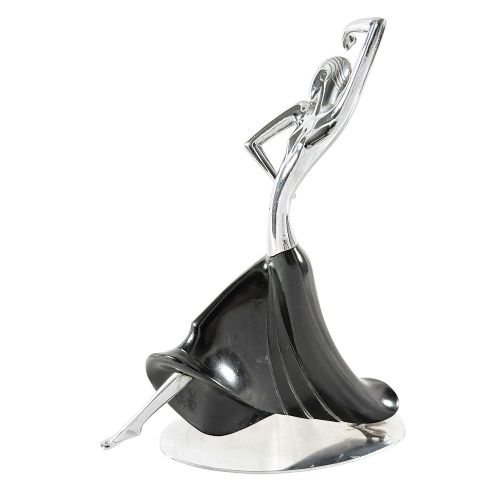
A silver dancer statue captures the kinetic energy of the Art Deco era through figures poised in mid-movement upon solid plinths.
Silver Dancer Statue
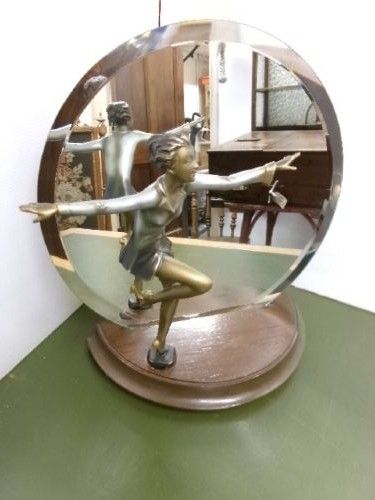
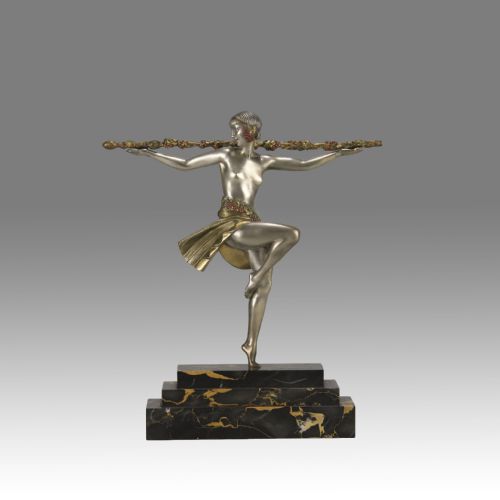
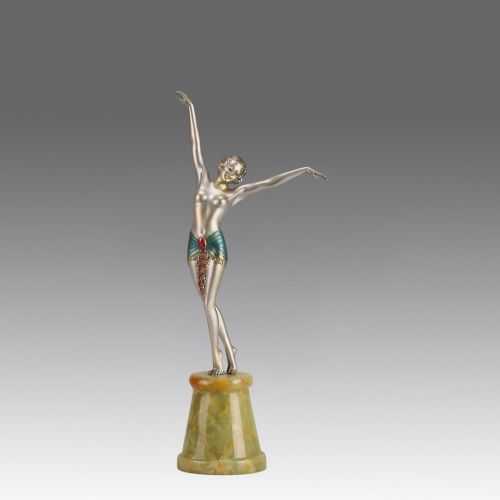
A silver dancer statue embodies the distinct aesthetic of the Art Deco period, capturing the dynamic motion of female figures in movement. These sculptures present women balancing on one foot, extending their arms, or swirling with scarves.
The pieces on this page emerge predominantly from the decades of the 1920s and 1930s. They take the form of sculptures, figurines, and statuettes designed to stand as tabletop centrepieces or cabinet displays.
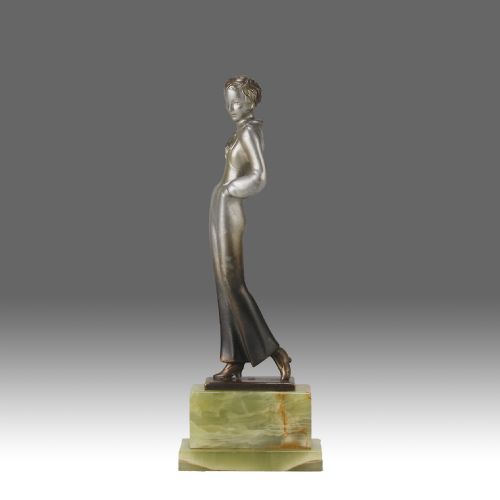
Most examples combine a metallic dancing figure with a substantial mineral base, frequently utilising stone to ground the upward momentum of the pose.
Materials and construction methods
Foundries employed casting techniques to shape bronze, silvered bronze, spelter, and chrome plate into intricate human forms. Artisans then applied cold paint finishes or silver plating to achieve the metallic sheen and surface detail on garments and hair.
Bases were constructed from natural stones including marble and onyx, occasionally incorporating wood or glass elements to complement the metallic sculpture above.
Listings feature works from the 1920s and 1930s, utilising bronze, spelter, marble, and onyx.
Distinctions in craftsmanship
The choice of base material influences the integrity of the piece, with dense, finely polished marble and onyx providing a weightier counter-balance than simpler wooden supports.
Pierre le Faguays·Josef Lorenzl·Claire Jeanne Roberte Colinet·Demetre Chiparus
The Silver Dancer Statue Glossary
- Cold-painted bronze
- A technique where bronze figures are painted with oil-based paints that are allowed to dry without high-temperature firing. This method permits fine polychrome detailing on clothing and skin.
- Spelter
- An alloy of zinc and lead used as a cost-effective alternative to bronze in decorative metalwork. It is softer and lighter than bronze.
- Silvered bronze
- Bronze metal treated with a silver coating to provide a bright, reflective finish. It differs from solid silver through its underlying copper-alloy composition.
- Art Deco
- A design style spanning the 1920s and 1930s characterised by streamlined forms, geometric shapes, and a focus on modern movement. It heavily influenced sculpture and decorative arts.
- Onyx
- A banded variety of chalcedony quartz frequently used for decorative statue bases during the early twentieth century. Its natural translucence adds depth to the plinth.
Silver Dancer Statue: Frequently Asked Questions
Where should I display these statues?
Place the sculpture on a sturdy surface at eye level, such as a mantelpiece or a dedicated display cabinet, where the balance of the pose remains secure. Ensure the location receives indirect light to protect the painted or silvered surfaces from fading.
Keep the pieces away from heat sources and high humidity to preserve the integrity of the stone bases and the painted metal finishes.
Are these figures mounted on original bases?
Most period figures retain their original marble or onyx bases, which were selected by the foundries to support the dynamic weight distribution of the dancers. The proportions between the stone plinth and the metal figure usually indicate authenticity.
Inspect the underside of the base for period mounting bolts and felt pads, which help confirm the assembly matches twentieth-century workshop practices.
How do I distinguish bronze from spelter?
Bronze offers a heavier weight and a cooler touch, showing sharp detail in the fingers, face, and drapery. Spelter feels lighter and softer, sometimes showing minor casting flaws or bubbling beneath the silvered surface.
A magnet does not stick to either material, but the density and crispness of the casting remain the clearest indicators of the metal used.