




French Bronze Dancer Figurine
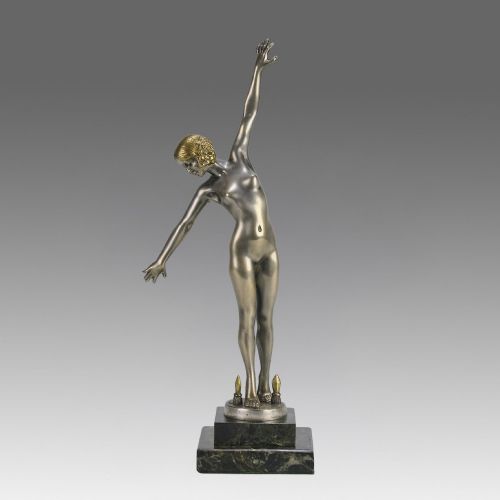
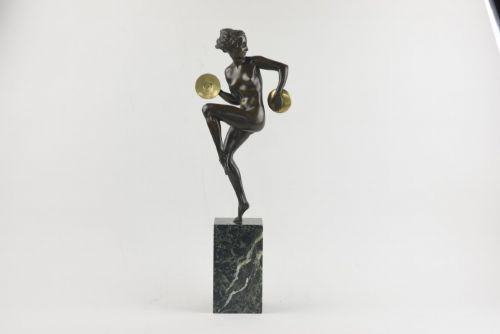
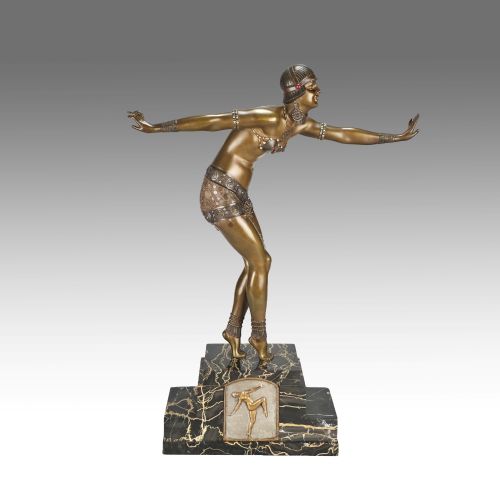
A french bronze dancer figurine captures the motion and glamour of the early twentieth century.
French Bronze Dancer Figurine
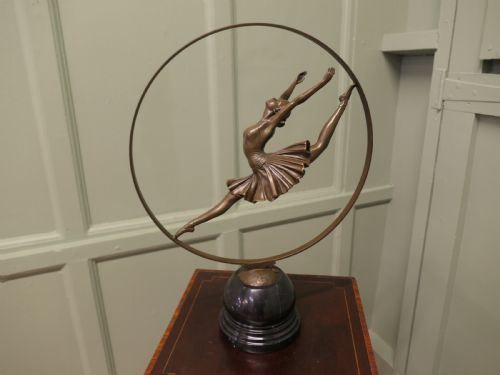
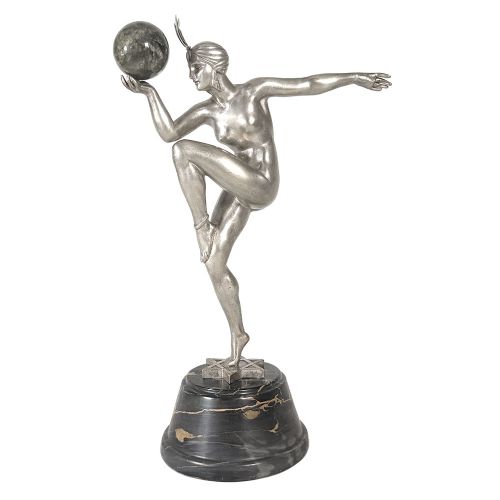
A french bronze dancer figurine captures movement through sculptural forms spanning the nineteenth century to the Art Deco period. These figures take the shape of women posed in motion, sometimes mounted on sturdy bases.
The version most commonly met on this page is the Art Deco dancer from the nineteen-twenties and nineteen-thirties, embodying the dynamism of the era. Earlier examples lean towards nineteenth-century classical postures and Art Nouveau fluidity.
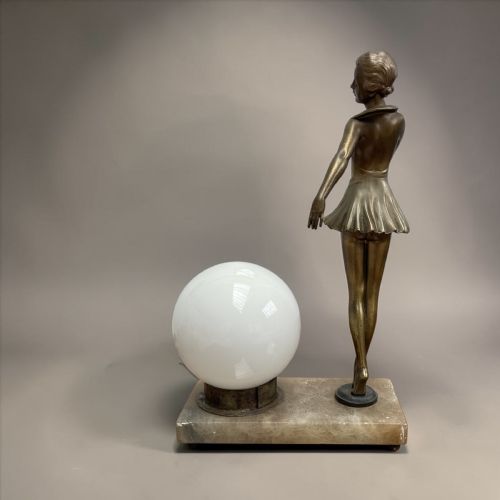
Makers rendered these subjects as standalone statuettes, lamp bases and small groups. The figures often depict specific characters, such as Egyptian, Bacchic or hoop dancers.
Materials and Technique
Foundries cast these figures in bronze or spelter, often finishing the metal with patination, silvering or gilding to enhance texture. Cold-painted pigments add colour to specific details on the garments and hair.
Many of these sculptures incorporate mixed media, setting the metal figures upon plinths of marble or onyx. Chryselephantine examples combine bronze components with carved ivory for the faces and hands.
French Bronze Dancer Figurine Retail Price Guide 2026
Typical asking prices for french bronze dancer figurine among the pieces listed under this phrase on Sellingantiques today, from the lower quarter to the upper quarter. They describe what is for sale here now, not the wider market.
Pieces date from the nineteenth century, nineteen-ten, nineteen-twenty, and nineteen-thirty periods.
Judging Quality
Quality rests in the crispness of the casting and the sensitivity of the chisel work applied after the metal cools. Superior pieces retain sharp details in fingers, drapery and facial expressions.
The integration of the figure with its base demonstrates the maker's care. Well-balanced compositions maintain stability and proportion without awkward joins between the metal and the stone.
Pierre le Faguays·Demetre Chiparus·Aurore Onu·C J R Colinet·Maurice Guiraud Riviere·Paul Philippe·Pierre Laurel·Eugène Désiré Piron·Jean Jacques Pradier·Charlotte Monginot·Albert Ernest Carrier-Belleuse·Francisque Joseph Duret
The French Bronze Dancer Figurine Glossary
- Spelter
- A zinc alloy used as a cost-effective alternative to bronze. It accepts patination and metallic finishes readily.
- Chryselephantine
- A sculpture combining metal with ivory. This technique highlights the contrast in textures between skin and costume.
- Patination
- The chemical treatment or natural ageing applied to metal surfaces. It creates varied tones ranging from dark brown to green.
- Cold-painted
- A method where paint is applied to cured metal without heat firing. It allows for intricate polychrome details on garments.
- Onyx
- A banded variety of chalcedony used frequently for heavy sculptural bases. Its variegated stone grain offers a decorative support.
French Bronze Dancer Figurine: Frequently Asked Questions
What periods do these dancer figures cover?
The selections span from the nineteenth century through the nineteen-tens, nineteen-twenties and nineteen-thirties. The majority reflect the modernist sensibilities of the interwar years.
Art Nouveau and nineteenth-century classical styles also appear among the earlier groupings.
How are bronze and spelter told apart?
Bronze is a heavy copper alloy that responds to fine chasing and holds crisp detail. Spelter is softer, lighter and typically shows a more brittle fracture if damaged.
Inspect the underside or unpainted edges where the base metal reveals its true grain.
Where should a figurine be displayed?
Place these sculptures on sturdy surfaces away from direct sunlight and fluctuating humidity. Marble and onyx bases require stable furniture to support their weight.
Keep them clear of heating vents to protect mixed media elements like ivory and applied paint.