

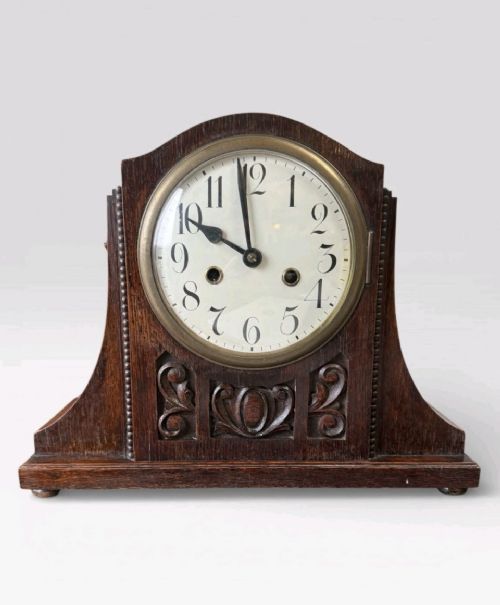


1920s Art Deco Clock
A 1920s art deco clock brings geometric discipline and striking materials to a mantelpiece, offering both reliable timekeeping and bold period design.
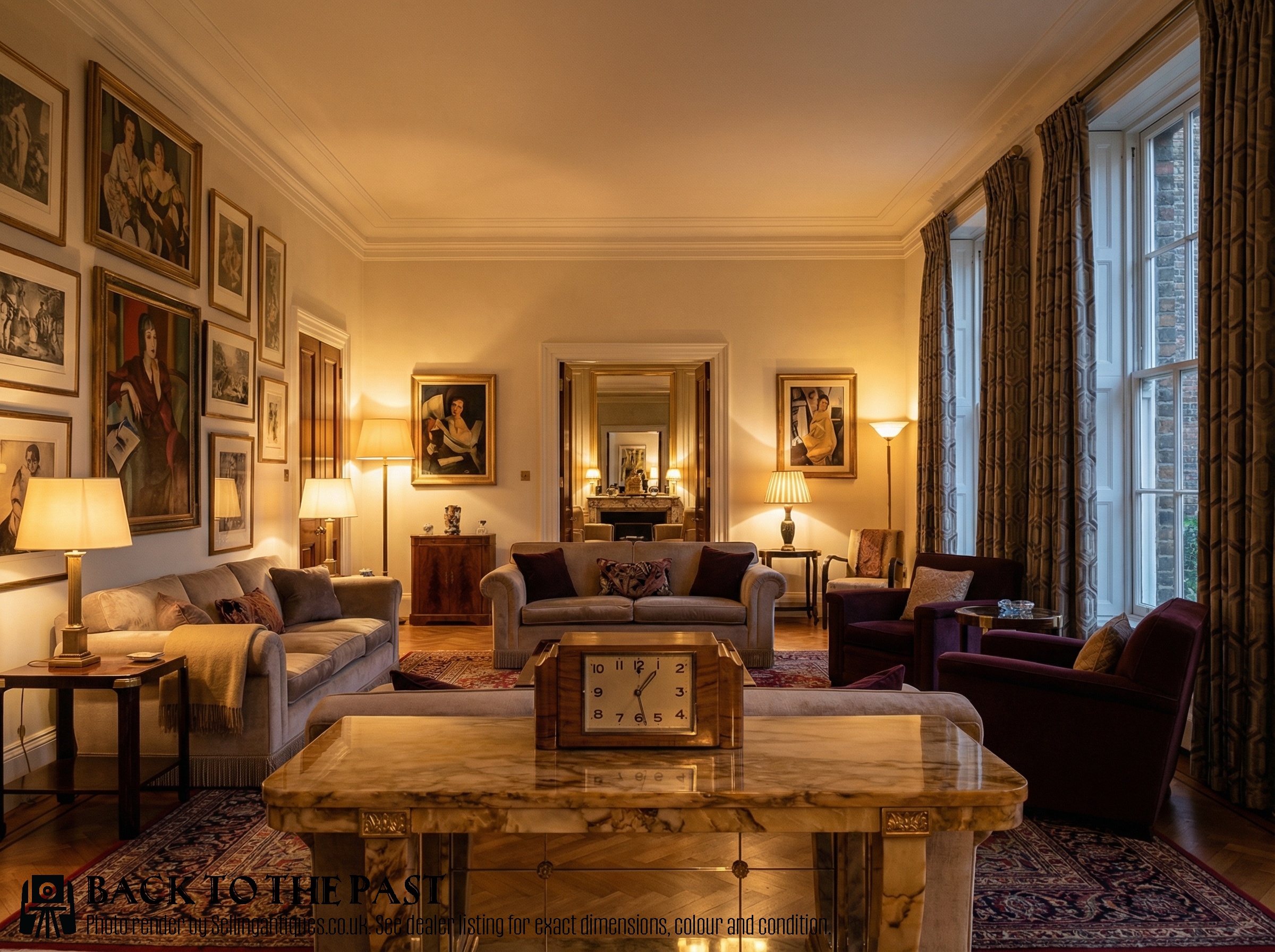
1920s Art Deco Clock
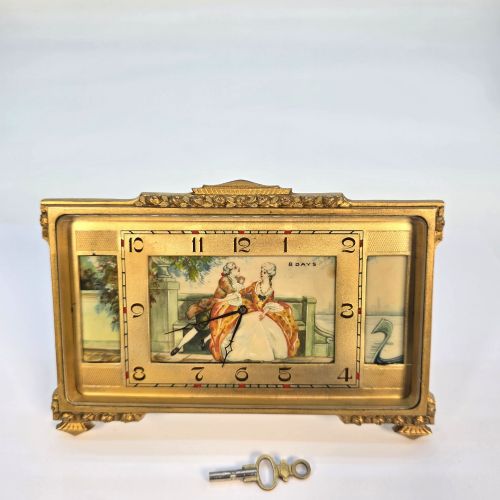
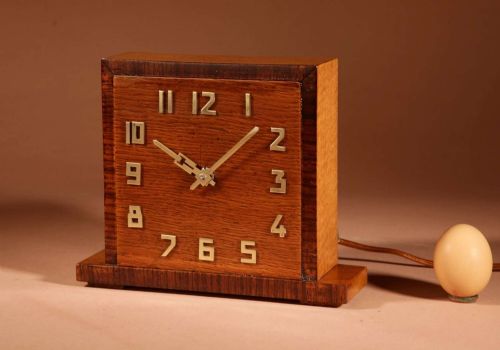
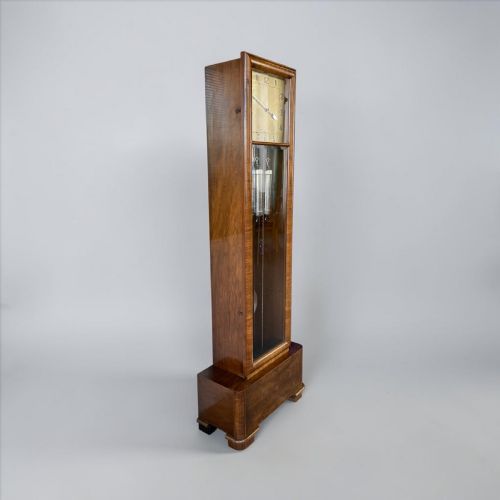
A 1920s art deco clock spans a variety of domestic forms, ranging from compact desk timepieces and mirror clocks to substantial mantel clocks and tall longcase clocks. These pieces capture the transition from earlier floral curves to the sharp, streamlined geometries characteristic of the period.
The most common formats met on this page are mantel clocks and clock garnitures, often paired with matching side ornaments. These sit alongside grander grandfather clocks and specialty pieces incorporating opalescent glass or novelty alarms.
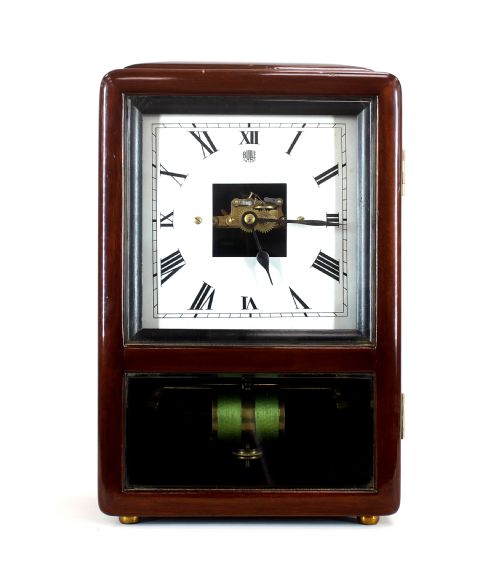
Origins stretch across Britain, France, Germany, and the Netherlands, with Amsterdam School designs and French marble sets frequently appearing. The movement types vary from early electrical systems like Bulle to traditional mechanical movements.
Materials and construction
Casings utilise a diverse palette of hardstones and timbers, pairing marbles and onyx with oak, walnut, and exotic veneers such as macassar ebony and rosewood. Metal elements range from brass and chrome to bronze, ormolu, and silver plating.
1920s Art Deco Clock Retail Price Guide 2026
Typical asking prices for 1920s art deco clock among the pieces listed under this phrase on Sellingantiques today, from the lower quarter to the upper quarter. They describe what is for sale here now, not the wider market.
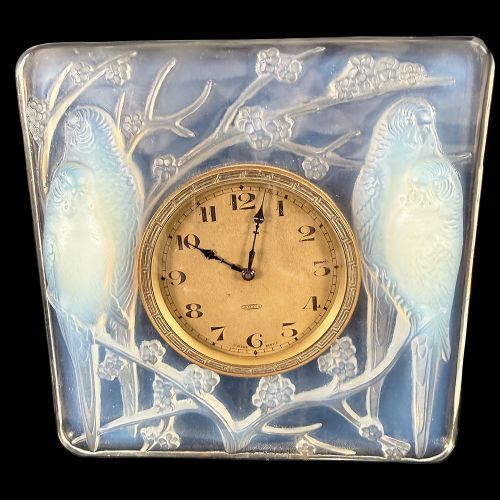
Listings demonstrate a material range spanning heavy breccia marble, onyx, and brass alongside moulded opalescent glass panels.
Judging quality in period timepieces
Quality rests on the ambition of the design and the harmony of the materials employed, such as the deliberate contrast between dark exotic woods and metallic dials. The integration of sculptural figures, whether cast in bronze or pressed in glass, distinguishes standard production from exceptional work.
Superior examples demonstrate precision in the housing of mechanical or early electrical movements, alongside intact garniture pieces that retain their original matching ornaments.
Rene Lalique·Ferdinand Priess·Garrards
The 1920s Art Deco Clock Glossary
- Clock garniture
- A set comprising a central clock flanked by matching decorative ornaments, designed to sit together on a mantelpiece.
- Bulle clock
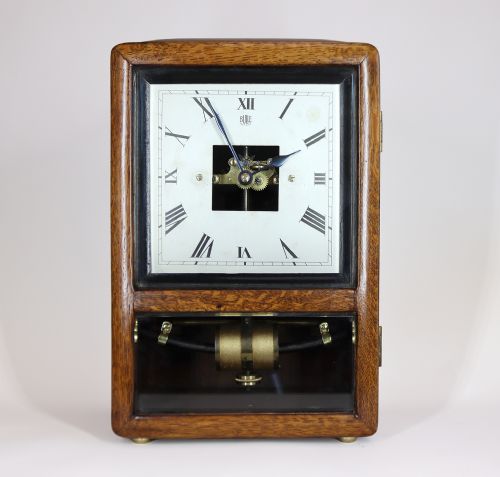
- An early electrical clock mechanism utilising a battery-driven pendulum swinging through a magnetic field.
- Guilloche enamel
- Metalwork decorated with repetitive geometric patterns beneath a translucent coloured enamel layer.
- Mystery clock
- A timepiece where the mechanism driving the hands is concealed, often appearing to float within a glass dial.
- Longcase clock
- A tall pendulum clock housed in a wooden floor-standing case, also known as a grandfather clock.
1920s Art Deco Clock: Frequently Asked Questions
How do I maintain a mechanical mantel clock?
Mechanical movements require regular winding and occasional professional servicing to ensure the gear trains and springs operate without excessive friction.
Keep the clock away from direct sunlight, dampness, and extreme temperature fluctuations to protect both the timber case and the internal metal components.
What is an Amsterdam School clock?
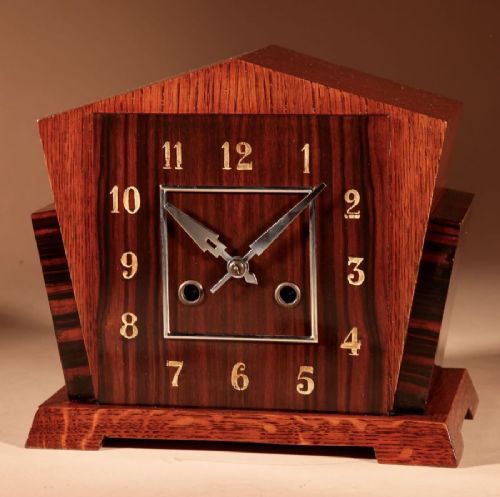
Amsterdam School pieces showcase expressive brickwork-inspired brick patterns, contrasting timber veneers, and architectural silhouettes typical of early twentieth-century Dutch design.
These clocks favour heavy oak frames enriched with dark exotic woods to create sculptural, solid forms.
How do electric Bulle clocks work?
Bulle clocks use an electromagnetic impulse to keep the pendulum swinging continuously rather than relying on a traditional mainspring.
These early electrical mechanisms require specific low-voltage batteries to replicate the original electrical current safely.
Are clock garnitures always sold together?
Garnitures are designed as matching three-piece sets consisting of the central timepiece and two side ornaments intended to balance a mantel display.
Finding the complete matching set increases the historical integrity of the grouping.