


1910s Pocket Watch
A 1910s pocket watch delivers mechanical reliability from the Edwardian and First World War eras.
1910s Pocket Watch
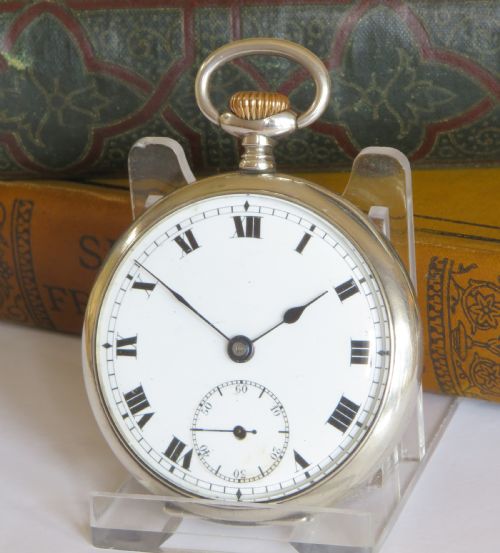
A 1910s pocket watch represents personal timekeeping from the Edwardian era, George V reign, and First World War period. These timepieces served everyday domestic use alongside military service in the trenches and cockpits.
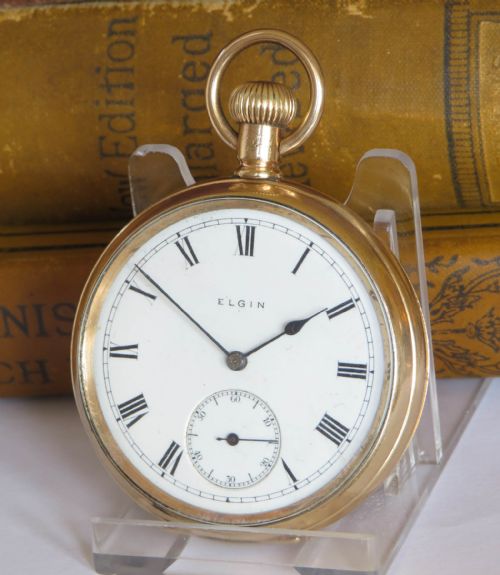
The most common examples on this page are open-face and full hunter pocket watches driven by Swiss and English movements. Makers such as Omega, Zenith, and Elgin dominate the surviving pieces.
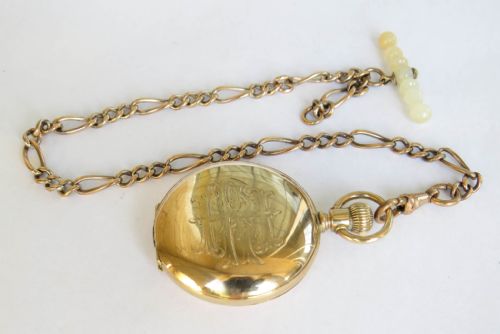
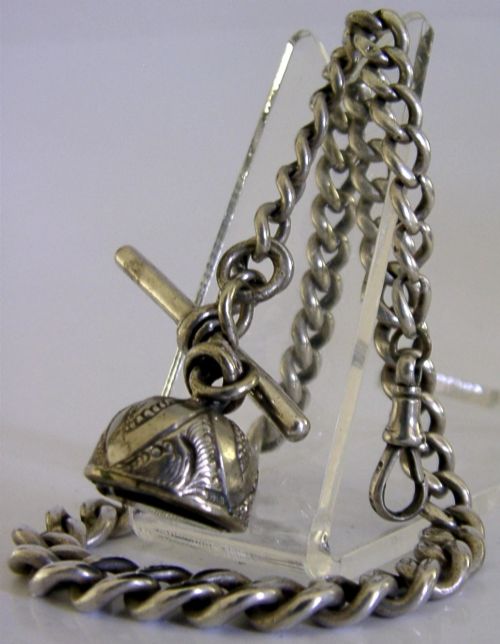
Accessories frequently accompany the watches, including solid sterling silver watch chains, gold Albert chains, and seal fobs. Goliath pocket watches and specialised cockpit pieces also appear in the historical record.
Materials and construction methods
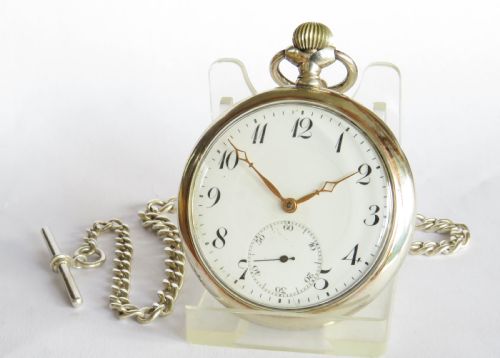
Watch cases utilise sterling silver, gold-filled metal, solid nine-carat gold, steel, and gun metal. Enamel dials feature painted numerals protected by glass crystals.
Movements rely on mechanical components with stem-winding and pin-set mechanisms. Solid silver watch chains and gold Albert chains employ interlocking links secured with dog clips.
Pilots navigated early military aviation by checking massive cockpit watches strapped directly inside aeroplane instrument boards.
Distinctions in craftsmanship
Quality separates through the refinement of the watch movement and the substance of the case metal. Solid gold and heavy sterling silver casings command greater regard than gold-filled or base metal alternatives.
Maker reputation heavily influences standing, with established houses like Omega and Zenith offering superior precision compared to lesser-known manufacturers. Complete sets retaining matching chains and fobs maintain greater historical integrity.
Record·Elgin·Crisford and Norris·Zenith·Elliott Brothers·Omega·Doxa·Minerva·Lowiza·Thomas Russell·H Perrin·Buren·Thommen Revue·Waltham·Limit·Meyer and Studeli
The 1910s Pocket Watch Glossary
- Full hunter
- A pocket watch featuring a spring-loaded metal cover that protects the glass dial. Pressing the crown opens the case.
- Albert chain
- A chain attached to a pocket watch, designed to secure the timepiece to a waistcoat or buttonhole. Double Albert chains connect from a central fob to pockets on both sides.
- Goliath pocket watch
- An oversized pocket watch intended for travel or desk use rather than waistcoat carriage. These pieces often sit inside dedicated leather travel cases.
- Stem-winding
- A winding mechanism operated by turning the crown at the top of the watch. This replaced earlier key-winding methods used in preceding centuries.
- Cockpit watch
- A specialised military timekeeper mounted inside an aircraft instrument panel. These instruments navigated early aviation during the First World War.
1910s Pocket Watch: Frequently Asked Questions
How do I wind a 1910s pocket watch?
Most pieces from this decade utilise stem-winding mechanisms operated by turning the crown between your fingers until resistance builds. Avoid over-winding to protect the internal mainspring.
Set the time either by pulling the crown outward or by pressing a small pin set into the case edge while turning.
What is the difference between open-face and full hunter watches?
An open-face watch displays the glass dial directly without any protective metal cover in front. This allowed rapid time checks during daily routines.
A full hunter includes a hinged metal lid that conceals the dial until released by the crown mechanism. This heavy outer shell provided extra defence for the glass during military service or manual work.
Can I wear an antique pocket watch daily?
Mechanical timepieces from this era function reliably with proper handling and routine servicing by a watchmaker. Secure the piece to your clothing using an appropriate watch chain or fob to prevent accidental drops.
Keep the movement away from moisture and strong magnetic fields to maintain daily accuracy.
How do I identify the production year?
Silver and gold cases carry British hallmark stamps indicating the assay office and date letter corresponding to the year of manufacture. Elgin and other manufacturers inscribed serial numbers directly onto the internal movement plates, allowing production date verification against maker records.