
Pocket Watch Seconds Dial
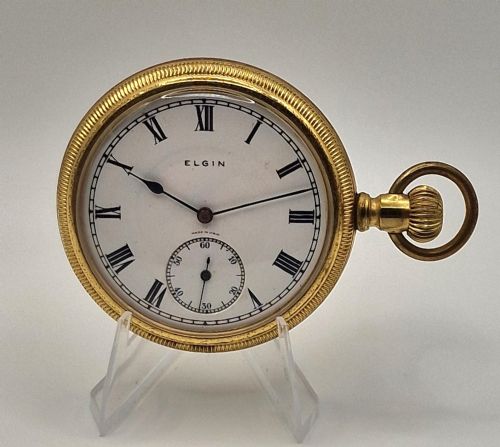
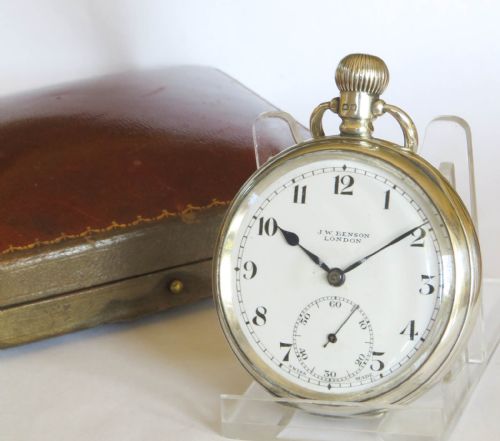
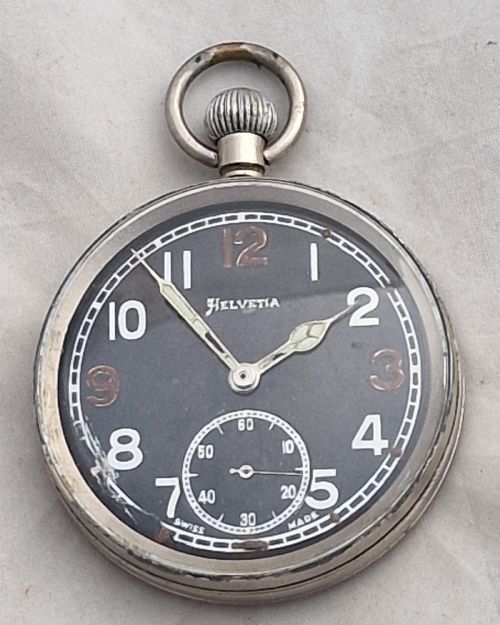
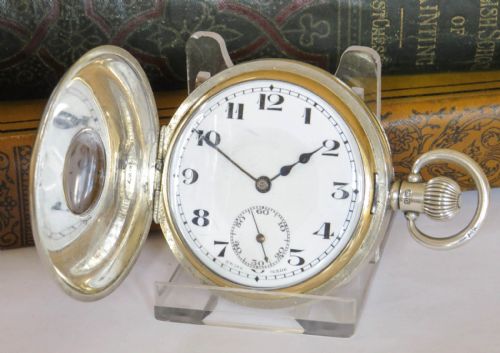
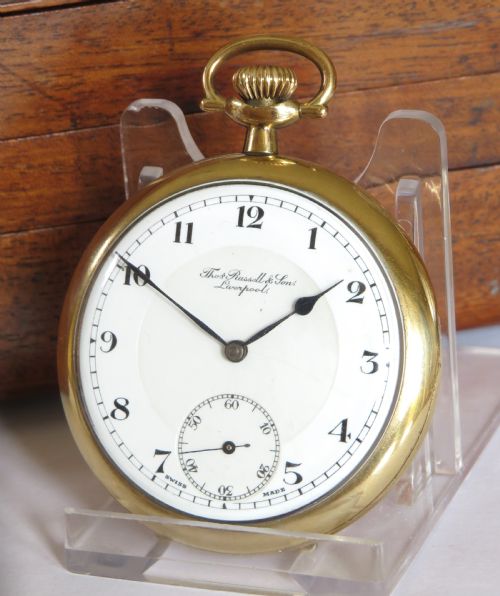
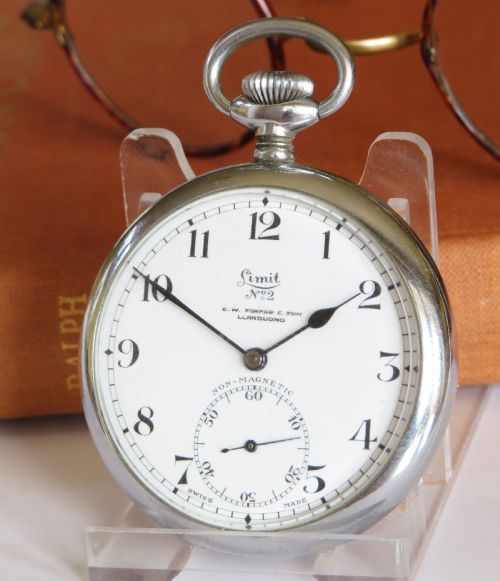
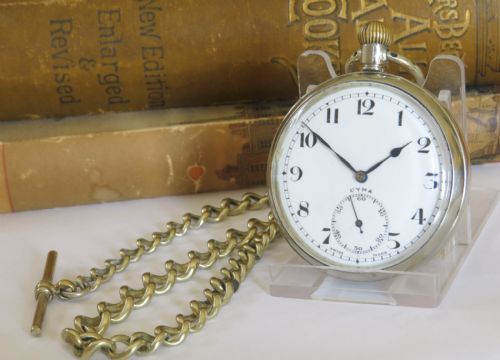
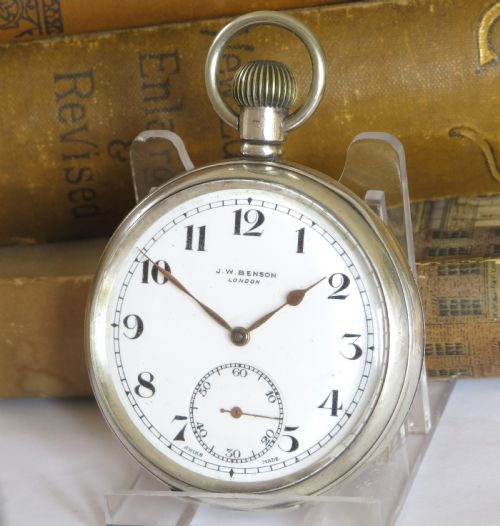
A pocket watch seconds dial sits quietly on the face, marking time apart from the main hands.
Pocket Watch Seconds Dial
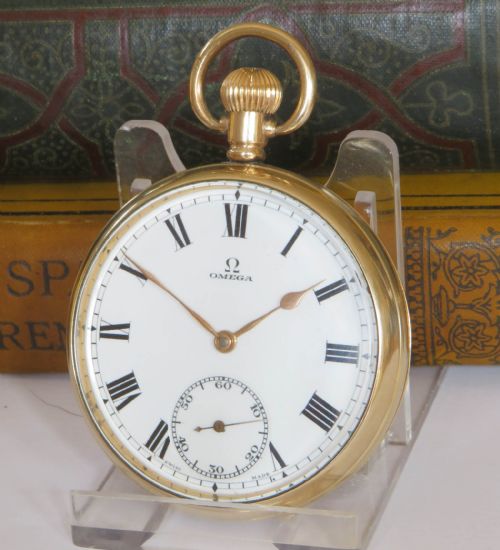
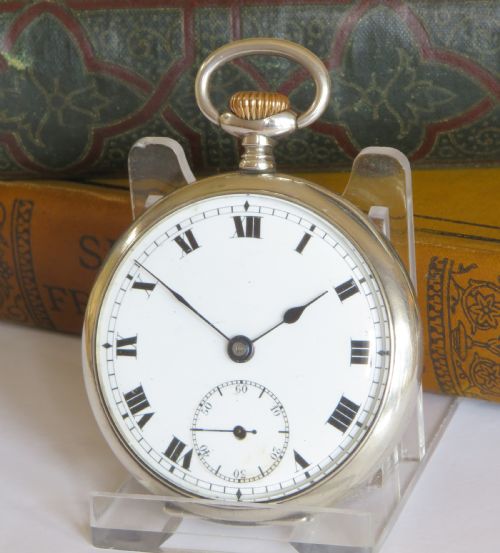
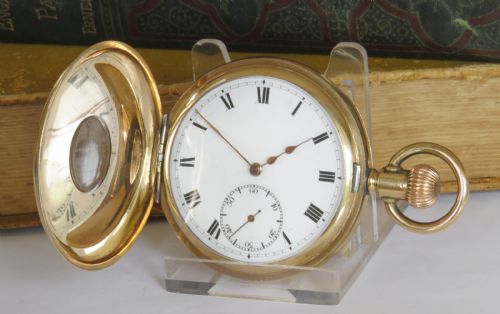
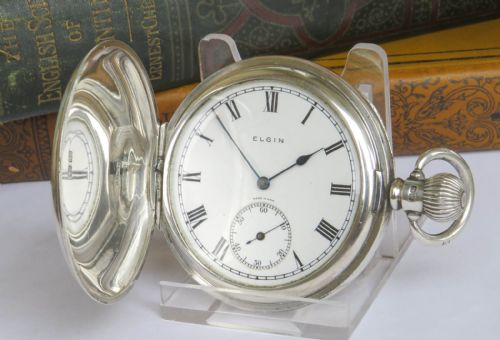
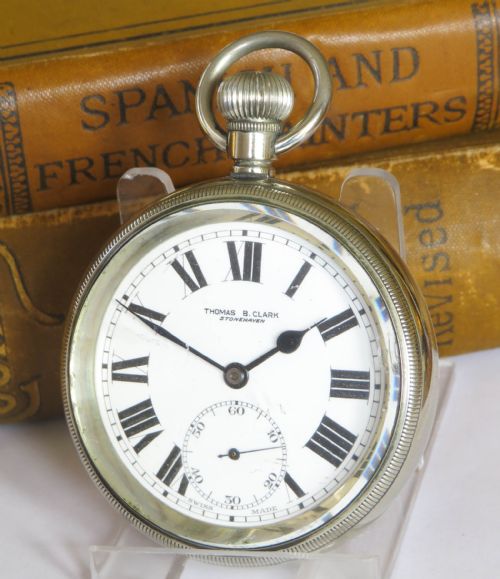
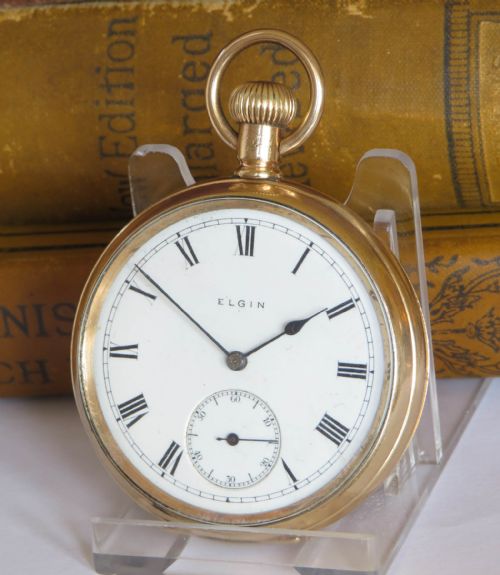
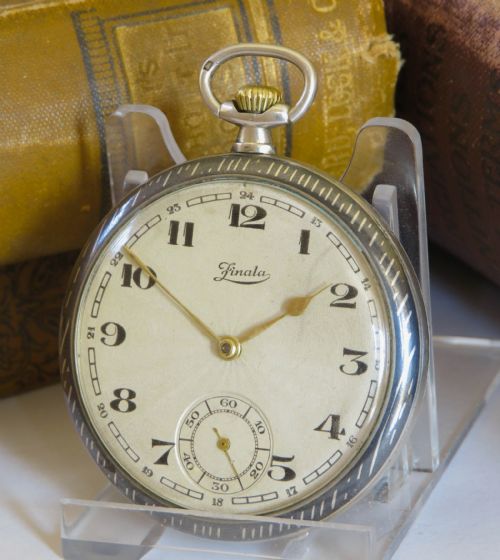
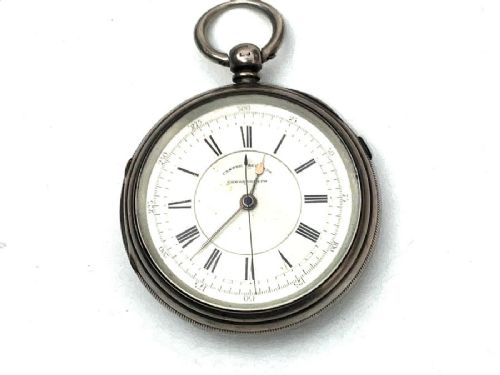
A pocket watch seconds dial is the small subsidiary register positioned on the face, typically placed above the six o'clock position to track passing seconds independently. The pieces found here span the late Victorian era through the 1950s, taking the form of open-face and hunter designs used for precise timekeeping. Most examples meet the eye as silver, nickel, or gold-plated pocket watches carrying mechanical movements from British, Swiss, and American makers.
The layout reflects an era when precision mattered for everyday business, military service, and railway timing. Buyers encounter military issues from the 1940s alongside civilian presentation pieces inscribed for bravery or local events. These range from heavy silver cases with robust dust covers to simpler nickel and gunmetal models intended for daily utility.
How they were made
Makers constructed these dials using white or cream enamel fired onto copper plates, with fine painted numerals and minute tracks framing the subsidiary circle. Cases combined solid silver, gold plate, nickel, brass, and chrome, often housing stem-winding mechanical movements protected by glass crystals.
The sub-seconds track was meticulously printed or painted by hand, aligning with a tiny hand driven directly from the fourth wheel of the gear train. Specialised firms produced sturdy outer casings featuring hinged backs and bezels designed to keep dust away from the delicate escapement within.
What varies in quality
Quality rests in the crispness of the enamel dial lettering and the integrity of the subsidiary seconds circle, where hairline cracks or chips immediately alter the visual balance. Finer movements featured greater jewel counts and adjusted balances, maintaining steadier time across varying temperatures.
The weight and finish of the metal case, from heavy sterling silver to basic nickel, dictate the longevity and feel of the piece in the palm. Engraving depth on presentation backs and the smooth action of the hinged covers also mark the distinction between standard utility watches and higher grades.
J W Benson·Helvetia·Omega·Record·Limit·Elgin·Thomas Russell and Son·Cyma·Silvana·Richardson·Bravingtons·Stauffer·Urania·Waltham·Zenith·H Samuel·Horos·Dennison·Tellus·Jaeger-LeCoultre
The Pocket Watch Seconds Dial Glossary
- Sub-seconds
- A secondary dial set into the main watch face that tracks seconds independently with its own small hand.
- Hunter
- A pocket watch style featuring a spring-loaded metal cover that protects the glass crystal from knocks and scratches.
- Half hunter
- A pocket watch case with a glass or open aperture in the outer lid, allowing the time to be read without opening the cover.
- Stem winding
- A mechanical winding system operated via the crown at the top of the case rather than a separate key.
- Niello
- A black metallic alloy used as an inlay to fill engraved designs on silver cases, creating high-contrast decorative patterns.
Pocket Watch Seconds Dial: Frequently Asked Questions
What is a sub-seconds dial?
A sub-seconds dial is the small circular register sunken into the lower half of the watch face. It measures the passing seconds independently using its own dedicated hand.
This layout allows the main hour and minute hands to remain clear and unobstructed. It became a standard feature for reliable pocket watches across the late nineteenth and twentieth centuries.
How do I wind a pocket watch?
Most pieces from this period utilise a stem-winding mechanism where you rotate the crown between your thumb and forefinger. Turn it gently until you feel firm resistance, which indicates the mainspring is fully wound.
Avoid forcing the crown past the stopping point, as this can strain the internal spring. Regular winding at the same time each day helps maintain steady timekeeping.
What is the difference between a hunter and an open face?
An open face watch has no protective lid over the glass crystal, allowing you to check the time at a glance. A hunter case includes a spring-loaded metal cover that shields the dial until you press the crown release.
Hunter designs offered greater protection for the glass during rough daily work. Open face versions were favoured where instant readability was paramount.
How do I date a pocket watch?
Dating relies on matching the hallmarks stamped inside silver or gold cases with official assay office records. Movement serial numbers from major makers also provide reliable production years.
Inscriptions and military issue numbers on the case back offer further historical clues. Style markers such as Art Deco numerals help narrow down the decade of manufacture.