




Military Pocket Watch
A military pocket watch combines robust utility with precise timekeeping, offering collectors a tangible link to service history on land, sea, and in the air.
Military Pocket Watch
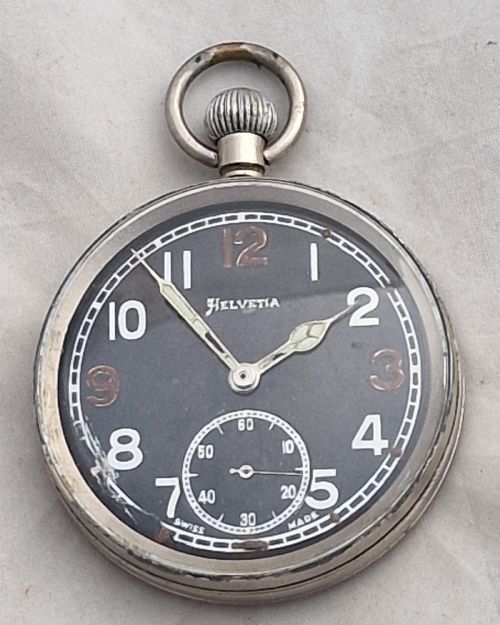
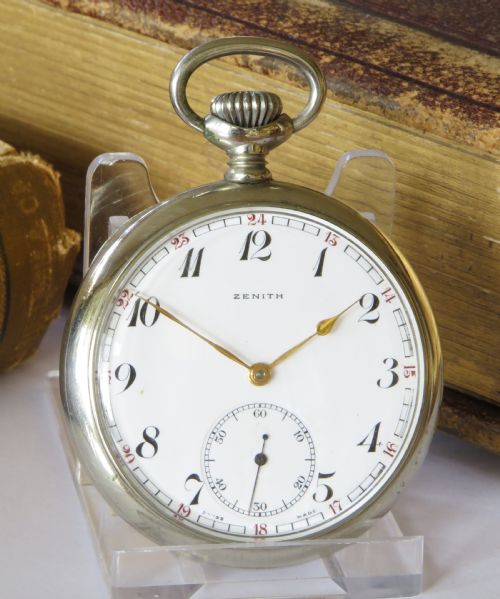
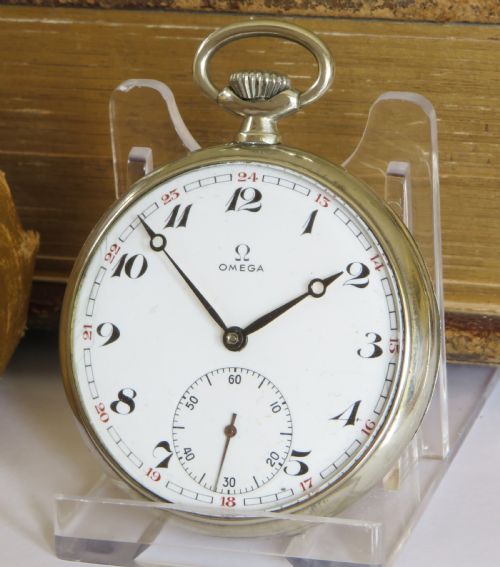
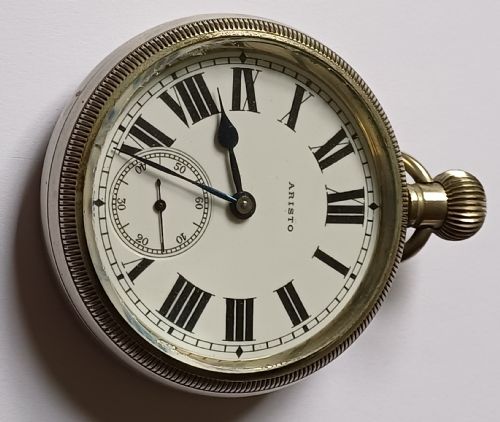
When you search for a military pocket watch, you encounter timepieces issued for service across the nineteenth and twentieth centuries, including the First and Second World Wars. The most common versions on this page originate from the nineteen-forties, bearing standard government service markings and robust utility designs.
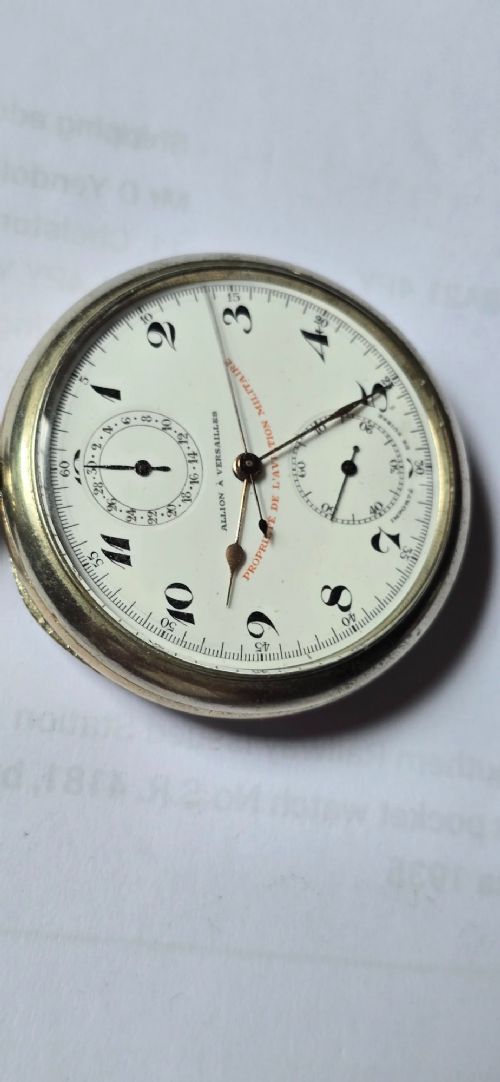
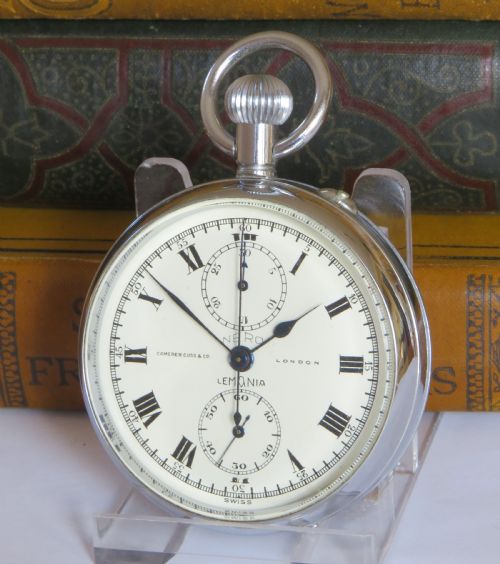
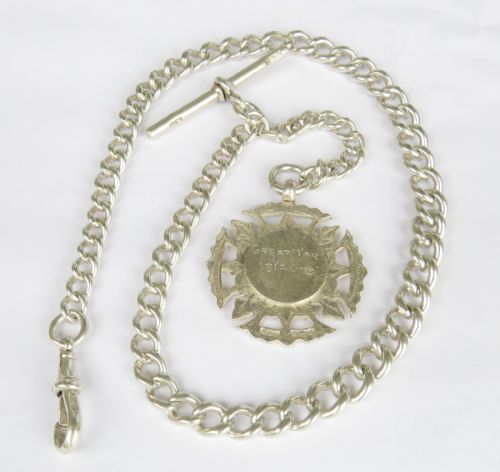
Beyond standard timekeepers, the selection includes specialised deck watches, navigational instruments, and chronographs produced for specific branches such as the Royal Navy, the Royal Flying Corps, and international forces. Accompanying chains and fobs frequently appear alongside the watches, adding further contextual history to individual pieces.
Materials and Construction
Casings utilise durable metals such as nickel, steel, brass, and chrome to withstand harsh field conditions, while select examples feature sterling silver or gold filled housings. Enamel dials provide high-contrast legibility, protected by fitted glass crystals designed to resist breakage during active service.
Movements rely on precise Swiss and English horology, incorporating chronograph functions, split-second mechanisms, or simple time-only calibres. Case backs often display specific issue numbers and government broad arrow marks to designate official military ownership.
Listings feature periods spanning from the late nineteenth century through the nineteen-sixties, utilising brass, silver, nickel, and steel.
Evaluating Quality and Condition
Superior examples retain their original military issue markings, matching serial numbers across the case and movement, and crisp dial typography without excessive wear. The clarity of engravings and the preservation of specialised complications, such as chronograph or split-second mechanisms, separate standard service pieces from higher-tier instruments.
The integrity of the enamel dial and the original finish of the steel or nickel case dictate the visual appeal of a piece. Preserved provenance, such as documented squadron connections or associated fobs and chains, enhances the historical completeness of the watch.
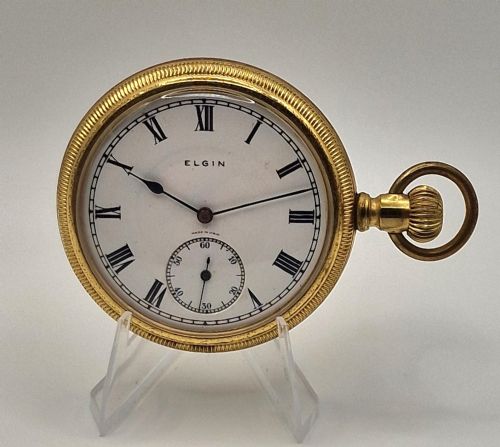
Allion of Versailles·Elgin·Helvetia·Nero Lemania·Zenith·Omega·Aristo·Elliott Brothers·J W Benson·LeCoultre·H Williamson·Waltham·Ehrhardt·Cyma·Buren·Denco·Jaeger LeCoultre·Unitas·Rolex·Enicar·Revue·Doxa
The Military Pocket Watch Glossary
- GSTP
- General Service Trade Pattern. This designation appears on the case backs of watches issued to British military personnel during the Second World War.
- Chronograph
- A watch with a function for measuring elapsed time by means of a central chronograph hand. These permitted precise calculations in navigation and artillery.
- Albert chain
- A decorative watch chain attached to a pocket watch and secured to a waistcoat or buttonhole. These frequently incorporate military fobs or coins.
- Deck watch
- A precise portable clock or large pocket watch utilised for navigation aboard naval vessels. They provided standard time for calculating longitude at sea.
- Half hunter
- A pocket watch featuring a case with a glass-centred metal cover over the dial. This allowed the user to read the time quickly without opening the case.
Military Pocket Watch: Frequently Asked Questions
What does GSTP mean on a watch?
GSTP stands for General Service Trade Pattern, indicating a timepiece procured for British military personnel during the Second World War.
These watches were manufactured by various Swiss and English firms to strict government specifications for reliable field use.
How do I date a military watch?
Dating relies on movement serial numbers, case hallmarks, and specific military issue markings stamped onto the exterior housing.
Many pieces from the nineteen-forties also feature broad arrow symbols alongside specific government contract codes.
Were these watches used in combat?
The pieces served officers, pilots, navigators, and artillery personnel across land, sea, and air operations in multiple conflicts.
Their primary purpose was reliable synchronisation for navigation, communications, and tactical movements.
How should I store a pocket watch?
Store timepieces in a dry, temperature-controlled environment away from direct sunlight and magnetic fields.
When not worn on an albert chain or displayed in a stand, keep them in a padded watch box to protect the metal case and glass crystal.