
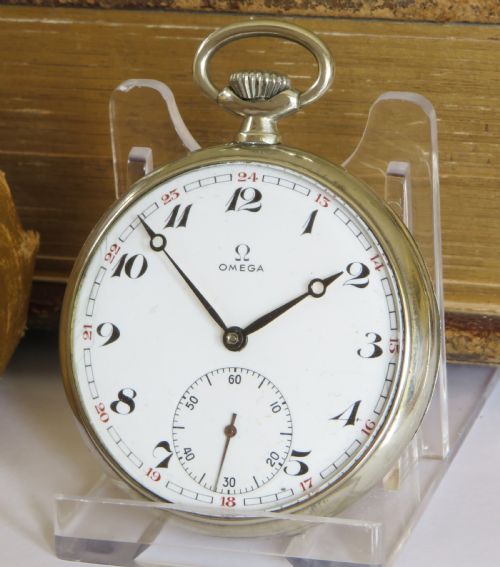


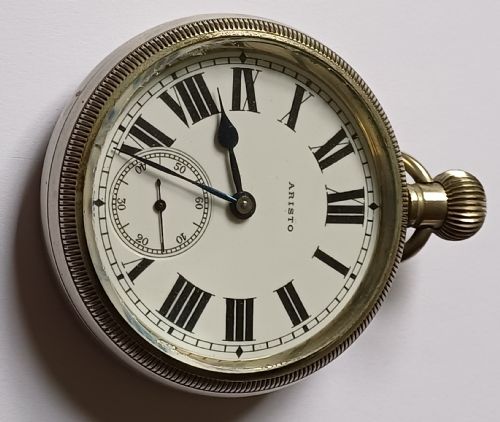


Ww2 Military Timepiece
A ww2 military timepiece is a purposeful instrument built for active service, prized by collectors for its robust reliability and historic operational provenance.
Ww2 Military Timepiece
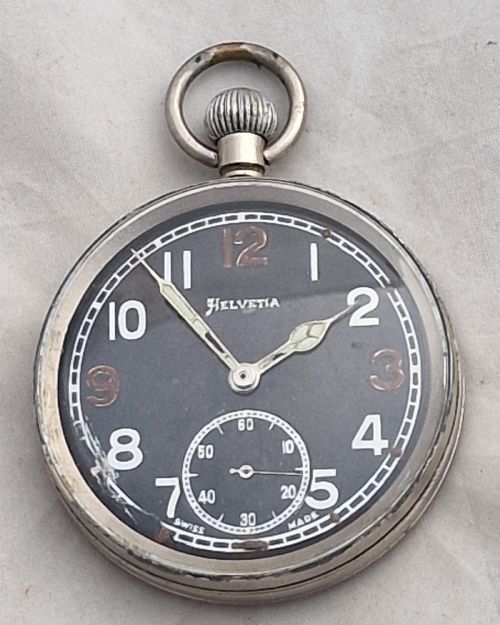
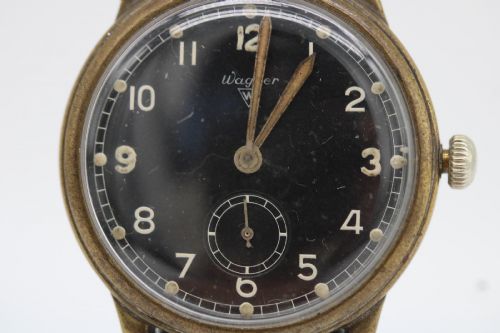
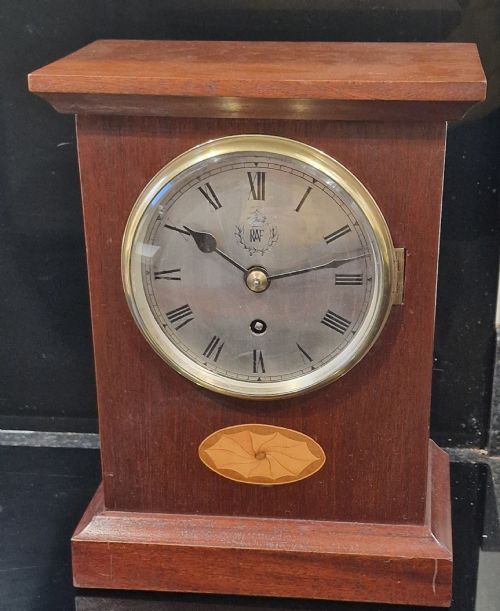
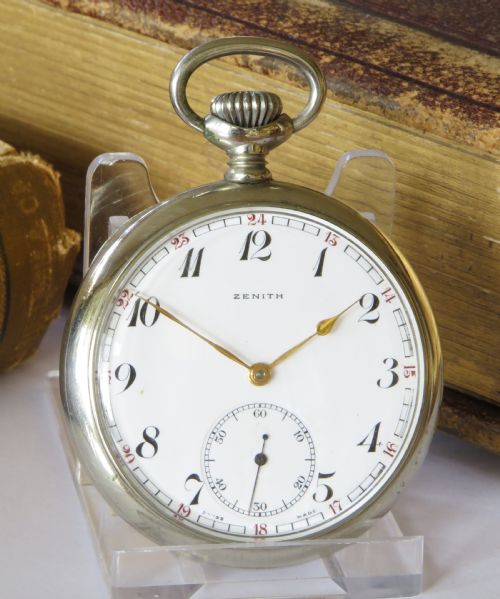
When you search for a ww2 military timepiece, you encounter wristwatches, pocket watches, and mantel clocks issued to armed forces during the conflict. These instruments served personnel across the Royal Air Force, German Luftwaffe, and naval branches.
The versions most frequently met on this page include wristwatches with original dials alongside dedicated mess clocks and pocket watches. Their origins span Swiss horology and German military production from the 1940s.
Makers represented in these categories include established firms such as Helvetia, Wagner, Zenith, Omega, Roamer, Ebel, Revue, and Aristo. Each piece reflects the standardised requirements of mid-century military supply chains.
How they were made
Cases utilise durable metals including stainless steel, brass, nickel, chrome plate, and steel designed to withstand field conditions. Dial faces feature clear enamel markings protected by fitted glass lenses.
Wristwatches frequently incorporate leather straps to secure the timepiece during active deployment. Internal movements reflect the precise mechanical standards of 1930s Swiss horology and contemporary European manufacturing.
Officers checking the mess clock in 1938 had no idea their ticking brass companion would end up on a glowing digital screen.
What varies in quality
The standard of a ww2 military timepiece depends upon the originality of its components, particularly the dial and case markings. Pieces retaining their original issue numbers and military broad arrows hold distinct historical integrity.
Manufacturing origin and movement complexity also differentiate examples, with specific Swiss calibres and specialised Air Ministry or Admiralty specifications commanding significant interest among horological collectors.
Helvetia·Wagner·Zenith·Omega·Roamer·Ebel·Revue·Aristo
The Ww2 Military Timepiece Glossary
- A.T.P
- Army Trade Pattern. A designation stamped on military issue watches supplied to British land forces during the conflict.
- Admiralty Pattern
- A classification code utilised for equipment and timepieces issued to naval forces.
- Mess Clock
- A large clock designed for wall mounting within military officers quarters and mess halls.
- Dial
- The visible face of the timepiece displaying numerals and track markings for time reading.
Ww2 Military Timepiece: Frequently Asked Questions
How do I identify a real military watch?
Look for government issue marks, such as Air Ministry stamps or serial numbers engraved on the case back. These service codes indicate official military procurement.
Examine the dial and movement for maker signatures matching known wartime contractors like Omega or Zenith. Original military specifications rarely featured decorative elements.
Were these watches worn in combat?
Many of these timepieces accompanied pilots, navigators, and officers on active duty across various European and global theatres. Their precise movements were vital for synchronised military operations.
Mess clocks remained stationary in headquarters and officer quarters to coordinate daily schedules. Wristwatches and pocket watches travelled directly into the field with service personnel.
How should I care for a vintage military watch?
Keep the mechanical movement away from moisture and magnetic fields, as vintage seals lack modern water resistance. Regular servicing by a specialist ensures the internal gears continue to function accurately.
Wind manual calibres gently at the same time each day to preserve the mainspring. Store the timepiece in a stable climate away from direct sunlight to protect leather straps and enamel dials.
What is the difference between an RAF and Admiralty timepiece?
Air Force timepieces often feature specific Air Ministry markings on the reverse case to denote aviation service. These were built for pilots requiring high legibility during flight.
Admiralty pieces adhere to naval supply standards and served maritime personnel. Both categories reflect strict government contracting guidelines from the period.