
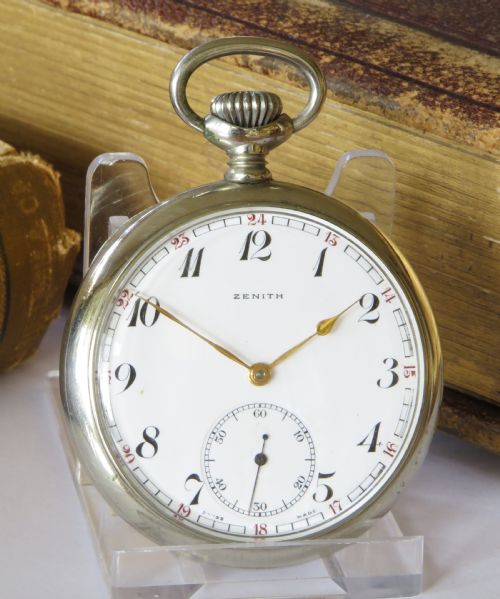
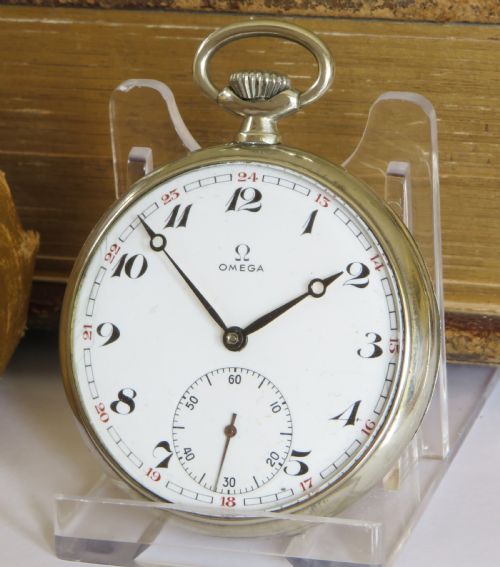


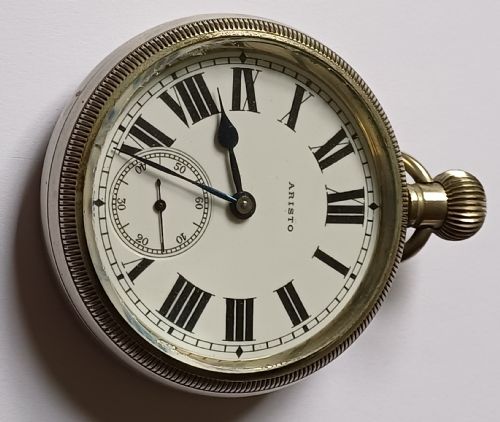


Silver Military Pocket Watch
A silver military pocket watch is a robust, precision timekeeper issued for service use, combining rugged utility with historic character.
Silver Military Pocket Watch
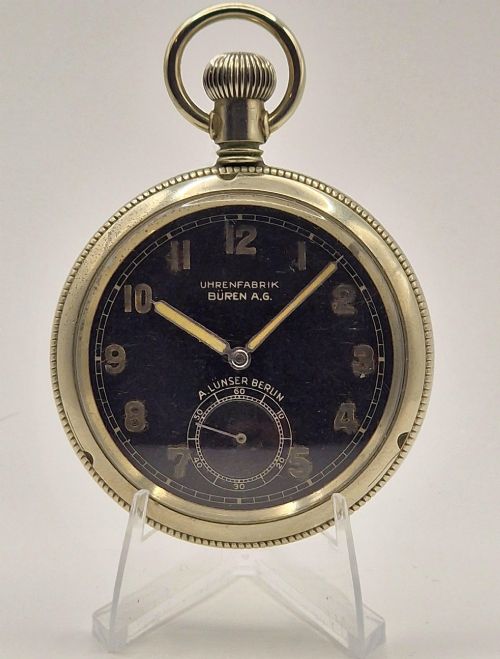
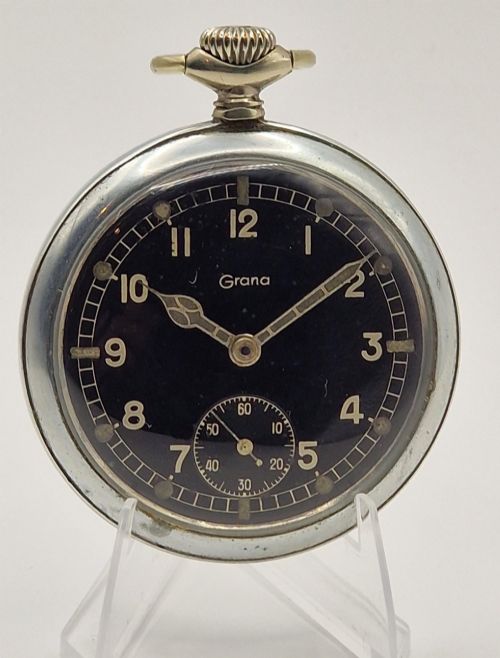
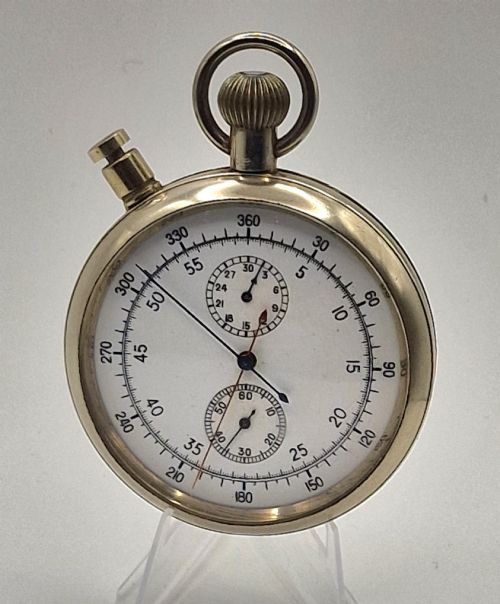
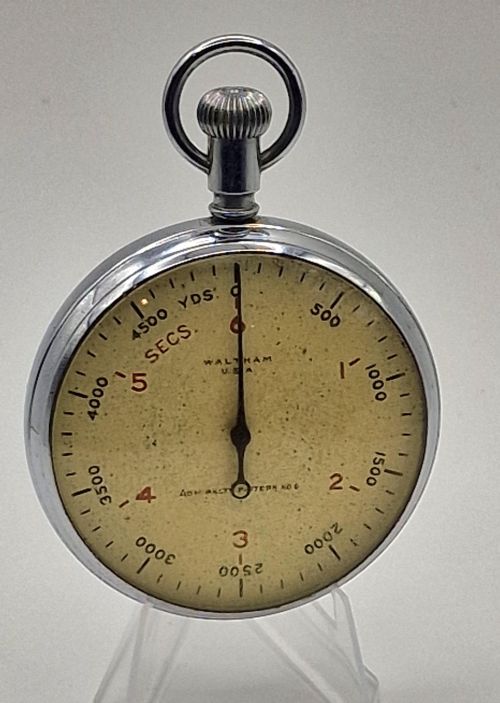
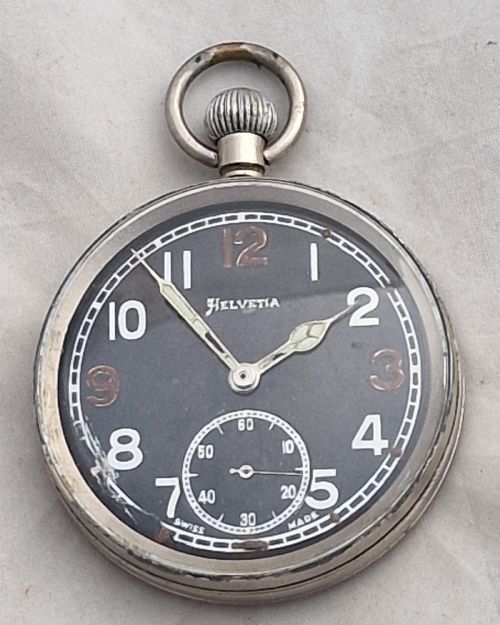
When you search for a silver military pocket watch, you are looking at utilitarian timepieces commissioned for armed forces service, often bearing issue marks, broad arrows, or regimental connections. These watches span periods from the late Victorian era through the First and Second World Wars and into the mid-century, reflecting the technological demands of aviation, artillery, and naval navigation. Pocket watch chains and navigational instruments also appear alongside the watches themselves, offering a complete picture of military timekeeping equipment.
The versions you are most likely to encounter on this page range from Edwardian and First World War issues to Swiss chronographs and Second World War department-specific pieces. Materials such as silver, nickel, steel, and brass house the movements, while enamel dials and glass crystals protect the faces. These pieces carry the tangible history of active service, ranging from standard infantry watches to specialised deck watches and aviation chronographs.
How they were made
Cases are formed from solid silver, nickel, steel, or brass, designed to withstand the harsh conditions of military deployment. Many feature hinged or screw-down backs to protect the delicate inner mechanics from dust and moisture.
Silver Military Pocket Watch Retail Price Guide 2026
Typical asking prices for silver military pocket watch among the pieces listed under this phrase on Sellingantiques today, from the lower quarter to the upper quarter. They describe what is for sale here now, not the wider market.
Some watches arrived with Cyrillic inscriptions, proving that even standard-issue gear sometimes took unexpected diplomatic journeys.
What varies in quality
The grade of the movement largely determines the standing of a piece, with high-jewelled Swiss and English calibres representing the pinnacle of production. Simpler, mass-produced utility movements sit at the other end, built for basic function rather than complex timing precision.
Case material and preservation of original markings also dictate distinction. Solid silver housings and clear, legible military issue inscriptions or enamel dials command greater interest than heavily worn or later-plated substitutes.
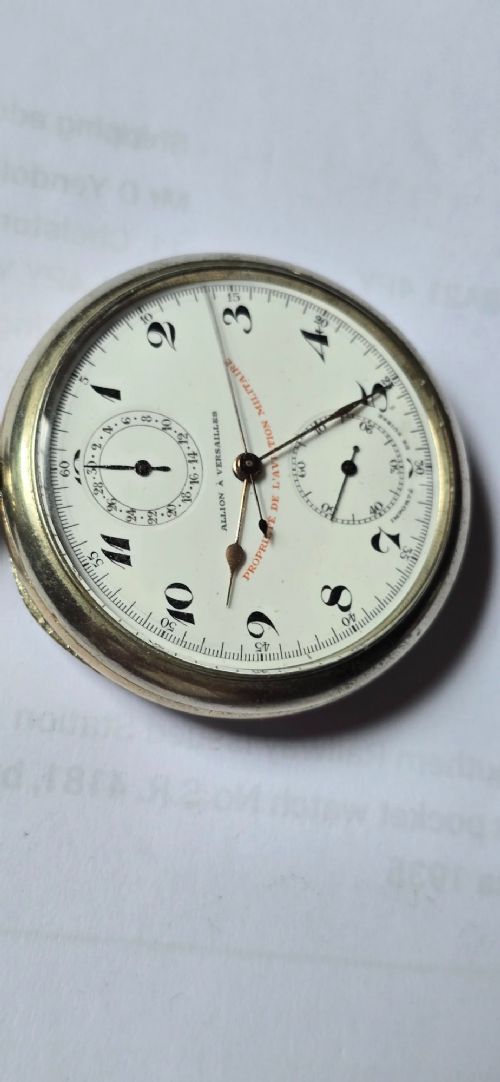
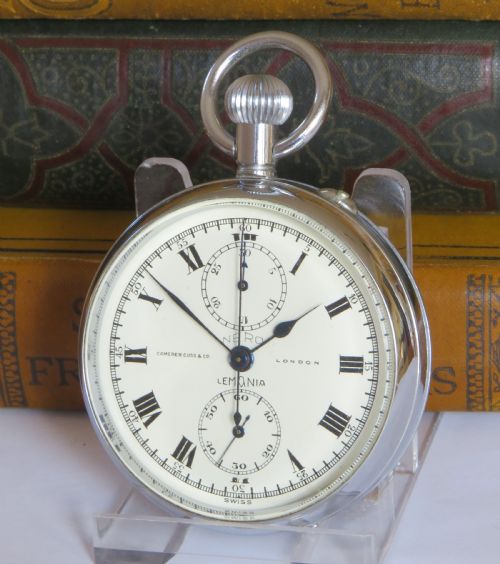
Allion of Versailles·Nero Lemania·Zenith·Omega·Aristo·Elliott Brothers·Tissot·J W Benson·Denco
The Silver Military Pocket Watch Glossary
- Chronograph
- A watch with a function that can be used as a stopwatch alongside its timekeeping. This allowed soldiers and aviators to measure elapsed time for navigation or artillery calculations.
- Albert chain
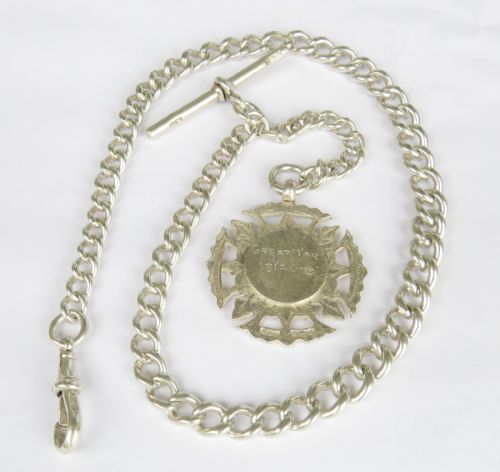
- A short watch chain attached to a T-bar and pocket watch, often adorned with fobs or military connections. It secured the timepiece safely to a uniform waistcoat or pocket.
- Half hunter
- A pocket watch case featuring a closed outer cover with a central glass or open aperture. This design let the wearer read the hands at a glance without fully opening the case.
- Deck watch
- A precise portable clock or large pocket watch utilised for marine navigation. These instruments were kept on ship decks to determine longitude and coordinate naval movements.
- Rattrapante
- A complex split-second chronograph mechanism featuring two second hands. One hand can be stopped to record an intermediate time while the other continues to run.
Silver Military Pocket Watch: Frequently Asked Questions
How do I wear a pocket watch?
A pocket watch is typically slipped into a waistcoat or jacket pocket, secured by a chain attached to a buttonhole or lapel. The watch rests comfortably inside the pocket while the chain drapes across the front.
For military styles, ensure the chain is securely fastened to prevent drops during movement. Pairing the watch with an appropriate period albert chain completes the historic presentation.
Were these watches actually used in combat?
Many of these timepieces were officially issued to personnel in the army, navy, and air corps for active service duties. Issue marks and broad arrows on the cases confirm their government commissioning.
Others served in supporting roles, such as navigational instruments or artillery timing, directly aiding military operations during major conflicts.
How do I date my pocket watch?
Examine the hallmarks on the silver case for assay office stamps and date letters. These assay marks provide a reliable guide to the year the metal was tested and registered.
Serial numbers stamped on the movement interior can also be cross-referenced with manufacturer records. In many instances, the issue year is engraved directly onto the case back.