
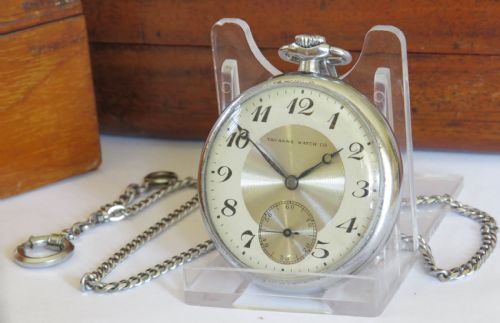
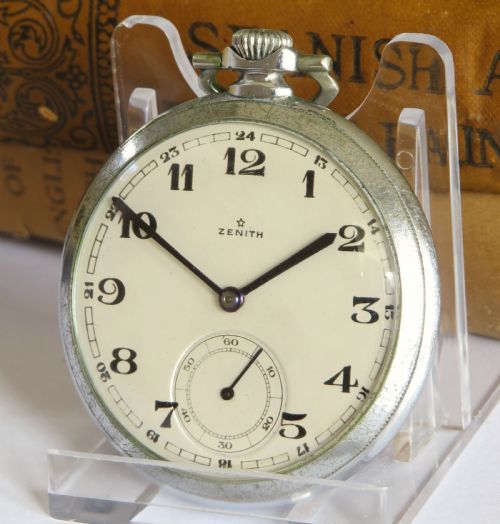


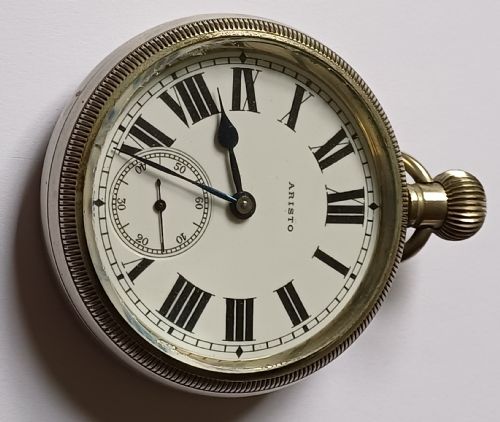

Chrome Vintage Pocket Watch
A chrome vintage pocket watch is a utilitarian timepiece offering mechanical charm and industrial durability.
Chrome Vintage Pocket Watch
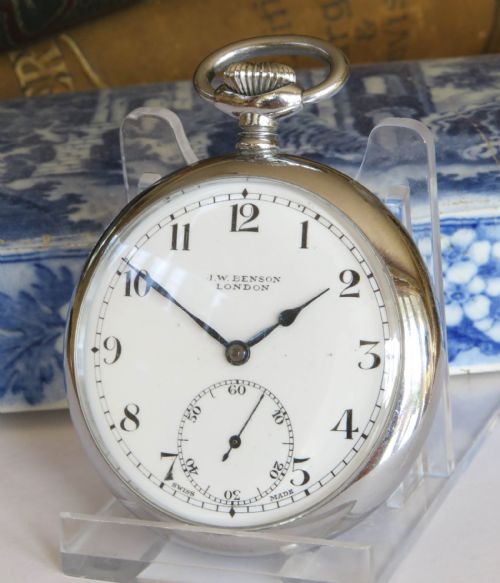
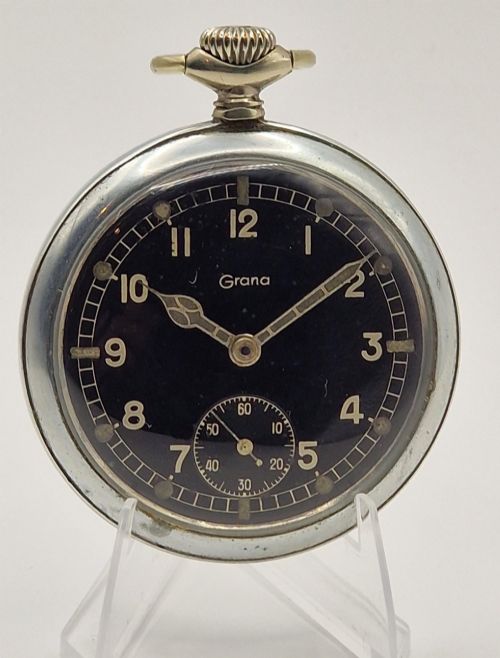
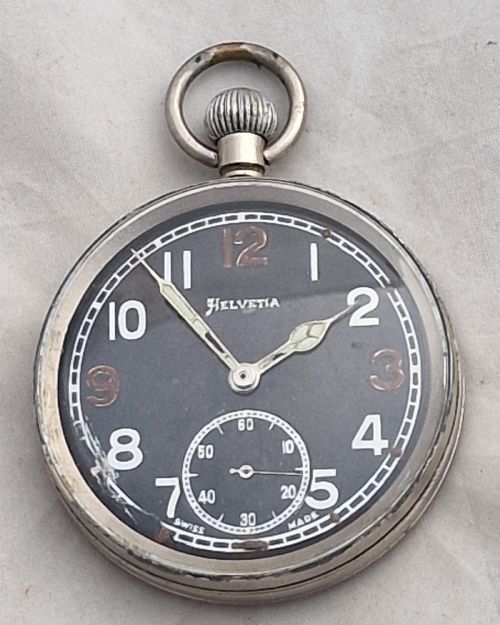
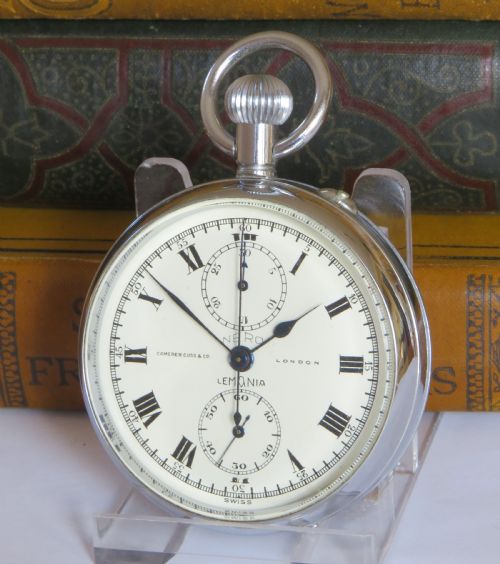
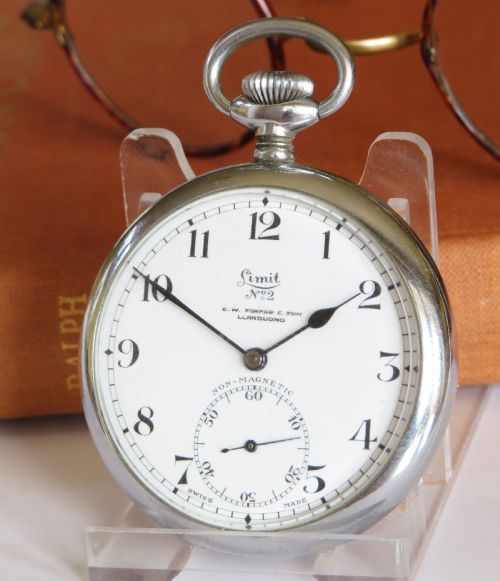
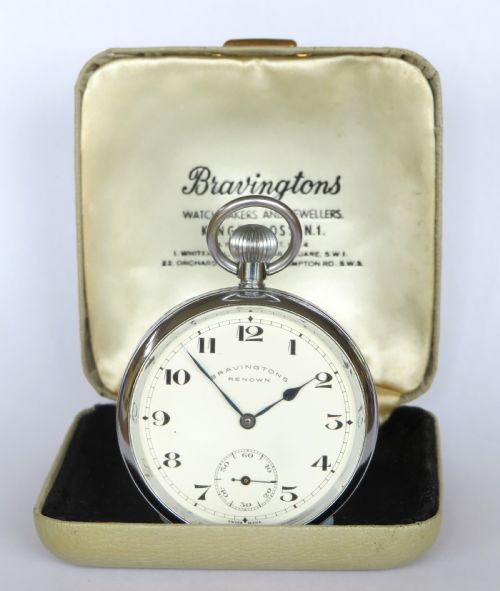
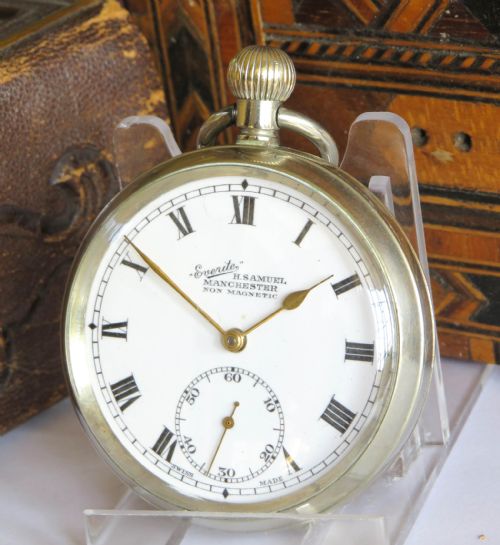
When you search for a chrome vintage pocket watch, you are looking at practical timekeepers produced across several decades from the early to the mid twentieth century. The selections available encompass functional military issues, elegant dress pieces, and chronograph complications spanning the 1920s to the 1960s.
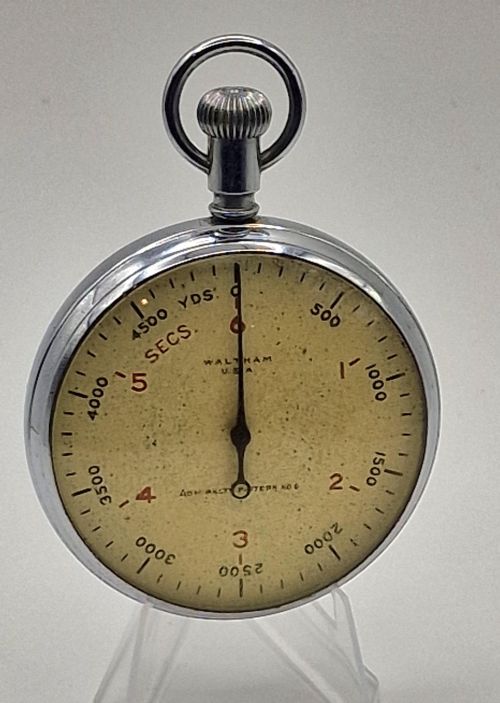
The most common versions you will meet on this page date from the 1930s, featuring sturdy chrome-plated metal cases and classic dials. Alongside standard pocket watches, you will encounter specialised pieces equipped with chains, compasses, or stopwatch mechanisms.
These items originate from a period when portable timekeeping was a daily necessity rather than a luxury accessory. The styles range from industrial Mid-Century designs and crisp Art Deco layouts to strict Mid-Century Military specifications.
How they were made
Cases are formed from base metals finished with a chrome plating layer to provide a durable and reflective exterior. Nickel and steel also appear as primary structural materials, offering robust housing for the internal mechanical movements.
Dials are protected by fitted glass crystals, while enamel is frequently utilised for the dial faces to create clear, legible numbering and markers. Metal construction ensures longevity and resistance to everyday wear.
Listings span five decades from the 1920s to the 1960s, incorporating materials such as glass, enamel, chrome, nickel, and steel.
What varies in quality
The distinction between standard pocket watches and top-tier examples lies in the complexity of the movement and the presence of specialised complications. Simple three-hand timekeepers sit at one end, while chronographs and split-second rattrapante mechanisms represent a higher tier of watchmaking skill.
Casing finish and associated items like matching chains or fitted compasses elevate a piece's completeness. Military and Admiralty issue pieces carry specific patterns that denote rigorous official standardisation.
Helvetia·Nero Lemania·Limit·Bravingtons·H Samuel·Tavannes·Zenith·Cyma·Lanco·Windsor·Aristo·Omega
The Chrome Vintage Pocket Watch Glossary
- Chronograph
- A watch with a stopwatch function alongside its standard timekeeping capability. It allows the user to measure elapsed intervals using independent sweep hands.
- Enamel
- A glassy substance fused to a metal dial through firing, providing a smooth and permanent surface for numerals. This technique prevents fading and discolouration over decades of use.
- Rattrapante
- A complex chronograph featuring two superimposed stopwatch hands that measure intermediate splits. One hand pauses while the other continues tracking total elapsed time.
- Military Pattern
- An official specification issued by government defence departments for equipment durability and accuracy. These items bear specific service markings and robust utilitarian builds.
Chrome Vintage Pocket Watch: Frequently Asked Questions
How do I wind a mechanical pocket watch?
You wind a mechanical pocket watch by turning the crown at the top clockwise until you feel slight resistance. Care must be taken not to force the mechanism once it reaches full tension.
Most vintage pieces require daily winding to maintain accurate timekeeping throughout use. Establishing a consistent routine preserves the internal springs.
Were these watches used in the military?
Several pieces on this page originate from military and Admiralty contracts issued during the mid-twentieth century. These items were built to strict specifications for service personnel.
Civilians also utilised similar durable designs for everyday reliability. The presence of broad arrow marks or service numbers distinguishes official issue items.
How do I date a chrome pocket watch?
Dating relies on stylistic clues, dial typography, and maker marks recorded across the decades. The 1930s pieces often exhibit Art Deco influences, while later items reflect mid-century industrial trends.
Movement serial numbers inside the case back offer precise manufacturing years. Consulting maker archives helps narrow down the production timeline.
How should I store a pocket watch?
Store your timepiece in a dry environment away from direct sunlight and magnetic fields. A padded watch box or dedicated pocket watch stand prevents accidental surface scratching.
Resting the watch in a stable position keeps dust away from the movement. Regular handling ensures the mechanical oils remain evenly distributed.