


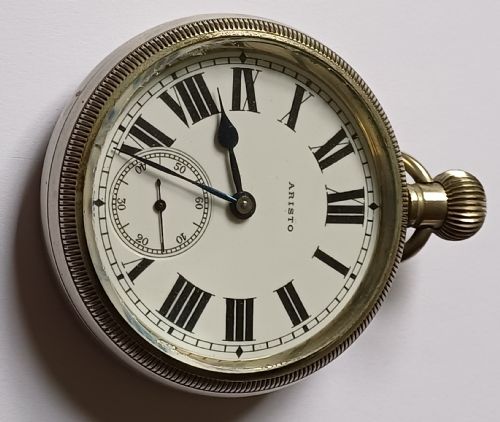


1940s Military Timepiece
A 1940s military timepiece is a robust, utilitarian instrument issued for wartime service that brings dependable mechanical character to daily wear.
1940s Military Timepiece
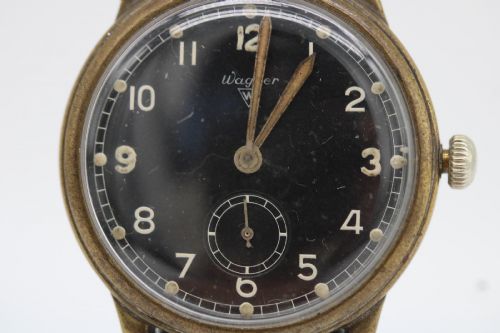
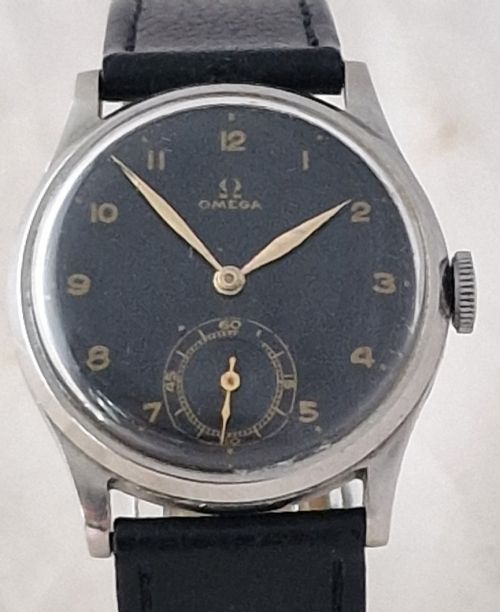
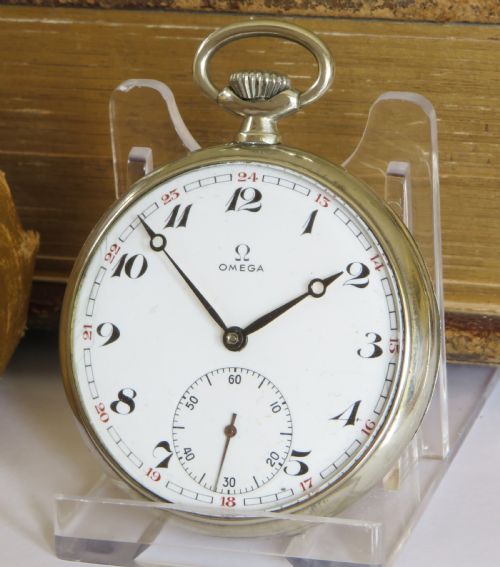
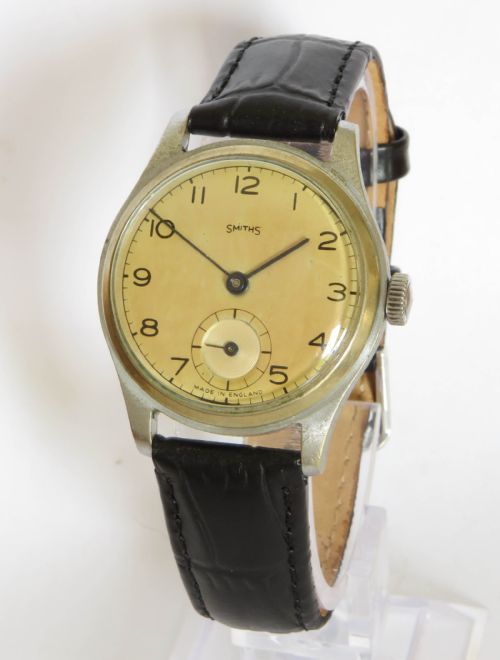
A 1940s military timepiece encompasses wristwatches, pocket watches, and mantel clocks produced during the Second World War era. These pieces served armed forces personnel across British, German, and other European services.
The wristwatches dominate the selection, featuring wristwatches by makers such as Omega, Smiths, Roamer, Ebel, Revue, and Aristo. Pocket watches and mess clocks complete the range of surviving equipment.
Styles range from specific military issue pieces like RAF and Admiralty pattern watches to German military and Luftwaffe watches, alongside civilian watches styled after military designs.
Materials and construction
Casings utilise stainless steel, chrome plate, brass, and steel to withstand demanding service conditions. Dials are protected by glass or acrylic lenses.
The selection includes pieces spanning the 1940 period, encompassing stainless steel, brass, chrome plate, glass, acrylic, and leather.
Assessing quality and condition
Quality rests upon the originality of the dial and case components, distinguishing untouched military issue pieces from heavily restored examples. Retaining original markings, such as Air Ministry stamps or specific reference numbers, adds historical substance.
The reputation of the maker, from established houses like Omega to specialist suppliers like Vertex or Smiths, influences the standing of the piece within the era.
Wagner German Military·Omega·Smiths·Roamer·Ebel·Revue·Vertex·Aristo
The 1940s Military Timepiece Glossary
- A.T.P.
- Army Trade Pattern, a specification used for watches issued to the British Army during the Second World War. These pieces were strictly regulated for military utility.
- A.M.
- Air Ministry, a government department stamp found on equipment supplied to the Royal Air Force. Such markings confirm official military provenance.
- Dial
- The face of the timepiece displaying numerals and hands. Original dials remain a key focus for collectors.
- Case
- The outer metal housing enclosing the movement. Materials include stainless steel, brass, and chrome plate.
1940s Military Timepiece: Frequently Asked Questions
How do I identify a genuine military issue watch?
Look for government department stamps, broad arrow marks, and specific reference numbers inscribed on the case back. These official markings confirm the piece was commissioned for armed forces service.
Compare these details against known records for contracts issued by entities like the Air Ministry or the Admiralty during the war.
Were these watches worn only by pilots?
Military timepieces were distributed across various branches including the Royal Air Force, the army, and the navy. Pilots received specialised pieces such as RAF pilots watches, while others served ground crews or officers in mess halls.
Different branches required distinct specifications for legibility and durability under operational conditions.
Can I wear a 1940s military watch every day?
These mechanical instruments were built for rugged service and continue to function reliably when properly maintained. However, owners should account for their vintage nature and lack of modern water resistance.
Pairing them with appropriate leather straps ensures they remain comfortable and practical for regular wrist wear.
What is the difference between military issue and military style?
Military issue pieces were officially requisitioned by government departments for service personnel and carry official service stamps. Military style watches were produced for the general civilian market, borrowing aesthetic cues from wartime equipment without the official contract history.
Both categories reflect the robust design language popularised during the 1940s.