
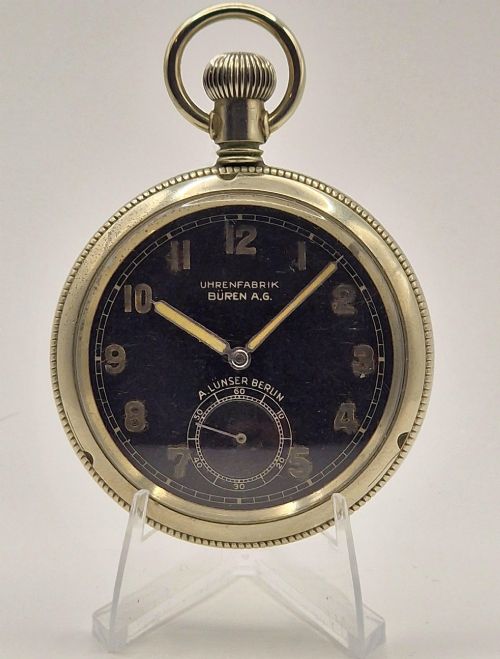
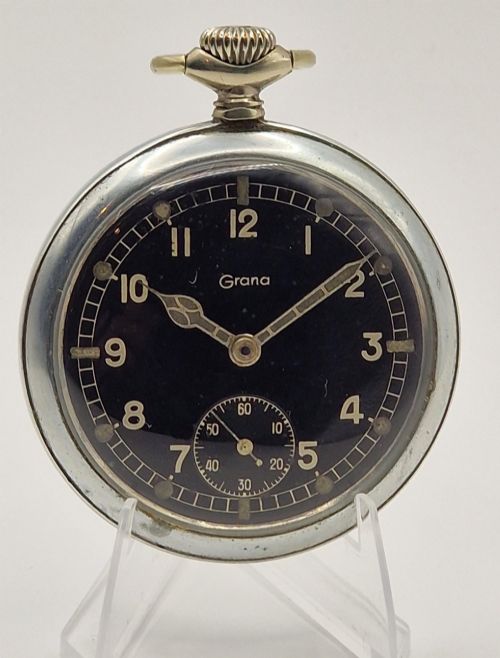
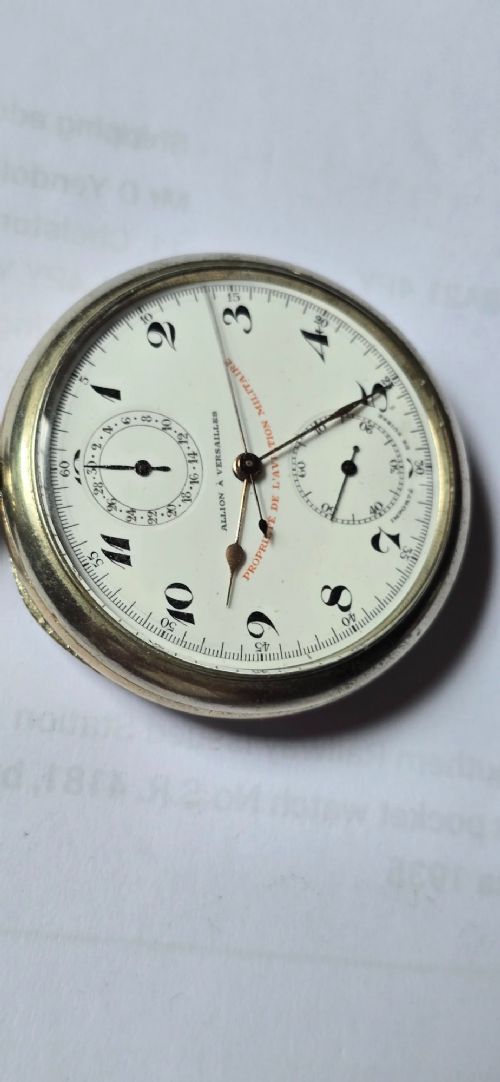
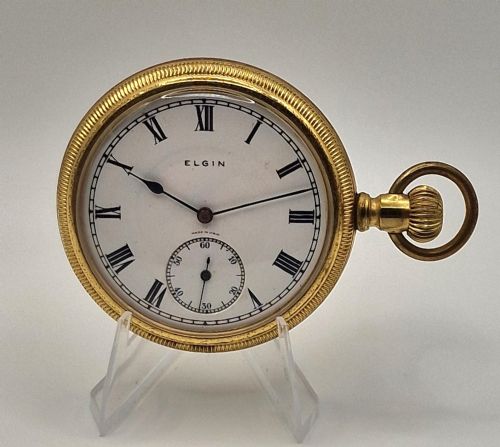

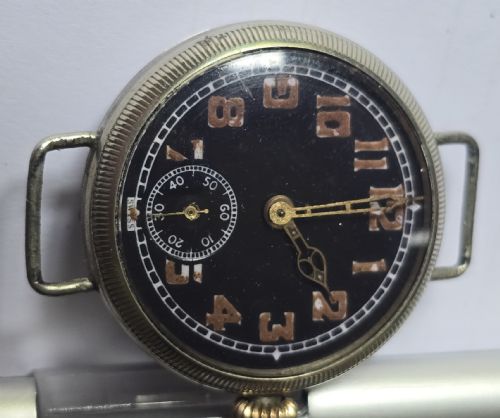
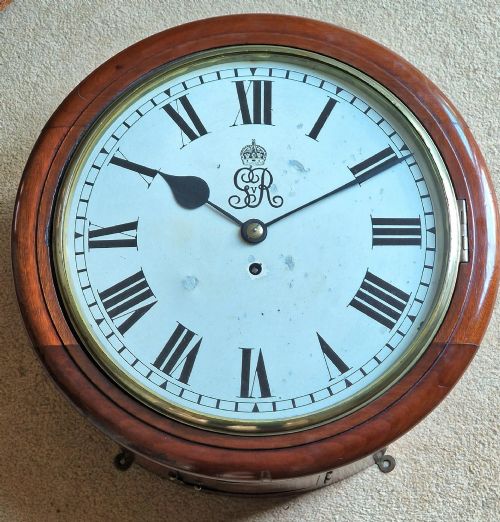

Antique Military Timepiece
An antique military timepiece holds the practical engineering and focused design demanded by armed forces across changing periods of conflict.
Antique Military Timepiece
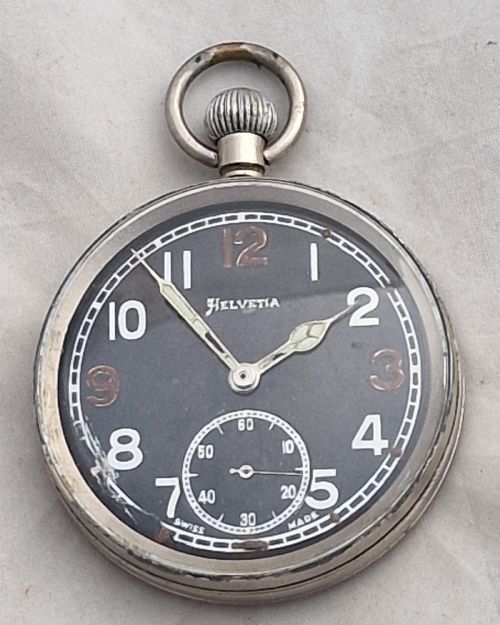
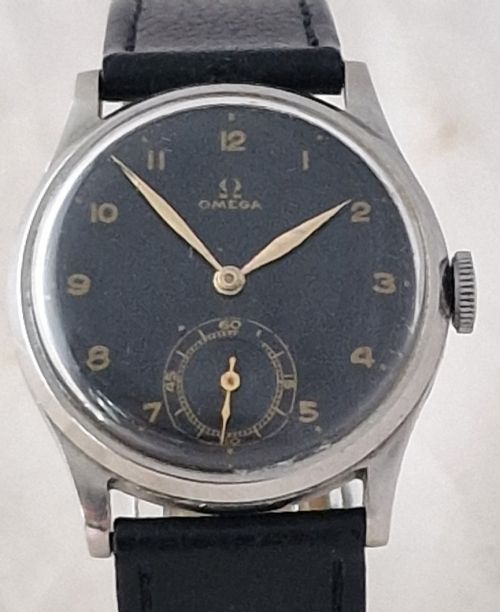
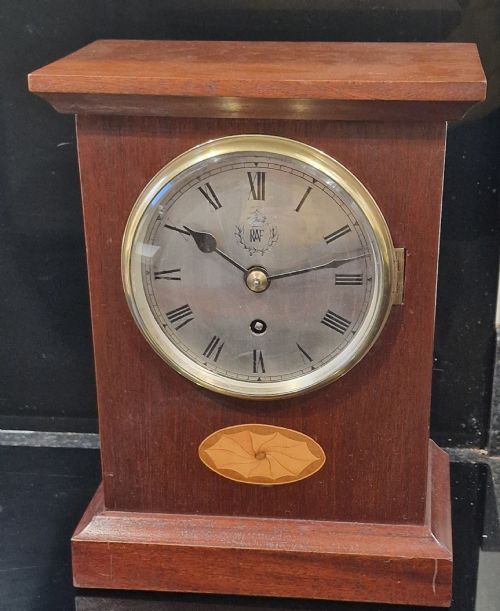
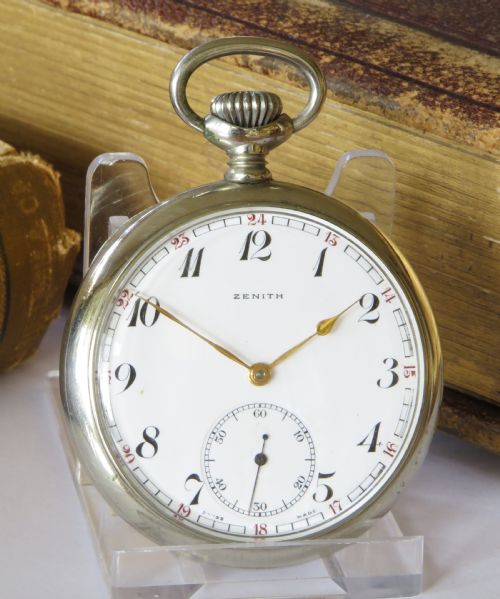
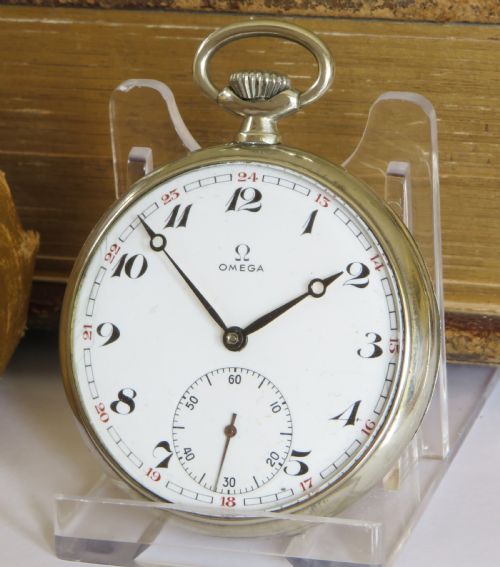
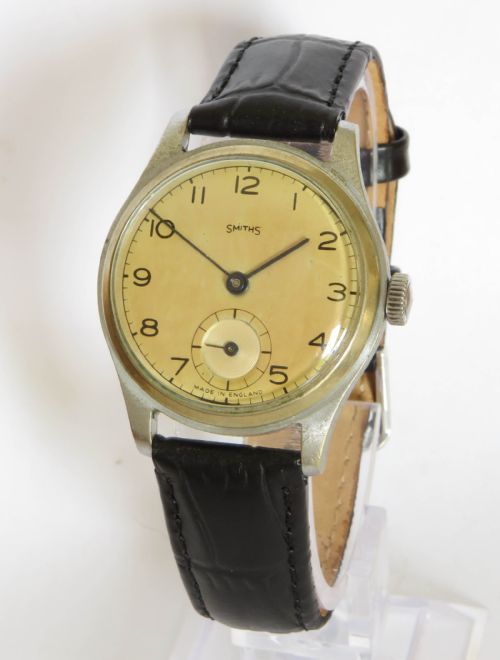
Every antique military timepiece represents a functional instrument issued to personnel, regiments, or mess halls during active service. When exploring an antique military timepiece, buyers most frequently encounter items spanning the nineteenth century through the mid-twentieth century, including wristwatches, pocket watches, deck watches, wall clocks, and mantel clocks.
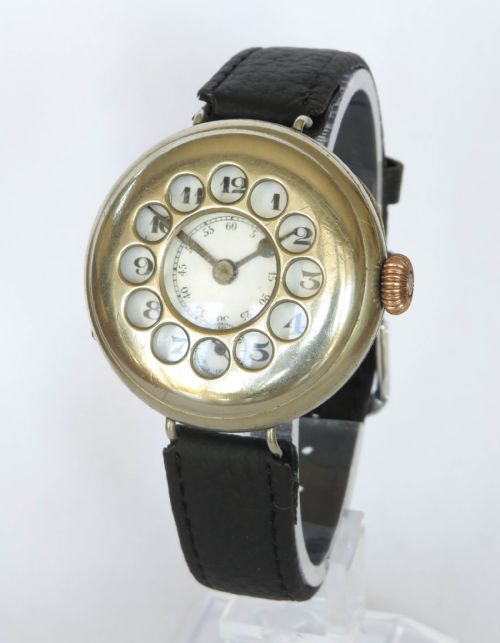
The selection ranges from early trench watches bearing shrapnel guards and first world war military markers to second world war aviator instruments and officers mess clocks. These objects cross multiple stylistic categories, encompassing art deco influences, french empire designs, and interwar military configurations.
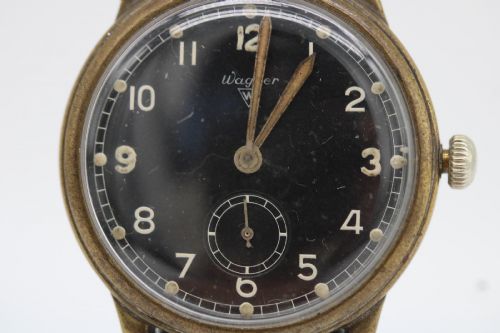
Origins vary from British deployments associated with the royal flying corps and the admiralty to continental European manufacturers producing watches for German forces or Ottoman clients. Each piece serves as a physical record of government-issue standards and operational necessity.
Materials and construction
Construction relies heavily on robust metals suited to rigorous fieldwork, utilising brass, stainless steel, nickel, and silver alongside durable glass crystals to protect legible enamel dials. Cabinets and desk housings employ timber varieties such as mahogany and oak, while portable instruments incorporate fitted leather elements.
Movements span precision pocket watch calibres and eight-day striking mechanisms, housed within protective cases stamped with official broad arrow markings or serial numbers. Makers combined utilitarian dial typography with specialised casing to withstand moisture, shock, and dust during operational deployment.
Listings feature items spanning the 19th century through the 1950s, utilising brass, stainless steel, silver, glass, enamel, leather, and mahogany.
Distinctions in quality
Quality within these instruments rests upon the precision of the movement, the legibility of the dial under adverse conditions, and the clarity of military issue markings. High-tier examples retain their original dials, verified government broad arrows, and specific service numbers that link the hardware to documented military branches.
The sophistication of the casing also dictates distinction, moving from standard base-metal utility issues to refined silver pocket watch bodies or specialised cockpit mountings. Preserved mechanical integrity and untouched factory specifications ultimately separate standard mass-issued pieces from exceptional surviving artefacts.
Helvetia·Eterna·Wagner·Omega·Smiths·Zenith·Roamer·Ebel·Aristo·Tritona·Elliott Brothers·Tissot
The Antique Military Timepiece Glossary
- Shrapnel guard
- A protective metal grille fitted over the glass crystal of early trench watches to prevent shattering during combat. This removable or hinged accessory defines pieces from the first world war period.
- Broad arrow
- The official government mark stamped onto military hardware to denote Crown ownership. Seeing this symbol confirms official military issue status.
- Deck watch
- A precise portable timepiece utilised for navigational calculations aboard naval vessels. These watches bridge the gap between pocket timepieces and larger marine chronometers.
- Enamel dial
- A fused glass powder surface applied to a metal base plate to create a crisp, permanent white or black face. They provide high contrast and resist fading over decades of service.
- Cockpit watch
- A specialised timepiece mounted directly into the instrument panel of military aircraft. These clocks required anti-vibration properties and clear legibility for aviators.
Antique Military Timepiece: Frequently Asked Questions
How do I identify a genuine military watch?
Examine the dial and case back for official government issue numbers, department stamps, and broad arrow symbols denoting military service. Authentic pieces usually feature specific military casing specifications rather than civilian retail styling.
Compare the movement calibre and dial configuration against documented service contracts from the issuing branch to verify historical accuracy.
What is a trench watch?
A trench watch is an early wristwatch developed during the first world war to allow soldiers to check the time quickly during combat without fumbling with pocket watches. They often feature wire loop lugs soldered to the case and luminous paint on the numerals.
Many surviving examples include protective shrapnel guards mounted over the glass crystal to prevent breakage in the field.
How should I care for an antique clock?
Keep mechanical clocks away from direct sunlight, extreme temperature fluctuations, and damp environments that can affect the timber case and internal metal components. Regular professional servicing ensures the gear train and striking mechanism remain functional.
Wind eight-day movements gently with the correct key and avoid over-tensioning the mainspring to preserve the historic mechanism.
Were these watches worn in combat?
Many timepieces were issued directly to officers, pilots, and naval personnel for active deployment during major conflicts like the first and second world wars. Their design prioritized durability and legibility under active service conditions.
Some pieces served in non-combat military roles such as mess halls, barracks, or administrative offices.