

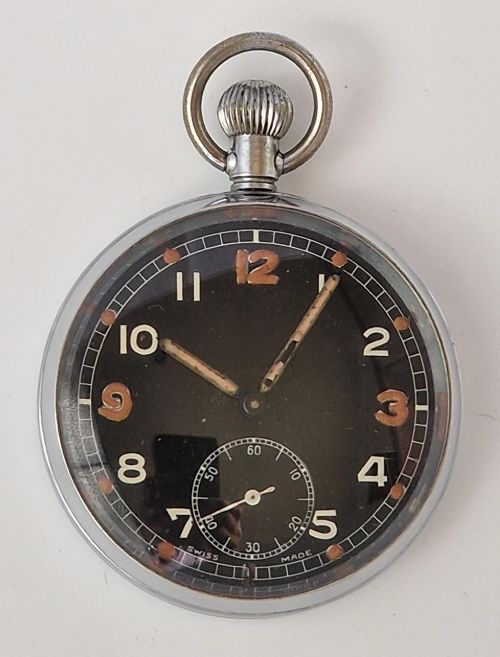
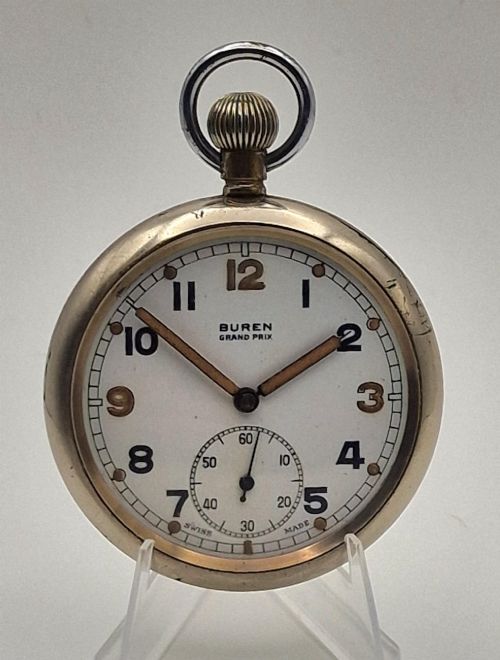
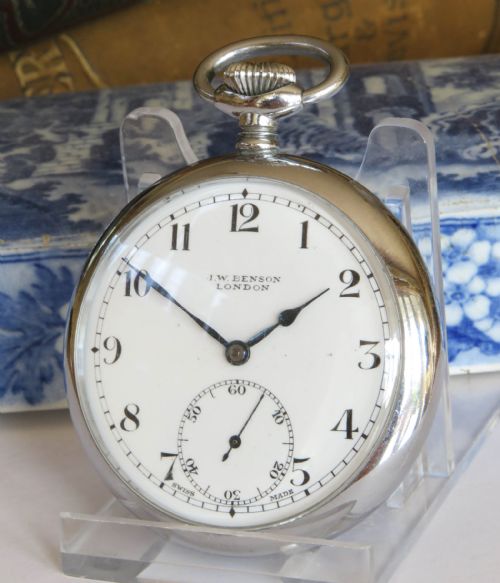
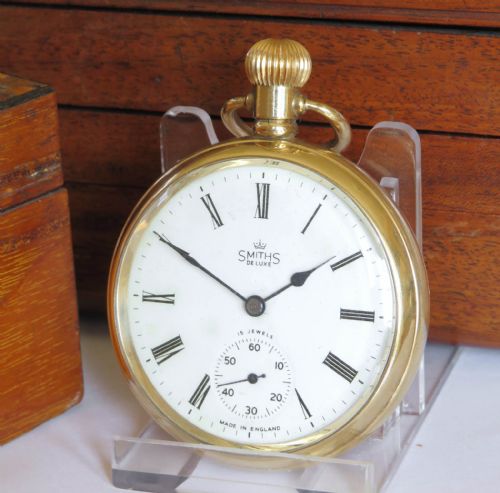
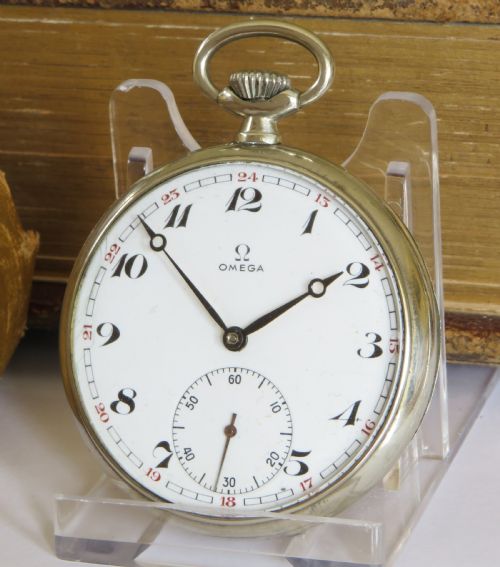
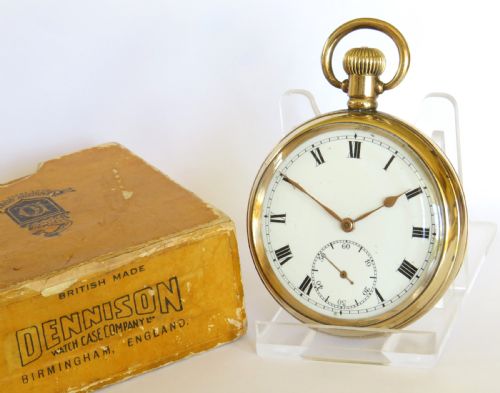
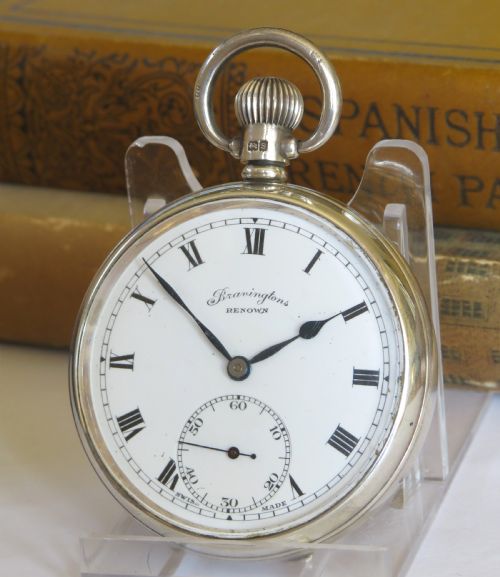


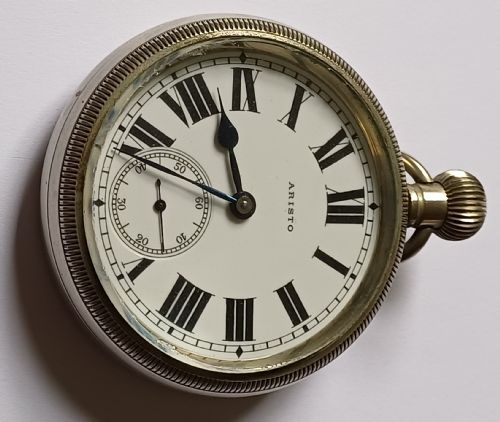
1940s Open Face Pocket Watch
A 1940s open face pocket watch offers utilitarian charm and precise wartime history, providing a tactile connection to the mid-century era.
1940s Open Face Pocket Watch
When you search for a 1940s open face pocket watch, you encounter timepieces designed for military service, naval operations, and everyday civilian use during a tumultuous decade. These instruments lack a protective hinged front cover, allowing an immediate view of the dial without manipulation.
The specimens you are most likely to meet on this page span styles such as Mid-Century Military, Art Deco, and British civilian production. They represent a period when portable timekeeping was essential for navigation, duty, and punctuality.
Makers from this era produced robust instruments intended for rigorous handling, whether issued to armed forces or retailed by high street jewellers. Their straightforward design prioritised legibility and mechanical reliability above ornamentation.
Materials and construction
Cases utilise durable metals including brass, steel, gold plate, chrome plate, nickel, and occasionally silver, reflecting wartime metal rationing and civilian preferences. Dials feature clear enamel finishes with contrasting numerals for rapid reading in dim conditions.
Protective glass crystals shield the face, while internal mechanical movements rely on precision steel components housed within sturdy chassis. Some iterations were accompanied by specialised storage boxes made of cardboard or rigid materials to protect them during distribution.
1940s Open Face Pocket Watch Retail Price Guide 2026
Typical asking prices for 1940s open face pocket watch among the pieces listed under this phrase on Sellingantiques today, from the lower quarter to the upper quarter. They describe what is for sale here now, not the wider market.
Listings feature items from the year 1940, encompassing styles such as Mid-Century, Art Deco, and 1940s Military.
Assessing quality and origin
Quality diverges between standard commercial civilian models and specialised military issues bearing specific government department markings or broad arrow symbols. Pieces commissioned for naval artillery or military service demand strict adherence to rigorous performance standards.
The reputation of the maker, from established British firms to notable Swiss houses, significantly influences the distinction between standard production and superior craftsmanship. Preservation of original dials, hands, and casework further separates exceptional examples from heavily altered ones.
Buren·J W Benson·Smiths·Revue·Omega·Bravingtons Renown·Helvetia·Aristo
The 1940s Open Face Pocket Watch Glossary
- Open face
- A pocket watch design without a hinged metal cover over the crystal, exposing the dial directly to the viewer. This format originated to allow instant time reading without opening a case.
- Chronograph
- A watch equipped with a stopwatch function alongside regular timekeeping displays. This complication was vital for precise timing in military and naval artillery applications.
- Enamel dial
- A fused glass powder surface applied to a metal base, fired at high temperatures to create a smooth, durable white face. Numerals and markings are typically baked directly into this glazed layer.
- Admiralty Pattern
- A formal specification issued by the British Admiralty for equipment supplied to the Royal Navy. Items bearing these designations met strict governmental performance criteria.
1940s Open Face Pocket Watch: Frequently Asked Questions
How do military and civilian watches differ?
Military versions often feature specific issue markings, luminous dials, and robust nickel or steel cases built for rugged service conditions. Civilian counterparts tend to use decorative metals like gold plate and display more ornate Art Deco styling.
Civilian pieces were retailed through high street jewellers for everyday personal use, whereas military timepieces were strictly regulated and distributed according to official governmental contracts.
What is an Admiralty Pattern?
An Admiralty Pattern designation indicates equipment manufactured specifically to meet the rigid technical requirements of the Royal Navy. These pieces were tested for reliability under demanding maritime conditions.
Such markings confirm that the timepiece served a direct operational purpose within naval forces during the conflict.
How should I store these watches?
Store your timepiece in a dry, stable environment away from direct sunlight and extreme temperature fluctuations. Keeping them in dedicated presentation boxes or protective pouches prevents accidental surface scratching.
Regular gentle handling and occasional winding ensure the internal mechanical components remain lubricated and functional.
Can I wear a pocket watch daily?
These instruments were originally constructed for daily utility, making them robust enough for careful contemporary wear. Securing them with a suitable chain prevents drops and impacts against hard surfaces.
Because they lack modern shock resistance, avoid wearing them during vigorous physical activities or heavy manual work.