
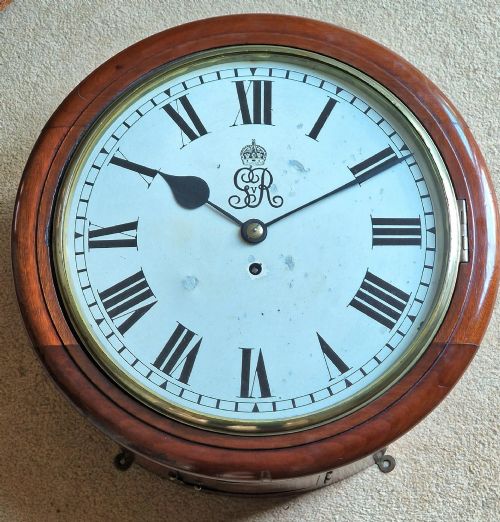


Vintage Military Timepiece
A vintage military timepiece is a utilitarian instrument designed for combat service, offering rugged reliability and authentic historical character.
Vintage Military Timepiece
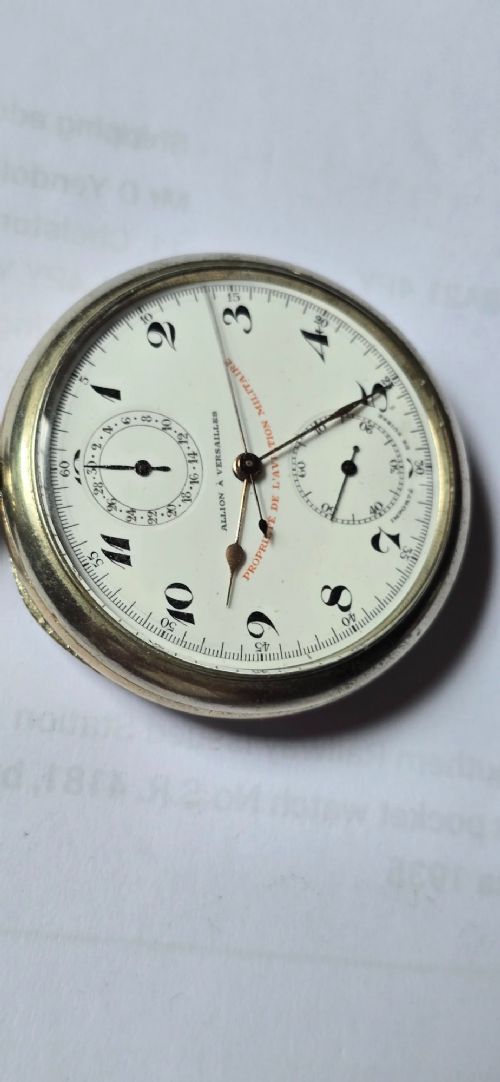
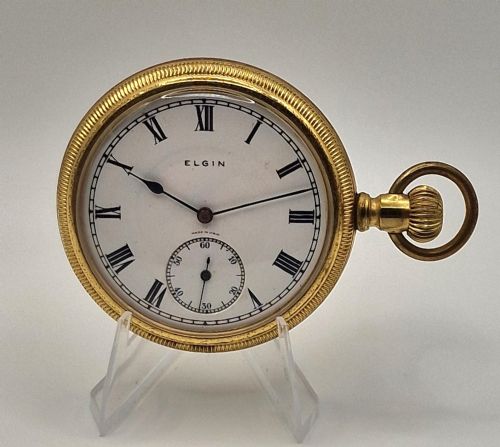
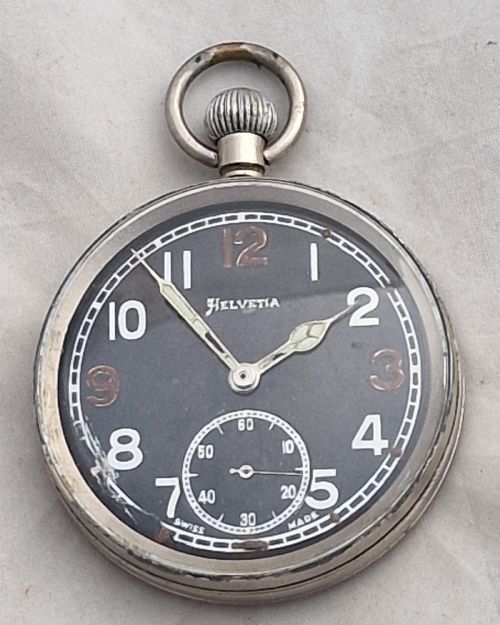
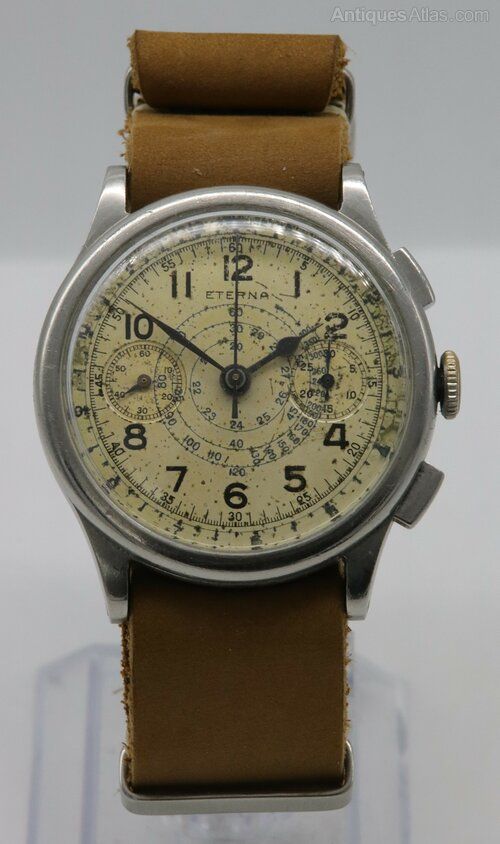
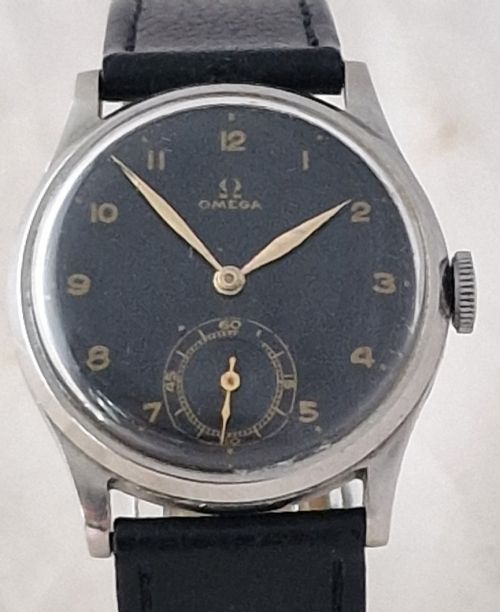
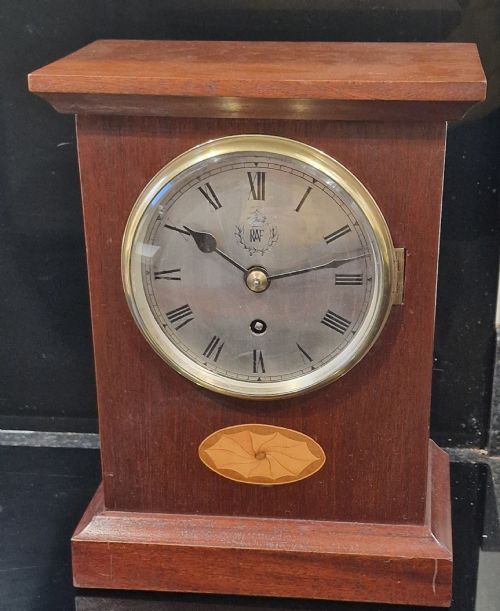
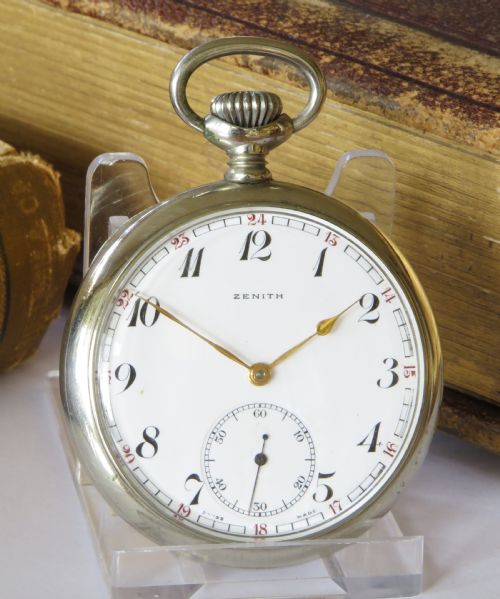
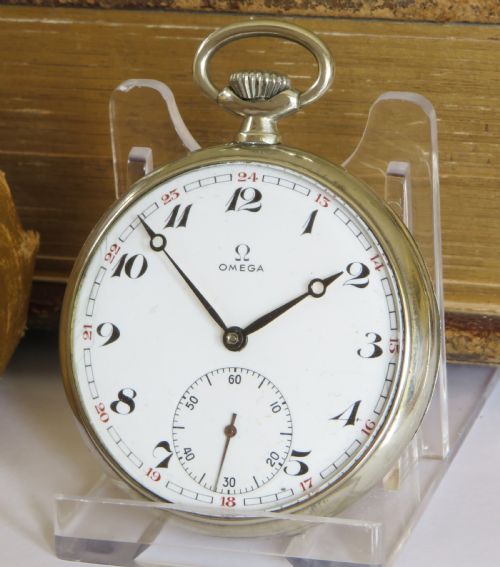
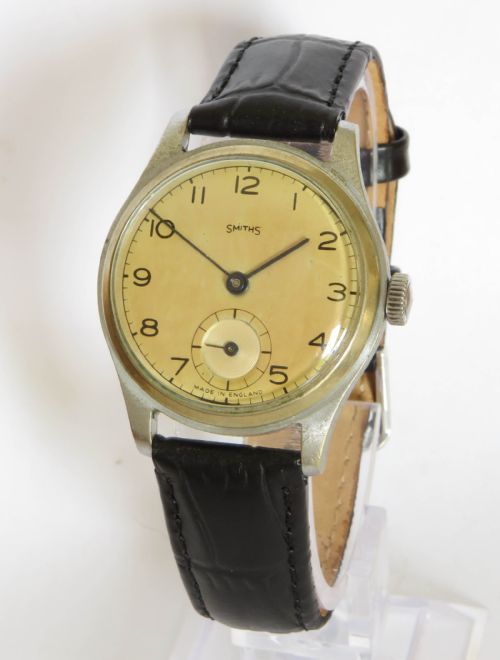
A vintage military timepiece comprises wristwatches and pocket watches issued to or utilised by armed forces during periods of conflict. When you search for a vintage military timepiece, you encounter wristwatches originating from the First World War and the Second World War.
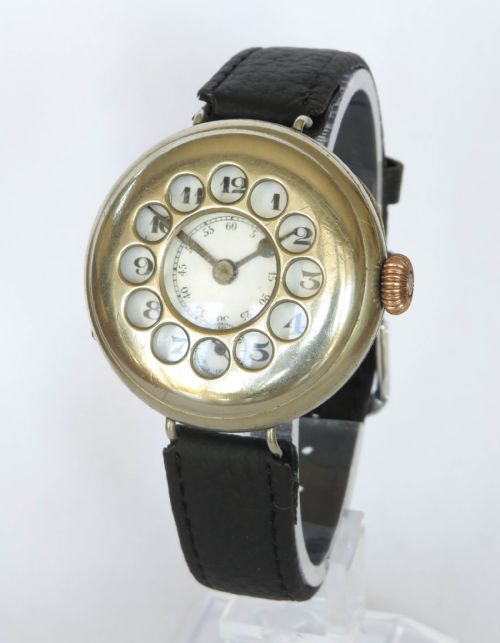
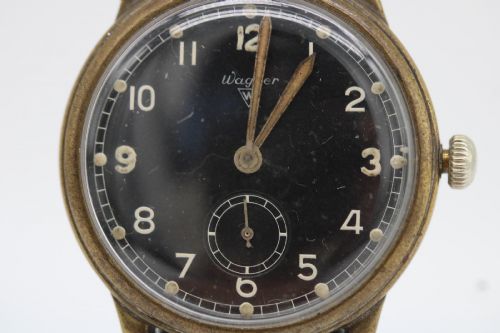
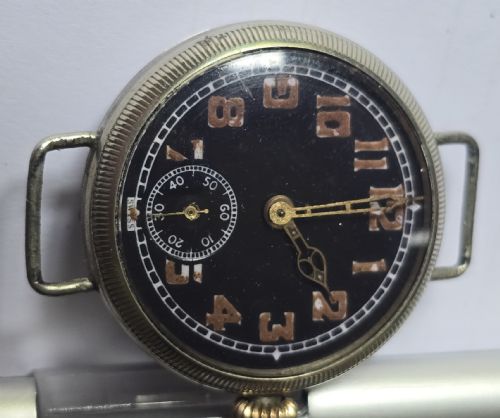
The First World War era is represented by trench watches, often featuring protective shrapnel guards and black dials with military markings. The Second World War era introduces pieces such as the German military watch by Wagner, measuring thirty-six millimetres with an original dial.
These items originate from the nineteen-tens and nineteen-forties. Buyers typically meet trench watches with original service markings and wristwatches featuring steel, silver, brass, nickel, glass, enamel, and leather components.
How they were made
Construction relies on robust metals including silver, brass, steel, and nickel to withstand field conditions. Dials feature enamel finishes with clear numerals, paired with glass crystals and leather straps.
Makers incorporated functional elements directly into the design, such as metal shrapnel guards fitted over the glass to protect the face during active service. Original military markings and issue numbers were inscribed directly onto the case or dial during production.
Some early trench watches wear their time beneath iron cages, treating the glass face like a medieval knight heading into battle.
What varies in quality
Quality separates standard service issues from exceptional survivals based on the preservation of original components. Pieces retaining their factory dials, clear military markings, and functional shrapnel guards represent the upper tier of the range.
The presence of undamaged enamel dials and authentic leather straps distinguishes superior examples from heavily altered pieces. Legibility of issue numbers and the integrity of the metal case materials further define the hierarchy.
Wagner
The Vintage Military Timepiece Glossary
- Trench watch
- A wristwatch adapted from pocket watch designs for use by soldiers in the trenches during the First World War. These typically feature wire lugs soldered to the case.
- Shrapnel guard
- A protective metal grille fitted over the watch glass to prevent breakage during combat. This removable accessory is characteristic of early military wristwatches.
- Military markings
- Official symbols and serial numbers stamped or engraved onto the case back or dial. The broad arrow symbol is a common example denoting government property.
- Enamel dial
- A fused glass powder surface fired onto a metal base to create a durable, glossy face. These dials provide high contrast for legibility in poor light.
Vintage Military Timepiece: Frequently Asked Questions
What is a trench watch?
A trench watch is an early wristwatch designed for military officers and soldiers during the First World War. These pieces bridged the gap between pocket watches and modern wristwatches.
They feature wire lugs and robust cases to endure harsh field conditions. Many include protective grilles over the glass.
How do I identify a military watch?
Military watches bear specific government issue markings, serial numbers, and broad arrow symbols on the case or dial. These stamps confirm official procurement by armed forces.
They also utilise high-contrast dials and durable metal cases made of steel, silver, nickel, or brass. The absence of decorative flourishes distinguishes them from civilian pieces.
What materials were used?
Makers utilised hard-wearing materials capable of resisting moisture and impact during combat service. Cases are constructed from steel, silver, brass, or nickel.
Faces feature enamel surfaces paired with glass crystals and leather straps. Each material served a strictly utilitarian purpose.
How should I store mine?
Keep your timepiece in a dry environment away from direct sunlight and extreme temperature fluctuations. A padded watch box prevents accidental impact damage.
Leather straps benefit from occasional conditioning to maintain suppleness. Avoid exposing vintage components to moisture.