
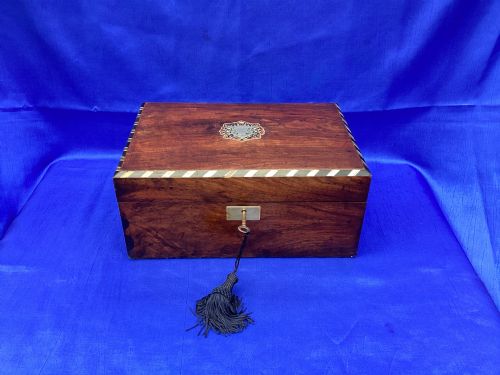
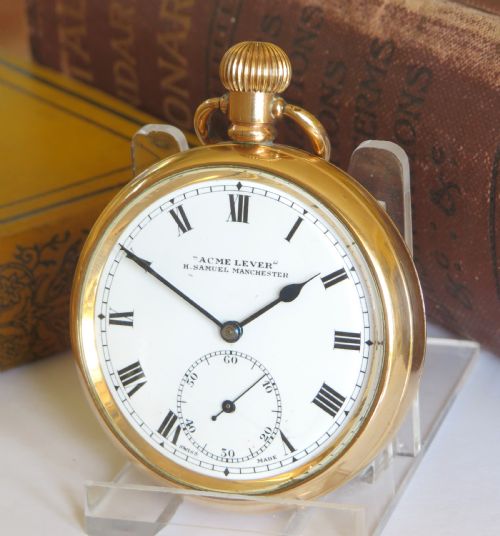
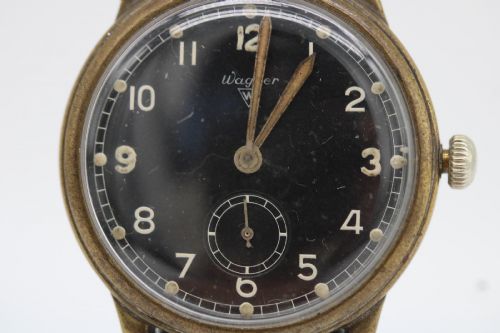
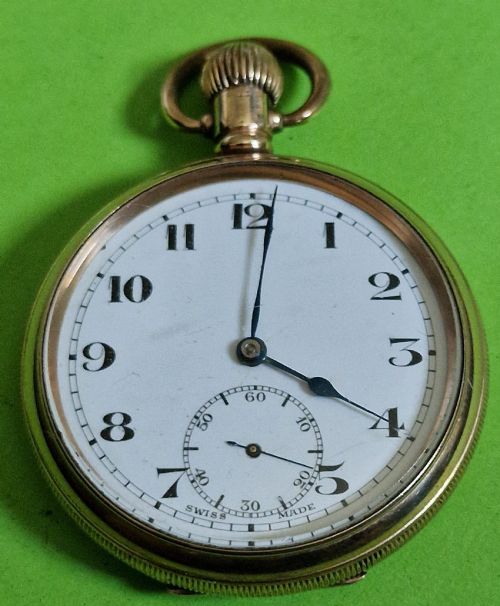


Brass Case Watch
These brass case watch items bring utilitarian design and mechanical weight to the pocket, desk or wrist.
Brass Case Watch
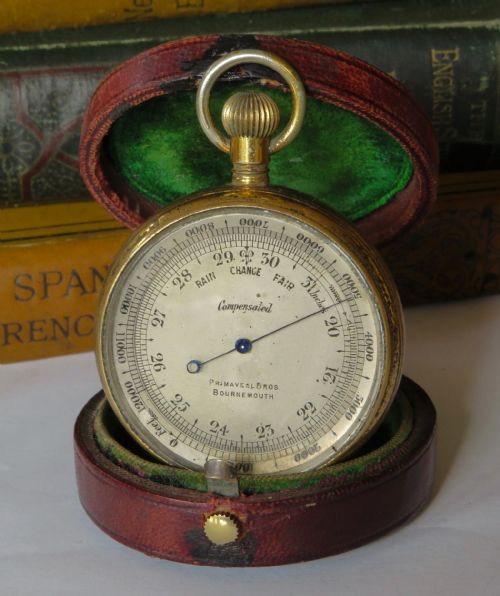
A brass case watch search covers a range of portable timepieces, pocket barometers and fitted holding boxes that span from the Victorian era through to mid-century military issues. The pieces appearing here run from open-face and full hunter pocket watches to specialised railway issues and wristwatch formats.
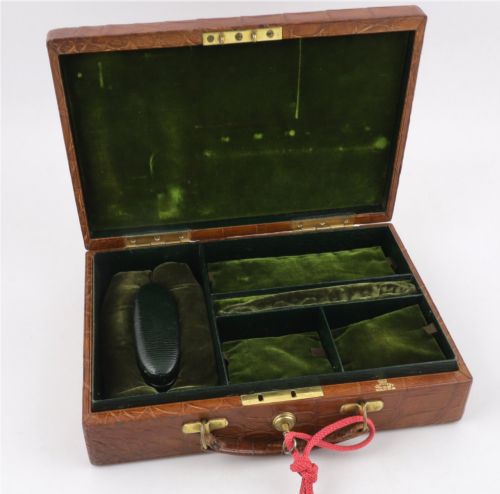
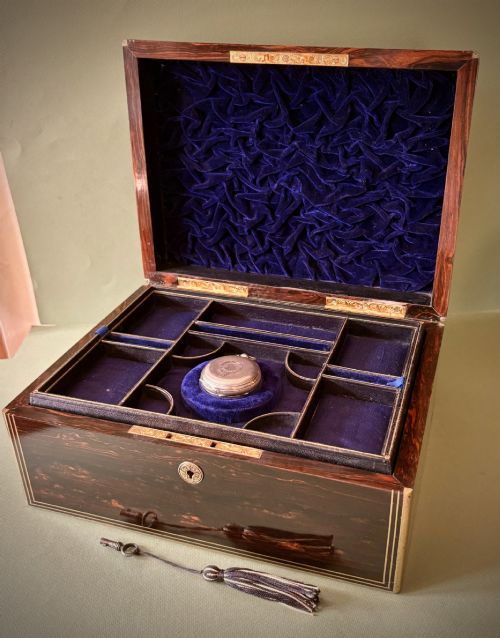
The selection includes specimens housed in protective metal alongside associated containers like jewellery watch boxes lined with velvet and leather. These objects reflect both daily personal utility and transport administration from the nineteenth and twentieth centuries.
Buyers meet items bearing distinct period signatures, from ornate nineteenth-century engraving and Georgian styling to the starker utilitarian dials of the Second World War era. Each object serves either to measure time or to store these mechanical pieces safely.
Judging Quality and Finish
Quality reveals itself in the crispness of dial lettering, the integrity of the enamel face without hairline fractures, and the smoothness of the button wind or lever action. Better examples maintain original matching hands and unpolished metal housings that retain their factory lines.
The sophistication of the internal movement distinguishes standard production runs from higher-grade signed pieces, such as those issued to railways or manufactured by established watchmaking firms. Storage boxes vary by the tightness of their joinery, the quality of internal velvet linings, and the preservation of original leather exteriors.
Listings feature brass case watch items spanning from the Victorian period through to the 1940s, encompassing pocket watches, barometers and fitted mahogany display boxes.
J C Vickery·H Samuel·John Walker·Stauffer IWC·Helvetia·Wagner
The Brass Case Watch Glossary
- Full Hunter
- A pocket watch featuring a spring-loaded metal cover that protects the glass dial from scratches and impacts. This design requires the user to press a button on the crown to open the lid and read the time.
- Button Wind
- A mechanism allowing the mainspring to be wound via the crown at the top of the watch rather than using a separate key. This innovation became standard on most late nineteenth and twentieth-century timepieces.
- Altimeter
- An instrument that measures altitude by atmospheric pressure, occasionally integrated into pocket-sized brass housings alongside barometer functions. These portable units were carried by early aviators, mountaineers and surveyors.
- Calibre
- The specific internal movement design and manufacture used within a watch. Collectors reference these trade numbers to identify the origin and mechanical layout of the gear train.
- Bijouterie Table
- A glazed display table designed specifically for showcasing small valuable objects such as pocket watches and jewellery. These pieces elevate portable collections into static furniture items.
Brass Case Watch: Frequently Asked Questions
How do I wind a vintage pocket watch?
Most twentieth-century pieces utilise a button wind mechanism where you rotate the crown clockwise until firm resistance indicates the mainspring is fully tensioned.
Avoid forcing the crown past this point to prevent snapping the internal spring.
Were brass case watches waterproof?
Historical pocket watches and military pieces were generally dust-resistant and damp-resistant rather than waterproof. Their hinged cases and glass crystals protected movements from everyday elements but were not sealed for submersion.
Keep these items well away from water during daily wear or display.
How do I date a brass pocket watch?
Examine the dial typography, movement serial numbers, and interior case hallmarks to establish a manufacturing decade. Stylistic shifts between Victorian ornamentation and later military minimalism provide clear chronological markers.
Makers' marks and railway issue numbers also narrow down the production period significantly.
How should I store a pocket watch?
Store timepieces in dedicated watch boxes lined with soft materials like velvet or leather to prevent exterior brass scratching. Keep them in a stable environment away from direct sunlight and excessive humidity.
Laying them flat on a clean surface or hanging them in a proper display case prevents mechanical wear.
What is a railway issued watch?
Railway issued timepieces were heavy-duty watches commissioned by transport networks to ensure exact synchronization for station masters and train crews. These pieces required high-precision movements and clear dials for strict timekeeping.
They often bear specific company engravings and issue numbers on the reverse metal casing.