
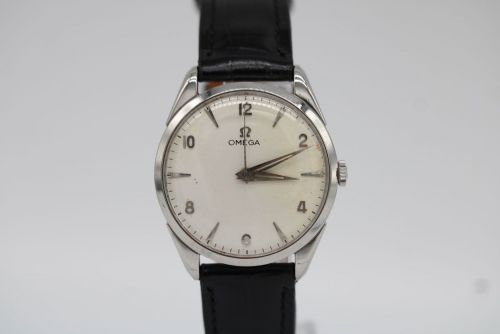
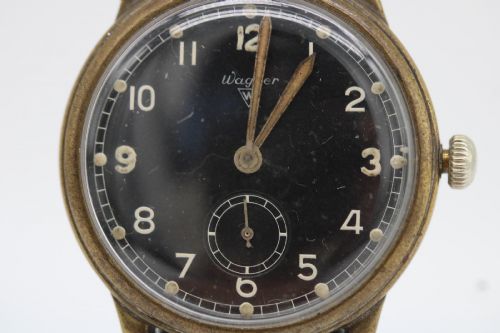
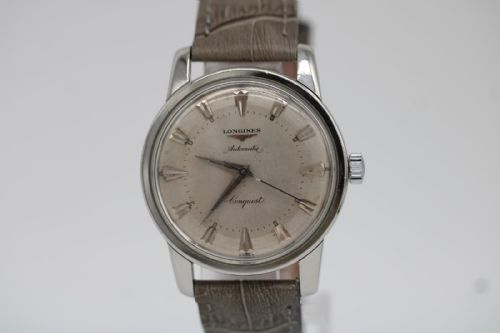


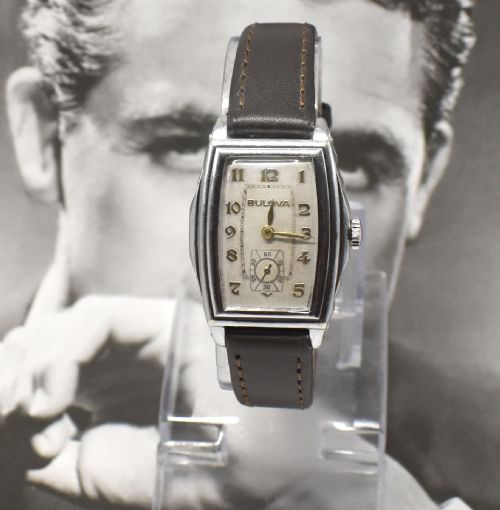
Antique Service Watch
An antique service watch brings military history and mechanical precision to the wrist, offering a tangible link to the mid-twentieth century.
Antique Service Watch
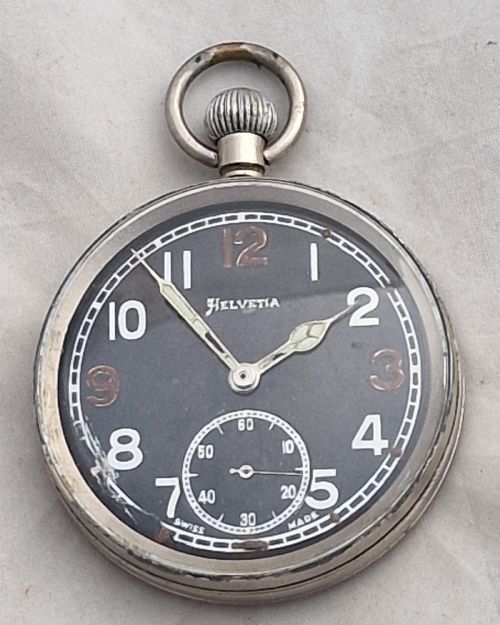
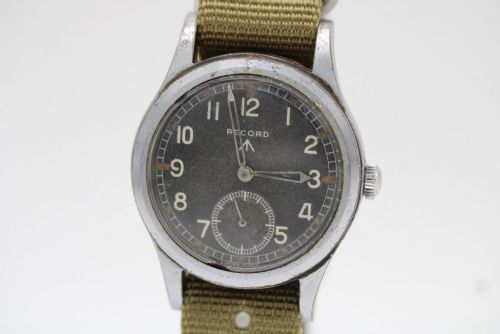
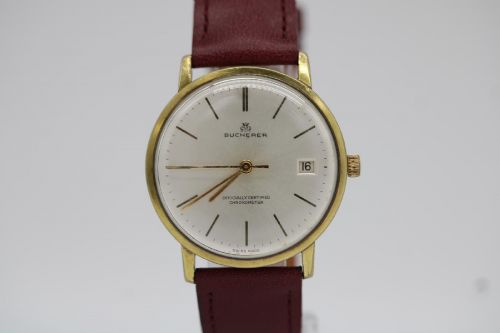
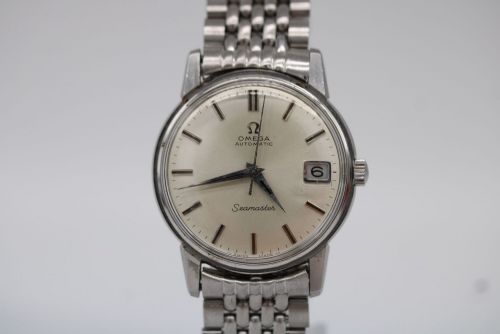
An antique service watch encompasses both military issue timepieces and civilian dress watches that have been serviced and maintained over decades. Buyers seeking an antique service watch will frequently encounter pieces originating from the 1920s, 1930s, and 1940s.
The selection ranges from robust military field watches, including British and German military issues from the Second World War, to elegant Art Deco ladies and gents wristwatches and pocket watches. These items showcase the functional demands of wartime alongside the decorative trends of the interwar period.
Forms vary from classic round steel military configurations to rectangular tank style wristwatches and pocket watch formats. Many of these pieces come freshly serviced, maintaining the manual winding mechanisms that powered daily life across the decades.
Materials and construction
Cases utilise metals such as stainless steel, chrome, brass, nickel, and gold fill, paired with glass crystals and leather straps. Military issues favour durable steel and brass for resilience, while Art Deco dress pieces employ gold plating and white gold fill.
Movements rely on mechanical manual wind calibres housed within protective metal cases. Dials feature original markings, luminous hands, and Arabic numerals tailored for legibility in service conditions or refined readability in dress models.
The listings span the 1920s to the 1940s, featuring materials such as stainless steel, chrome, brass, and gold fill.
Distinctions in quality
The grade of an antique service watch rests upon the originality of its dial and the precision of its mechanical movement. Original military markings and unaltered dials command greater attention from collectors than modified components.
Case materials also dictate the tier of the piece, with solid stainless steel and gold filling showing superior wear resistance compared to basic chrome plating. Recent professional servicing ensures mechanical reliability, distinguishing functional examples from dormant ones.
Helvetia·Record·Wagner·Elgin·Omega·Bulova·Benrus
The Antique Service Watch Glossary
- Calibre
- The specific internal movement design of a watch. Makers use this term to identify the mechanical layout.
- Dirty Dozen
- A group of twelve watch manufacturers that supplied waterproof wristwatches to the British Ministry of Defence during the Second World War.
- Tank style
- A rectangular watch case design inspired by military tanks of the First World War. This geometric form defined much of the Art Deco jewellery aesthetic.
- Gold filled
- A manufacturing technique where a layer of gold is bonded to a base metal core. This provides greater durability than standard surface plating.
- Manual wind
- A mechanical watch movement that requires the wearer to turn the crown by hand to tension the mainspring.
Antique Service Watch: Frequently Asked Questions
How do I wind a manual watch?
Turn the crown clockwise between your thumb and forefinger until you feel gentle resistance. Stop immediately to avoid damaging the mainspring.
Wind the watch at a consistent time each day to maintain steady timekeeping performance.
Are these watches waterproof?
Original water resistance seals degrade over decades of use and age. Treat these pieces as entirely non-waterproof to protect the delicate internal movement.
Keep them away from rain, sinks, and high humidity environments.
How do I identify a military issue watch?
Look for government broad arrow marks, serial numbers, and specific service codes engraved on the case back. Military pieces from this era prioritise high legibility and robust steel construction.
Civilian models typically display decorative Art Deco case designs and signed maker dials.
How often should an antique watch be serviced?
Mechanical watches require periodic cleaning and lubrication to prevent wear on metal gears. A professional service every few years ensures the oils do not dry out.
Regular maintenance preserves the longevity of the vintage movement.