

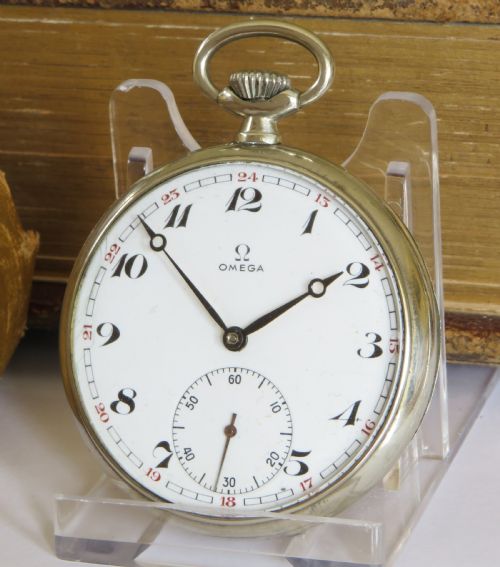


Vintage Horology Military Watch
These vintage horology military watch pieces deliver rugged utility and precision engineering, offering buyers a tangible piece of twentieth-century history.
Vintage Horology Military Watch
When buyers search for a vintage horology military watch, they are looking at timepieces issued to armed forces or built with military specifications in mind during the nineteenth and twentieth centuries. The selection on this page centres primarily on wristwatches and pocket watches spanning the late Victorian era through the mid-twentieth century.
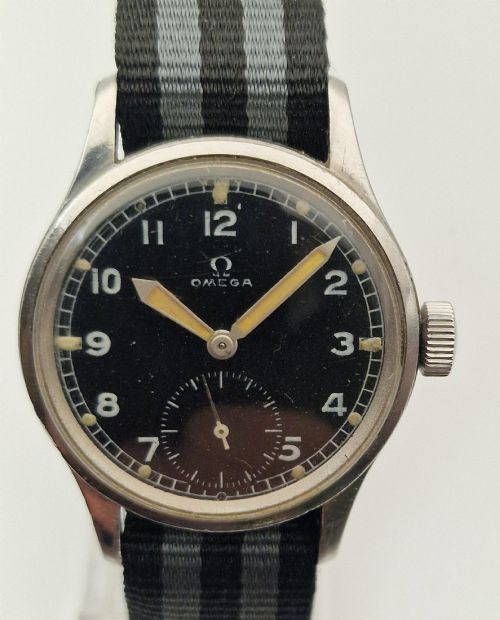
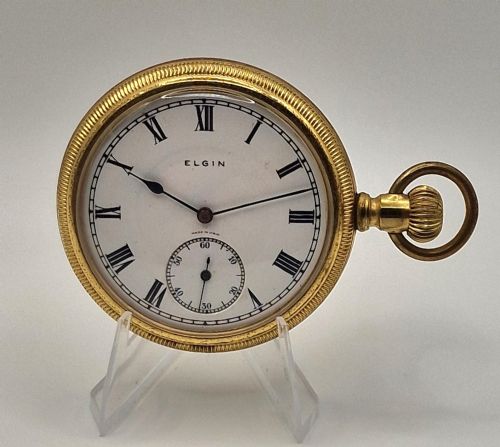
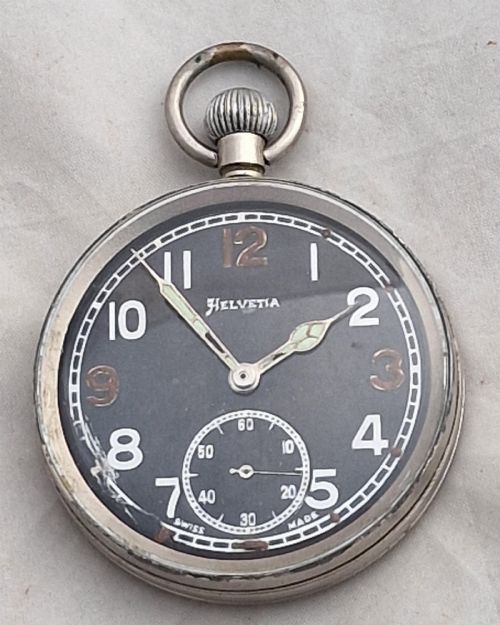
Pocket watches and wristwatches dominate the available forms, originating from periods such as the 1940s, the 1920s, and the 19th century. Buyers will frequently encounter pieces associated with specific conflicts and military branches, including Second World War military issues and naval artillery chronographs.
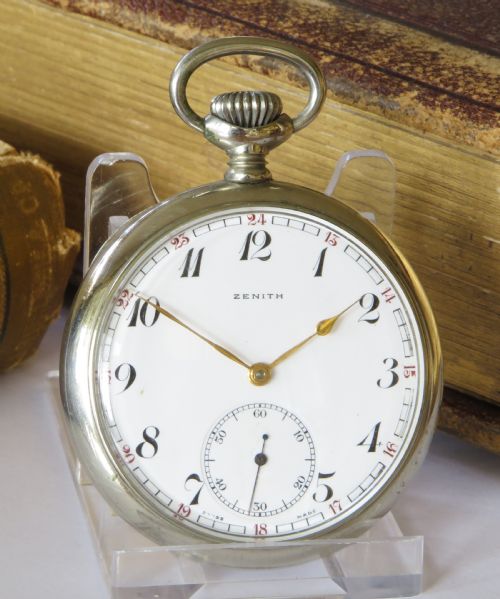
The assortment reflects diverse international origins, encompassing Swiss horology, German military issues, and British Army Trade Pattern pieces. Elgin, Omega, Helvetia, Zenith, Tritona, and Timor represent the prominent names found across these listings.
How they were made
Makers utilised robust metals such as stainless steel, steel, nickel, and chrome to construct durable cases capable of withstanding harsh field conditions. Silver also appears in pocket watch construction, frequently paired with chains and military fobs.
Dials protected by glass feature enamel work, while straps and attachments incorporate fabric elements. Movement construction relies on specialised Swiss calibres, such as the Cal AS 1130, alongside complex mechanisms like split-second rattrapante functions.
Vintage Horology Military Watch Retail Price Guide 2026
Typical asking prices for vintage horology military watch among the pieces listed under this phrase on Sellingantiques today, from the lower quarter to the upper quarter. They describe what is for sale here now, not the wider market.
One Swiss silver pocket watch arrives bearing Ottoman military arms and Cyrillic inscriptions, proving that nineteenth-century timepieces truly travelled across borders.
What varies in quality
The calibre of movement and the complexity of the mechanism determine the standing of an individual piece, ranging from standard issue timepieces to sophisticated chronographs. Complications such as split-second rattrapante functions or artillery chronograph capabilities elevate the technical achievement of the horology.
The purity and integrity of materials, from solid silver cases to specialised military markings like Ottoman military arms and Cyrillic inscriptions, influence the character of the watch. Provenance linked to specific military branches, such as German Kriegsmarine issuance or ATP designations, further distinguishes the examples.
Omega·Elgin·Helvetia·Zenith·Tritona·Timor
The Vintage Horology Military Watch Glossary
- Calibre
- The specific internal movement design and mechanism of a watch. Manufacturers designate each movement with a calibre number to denote its distinct architecture.
- Chronograph
- A watch equipped with a display function for measuring elapsed time alongside standard timekeeping. Artillery chronographs were utilised in military operations for precise calculations.
- Rattrapante
- A split-second chronograph featuring two second hands that operate together to measure intermediate times. This complex mechanism allows the user to pause one hand while the other continues running.
- Enamel
- A glassy substance fused to the dial surface through firing, providing a durable and legible background for numerals. Enamel dials resist fading and maintain their visual clarity over decades.
Vintage Horology Military Watch: Frequently Asked Questions
What is a military pocket watch?
A military pocket watch is a durable timepiece issued to armed forces personnel for reliable timekeeping in the field. These watches often feature high-contrast dials and robust metal cases.
Many examples include specific issue markings or engravings denoting their service branch and historical deployment.
How do I identify a Second World War watch?
Second World War watches typically date from the 1940s and display utilitarian dial designs built for readability under adverse conditions. Casebacks frequently bear military codes, serial numbers, or service inscriptions.
Makers such as Omega, Zenith, and Helvetia produced regulated timepieces that conformed to strict governmental procurement standards during this period.
What does a split-second chronograph do?
A split-second chronograph, or rattrapante, allows the measurement of intermediate or lap times through the use of two overlapping second hands. One hand can be stopped independently while the other continues to record the total elapsed duration.
This technical complication saw specialised service in military operations where timing simultaneous events was critical.
How should I care for a vintage watch?
Vintage timepieces require careful handling and regular mechanical servicing by a qualified horologist to ensure proper function. Avoiding exposure to moisture and magnetic fields preserves the delicate internal components.
Gentle winding and careful storage protect the historical materials, whether steel cases or fabric straps, for continued enjoyment.