


Steel Pocket Watch
A steel pocket watch offers rugged utility paired with precise mid-century mechanical engineering, making it a reliable companion for daily wear.
What these pieces are
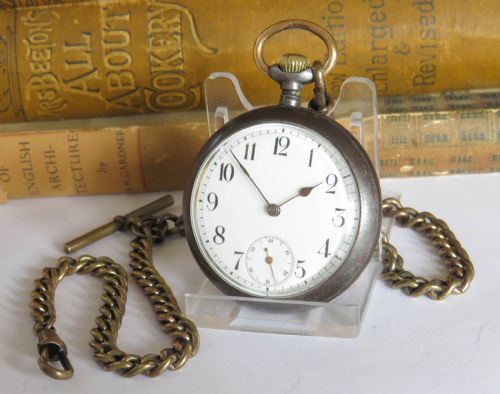
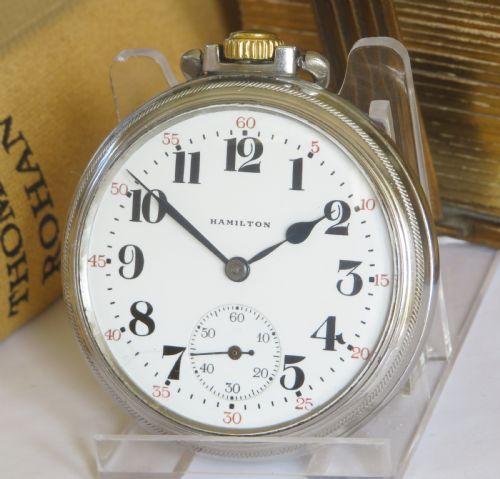
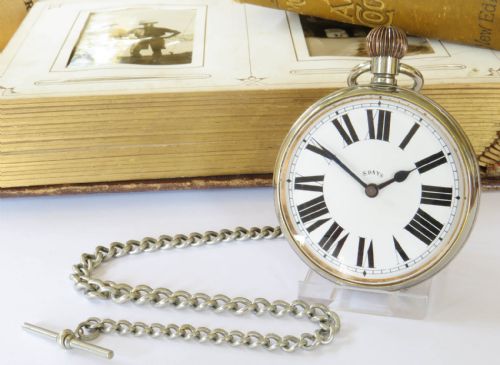
A steel pocket watch is a portable timepiece designed for utilitarian durability, featuring protective metal cases housing complex mechanical movements. These items emerge primarily from the nineteen-thirties, nineteen-forties, and nineteen-fifties, reflecting decades of robust horological production. Buyers searching this phrase encounter dependable instruments from Swiss workshops established during the mid-century period.
How they were made
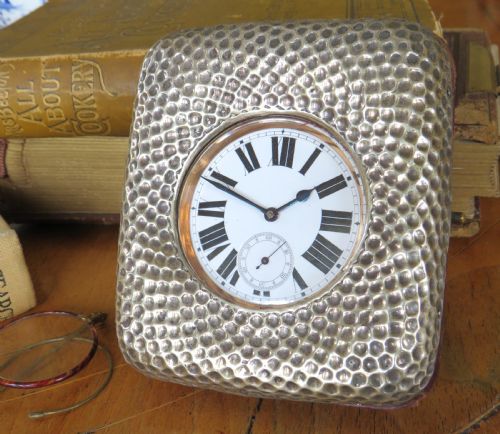
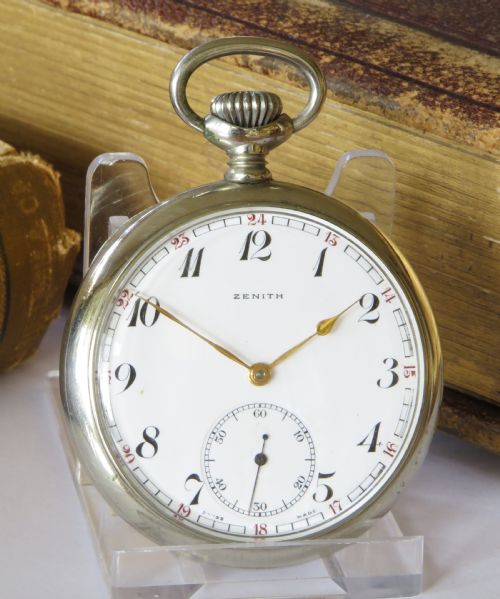
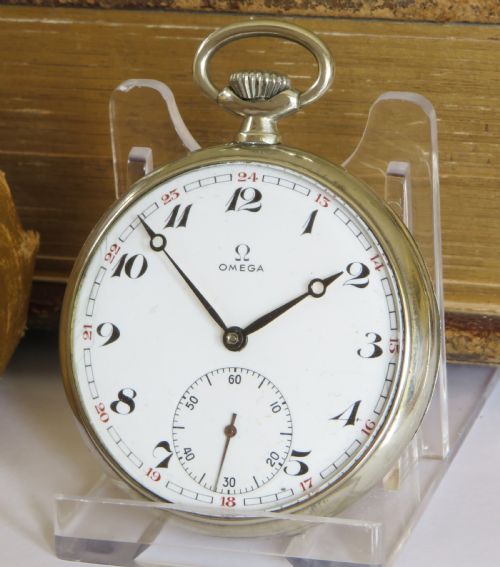
Makers constructed these watches using stainless steel, nickel-plated metal, and general metal alloys for the exterior cases, paired with fitted glass crystals to protect the face. Dials frequently incorporate enamel work for numerals and markers, ensuring crisp legibility over decades of use. Inside, intricate brass and steel mechanical movements utilise gears, springs, and escapements assembled by hand.
Casing techniques prioritised tight seals against dust and moisture, aligning with Swiss horology standards of the nineteen-thirties and nineteen-forties. Art Deco influences appear in the geometric numeral styling and streamlined case silhouettes found on nineteen-thirties examples. Each piece represents a synthesis of metallurgy and precision micro-engineering.
Some watches travelled with retailer signatures on the dial, proving that even clocks needed a good middleman.
What varies in quality
Quality separates standard utilitarian timepieces from those bearing esteemed maker signatures like Omega or Zenith, where movement finishing and adjustment reach higher tiers. The grade of steel and the crispness of dial enamel also define the upper tier of the range, showing superior resistance to wear over time. Details such as slim profiles and Art Deco styling indicate refined design choices during production.
The integrity of the internal movement and the clarity of the glass crystal dictate the overall standard of preservation. Pieces retaining original retailer signatures or specific period characteristics command greater appreciation among collectors. Subtle variations in case finishing and dial typography distinguish workshop output from mass production.
Omega·Zenith·Wearnes
The Steel Pocket Watch Glossary
- Swiss horology
- The tradition and craft of timekeeping originating from Swiss workshops renowned for mechanical precision. This term denotes the geographical origin and technical standard of the movement.
- Enamel
- A glassy substance fused to metal dials through high-heat firing to create smooth, durable surfaces. It provides a crisp background for painted numerals and markers.
- Stainless steel
- A corrosion-resistant alloy utilised for watch cases to ensure durability and strength. This material became standard for robust mid-century timepieces.
- Art Deco
- A design style prominent in the nineteen-thirties characterised by sleek geometric lines and streamlined forms. It influences the typography and case shapes of certain watches.
Frequently Asked Questions
How do I wind a steel pocket watch?
Wind the crown gently clockwise between your thumb and forefinger until you feel resistance.
Avoid overwinding, as this can strain the internal mainspring of the mechanical movement.
Can I carry a pocket watch daily?
These watches were built for daily utility and suit regular carriage in a waistcoat or jacket pocket.
Ensure the steel case is paired with a suitable chain to prevent accidental drops.
What periods do these watches span?
The available pieces and historical archive primarily cover the nineteen-thirties, nineteen-forties, and nineteen-fifties.
This era encompasses Art Deco design influences and mid-century Swiss production.
What materials make up the cases?
Cases are constructed predominantly from stainless steel and nickel-plated metal alloys.
Glass crystals protect the dials, which often feature enamel finishes for legibility.