




Ww2 Military Watch
A ww2 military watch carries the utilitarian precision of an era on active service, offering collectors tangible ties to mid-century history.
Ww2 Military Watch
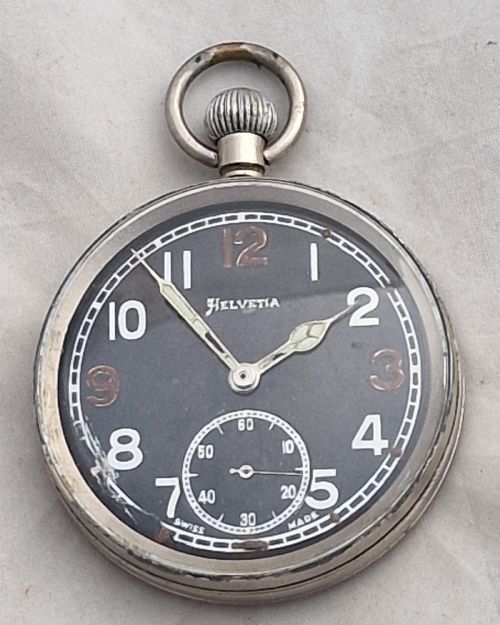
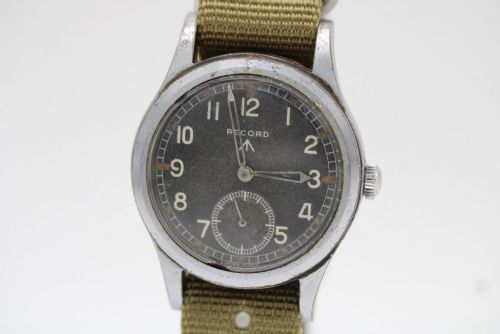
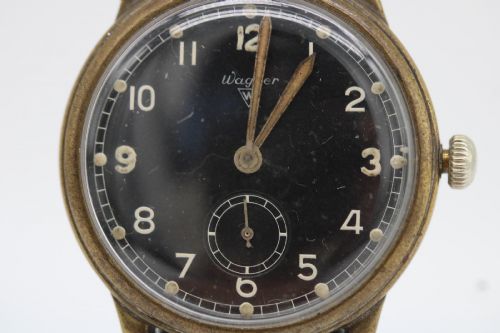
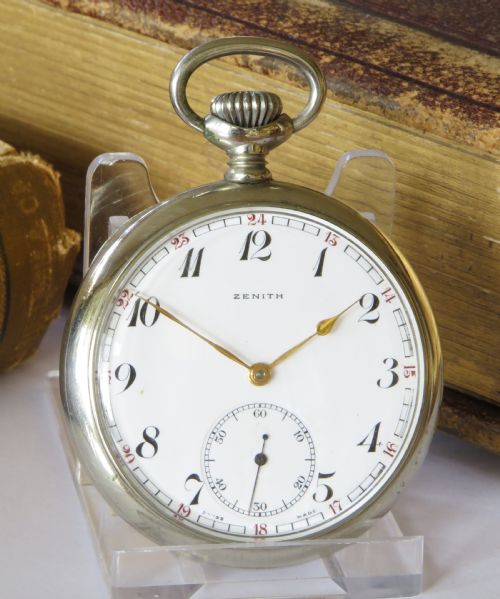
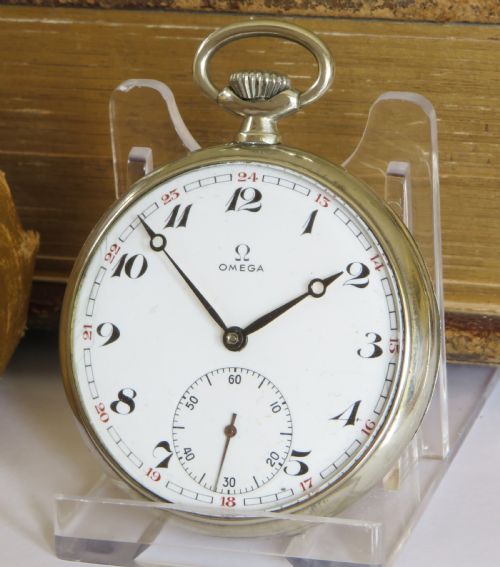
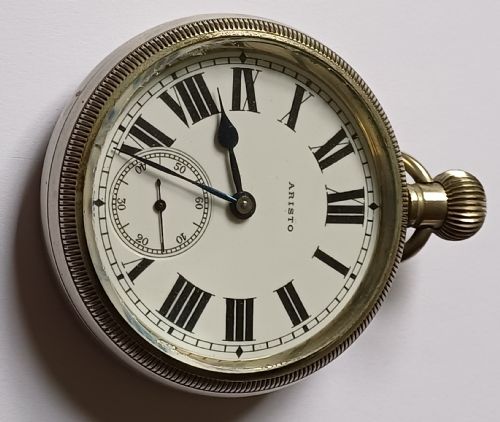
A ww2 military watch encompasses both wristwatches and pocket watches issued to armed forces during the 1930s and 1940s. These pieces range from British Army Trade Pattern and Dirty Dozen specifications to German Wehrmacht issues and RAF pilots timepieces.
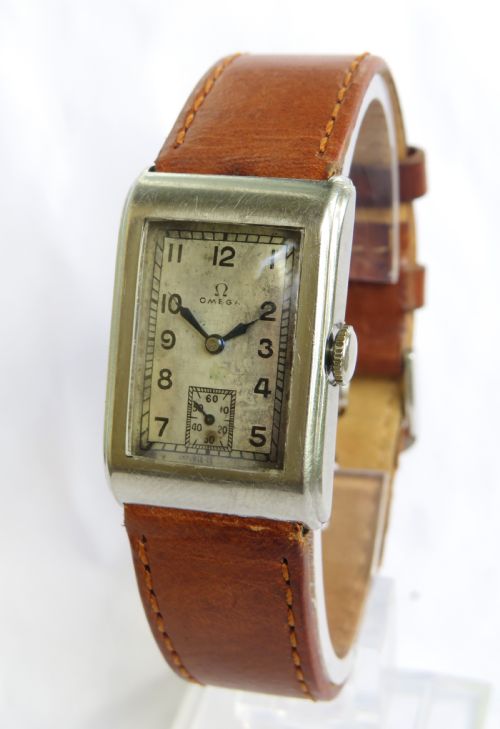
The wristwatches you meet most often on this page feature robust steel or nickel cases paired with leather straps, while pocket watches frequently present enclosed metal casings designed for rugged utility.
Distinctions of Merit
Distinctions in these pieces rest upon the preservation of original military markings, such as broad arrow property stamps and specific service engravings. Cases maintaining their factory finishes alongside clean, unaltered dials command greater regard among collectors.
The sophistication of the internal movement, from standard ATP calibres to specialised chronographs and waterproof designs, further separates standard issue items from high-tier pieces.
Some pocket watches arrive paired with their original chains and compasses, ready for active deployment.
Omega·Record·Helvetia·Timor·Waltham·Ebel·Moeris·Tissot
The Ww2 Military Watch Glossary
- Dirty Dozen
- A group of twelve wristwatches supplied to the British Ministry of Defence by specific horological firms towards the end of the conflict.
- ATP
- Army Trade Pattern denotes standard military issue watches procured for British ground forces prior to and during the conflict.
- GSTP
- General Service Trade Pattern refers to pocket watches utilised across various branches of the British armed forces.
- Broad Arrow
- A government property mark stamped onto equipment and timepieces issued to British military personnel.
Ww2 Military Watch: Frequently Asked Questions
What does a broad arrow mark mean?
The broad arrow is a British government property mark stamped onto military equipment to signify official ownership.
Finding this symbol on a dial or caseback confirms the piece was procured for official service use during the conflict.
How do ATP and WWW watches differ?
ATP watches were introduced earlier in the conflict for general army trade patterns, typically featuring smaller cases and specific serial numbers.
WWW timepieces followed later with stricter waterproof and precision specifications required by the Ministry of Defence.
Were these watches worn by pilots?
Specific models were issued to aircrews, such as Royal Air Force pilots and navigators operating under air ministry contracts.
These timepieces often included distinct reference numbers on the caseback to identify their aviation service.
Can I wear a vintage military watch daily?
Many collectors wear these mechanical pieces daily, though vintage movements require careful handling and protection from modern moisture.
Regular servicing by a horologist ensures the internal mechanical parts continue to function reliably.