


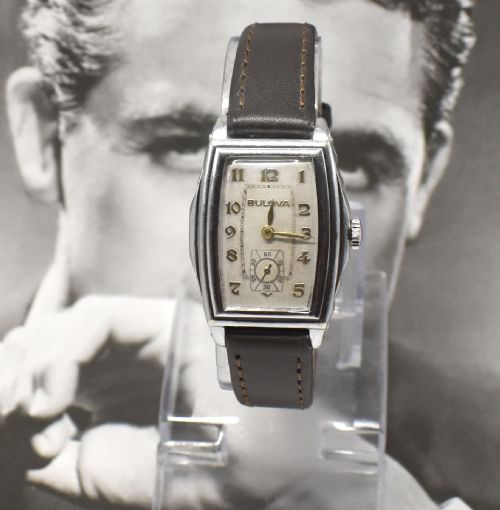


Silver Tone Watch
A silver tone watch offers practical horology from the twentieth century, combining metal cases with reliable mechanical movements.
Silver Tone Watch
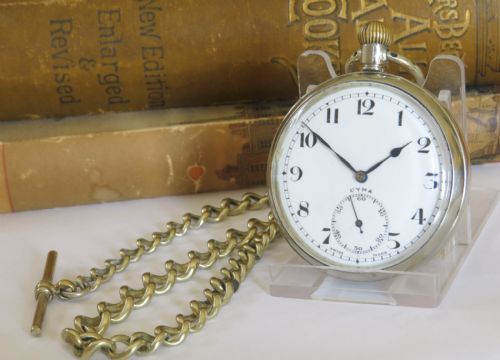
A silver tone watch encompasses a variety of pocket watches, wristwatches, and chain bracelets spanning from the Edwardian era through the mid-century decades. When searching for a silver tone watch, buyers encounter diverse forms ranging from military issue timepieces to jewelled platinum cocktail pieces.
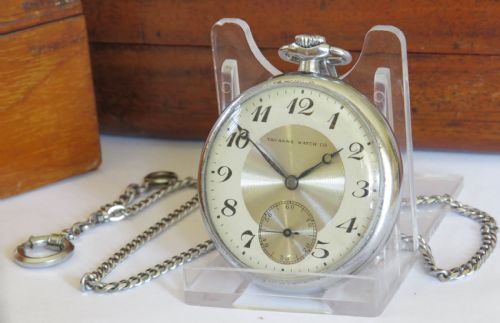
The selection on this page relies heavily on pocket watches and wristwatches originating from the 1900s to the 1950s. Art Deco and mid-century modern styles appear frequently alongside Victorian and Edwardian examples, often paired with matching chains.
Pocket watches and wristwatches form the core of the inventory, supplemented by bracelet adaptations and specialised military instruments. Buyers frequently find pieces by established makers alongside unmarked utilitarian items from the same periods.
How they were made
Cases utilise metals such as chrome, stainless steel, nickel, and steel to achieve a silvery finish, while finer examples employ platinum and white gold. Glass protects the dial faces, and leather often forms the straps on wristwear.
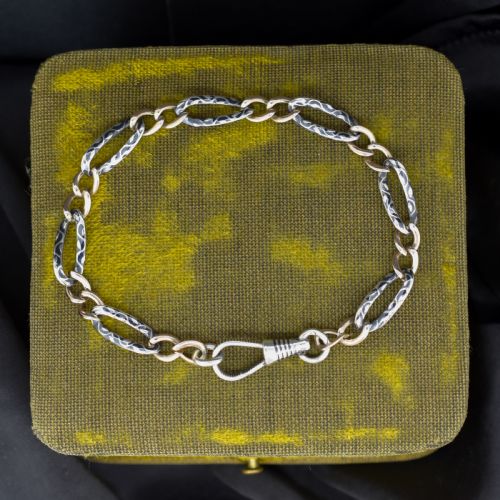
Decorative elements incorporate enamel work and stone settings, particularly in ladies cocktail and tank style wristwatches from the 1930s. Chains and bracelets frequently feature niello work or integrated dog clips for secure attachment.
Listings span from the 1900s through the 1950s, utilising materials such as platinum, stainless steel, glass, and leather across pocket and wrist formats.
What varies in quality
Quality differentiates by the complexity of the movement and the preciousness of the case materials, moving from basic steel utility pieces to platinum models set with substantial diamonds. Makers of distinction utilise high jewel count mechanisms that retain precision.
The presence of original fitted chains, compasses, or specialised military markings elevates the interest of a piece. Condition of the dial, case metal integrity, and evidence of professional servicing determine the desirability of individual watches.
Cyma·Tavannes·Venus·Lanco·Zenith·Longines·Asprey·Tissot·Omega·Elliott Brothers·Bulova·Harris Stone·Lancashire Watch Company
The Silver Tone Watch Glossary
- Art Deco
- A design style prominent in the 1920s and 1930s characterised by geometric shapes and stylised motifs. It appears frequently in the case designs and dial layouts of this period.
- Chronograph
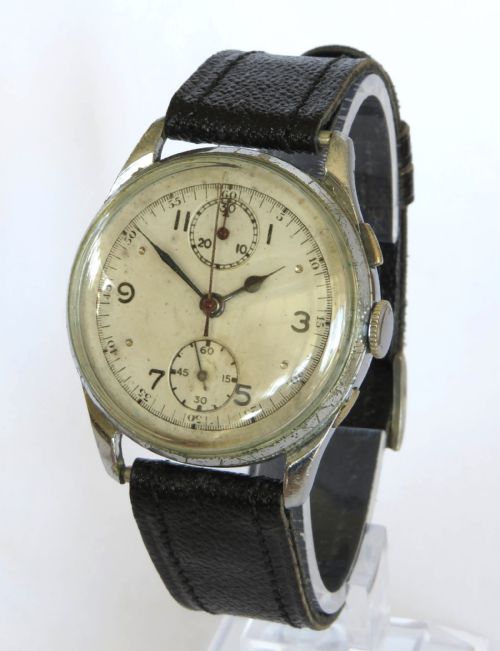
- A watch with a display function that measures elapsed time, typically operated by pushers on the side of the case. These complications are sought after by collectors of mid-century timepieces.
- Manual wind
- A mechanical watch movement that requires the owner to turn the crown by hand to tension the mainspring. Most pocket watches and vintage wristwatches rely on this method.
- Niello
- A black metallic alloy used as an inlay on engraved metal, commonly silver. It creates contrasting decorative patterns on antique watch chains and fob accessories.
- Tank style
- A rectangular wristwatch case design inspired by military tanks, popularised during the Art Deco era. The straight brancards form the attachment points for the strap.
Silver Tone Watch: Frequently Asked Questions
How do I wind a vintage pocket watch?
Turn the crown at the top of the pocket watch clockwise until you feel light resistance. Do not force the spring once it stops turning.
Most mechanical pieces require a daily wind to maintain accurate timekeeping throughout the day.
Are these watches waterproof?
Vintage timepieces from the early to mid-twentieth century lack modern rubber gaskets and waterproof seals. Exposure to moisture can damage the dial and rust the steel internal components.
Keep these watches away from water and humidity during daily wear.
How do I identify a 1940s military watch?
Military style watches typically feature high-contrast dials with clear numerals and robust steel cases built for durability. Government issue marks often appear on the case back.
These pieces reflect the practical requirements of service personnel during the period.