


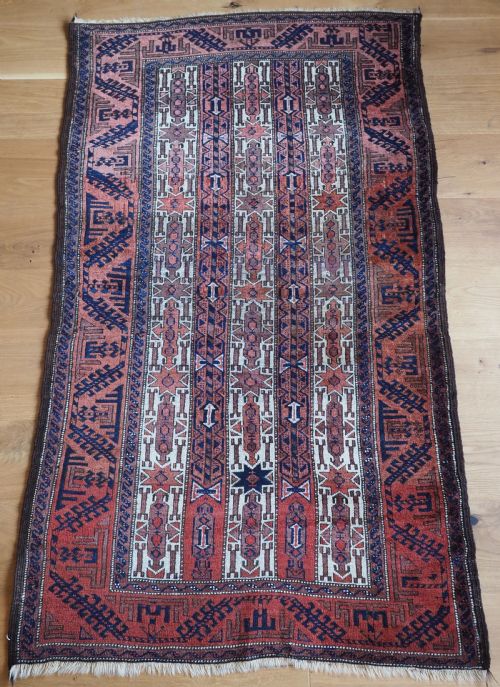


1900s Wool Runner Rug
These 1900s wool runner rug examples bring lasting character to hallways with traditional patterns and durable natural weaves.
1900s Wool Runner Rug
A 1900s wool runner rug is a long, narrow textile traditionally woven for corridors and halls, often originating from tribal and regional weaving centres in Persia, the Caucasus, and surrounding areas. These pieces combine practical proportions with distinctive local designs.
The selection on this page centres on items from around 1900 to 1920, representing regional styles such as Baluch, Kurdish, Caucasian, and Mahal. Buyers encounter repeat medallion patterns, shrub motifs, and geometric field designs that reflect the heritage of their makers.
These textiles function as functional floor coverings that handle narrow spaces while introducing rich colour palettes and historic patterns to domestic interiors. Each piece displays the specific aesthetic of the village or nomadic group that produced it.
How they were made
Makers utilised natural materials including wool, cotton, goat hair, and camel hair to construct these runners. Wool provides the primary pile for durability, whilst cotton often forms the foundation warps and wefts.
Weaving techniques vary from fine pile knots to flatwoven kilim structures. Artisans relied on hand-spun yarns and traditional dye sources to create the complex geometric and floral layouts seen across the period.
1900s Wool Runner Rug Retail Price Guide 2026
Typical asking prices for 1900s wool runner rug among the pieces listed under this phrase on Sellingantiques today, from the lower quarter to the upper quarter. They describe what is for sale here now, not the wider market.
Some weavers included accidental asymmetric motifs or hidden tribal signatures, ensuring no two corridors share the exact same story.
What varies in quality
Knot density and weave fineness distinguish different tiers of production, with tighter structures offering greater longevity under foot traffic. The precision of the geometric or floral layout reflects the skill of the weaver.
The choice of secondary materials, such as camel hair or goat hair additions, and the complexity of the design vocabulary mark out superior examples from standard regional output.
The 1900s Wool Runner Rug Glossary
- Runner
- A long, narrow carpet format specifically designed for hallways, corridors, and stairs. These pieces balance length with restricted width to fit transitional spaces.
- Boteh
- A stylised almond, pear, or pine-cone motif frequently found in Persian and Caucasian textile designs. This traditional pattern appears singly or arranged in repeating rows across the field.
- Kilim
- A flatwoven textile produced without a pile by tightly interweaving warp and weft strands. These pieces offer a lightweight structure with crisp geometric patterns.
- Gul
- A medallion or repeating octagonal motif used extensively in Turkmen and Baluch tribal weaving. Each design often identifies a specific tribal group or clan.
- Mihrab
- An architectural arch design representing a prayer niche, commonly seen on rugs intended for devotional use. This motif points toward Mecca in Islamic tradition.
1900s Wool Runner Rug: Frequently Asked Questions
Where should I place a runner?
These long formats suit narrow hallways, corridors, and entrance spaces where a standard rectangular carpet fails to fit. They guide movement through a home while protecting wooden or tiled floors.
Position the textile away from excessive moisture and utilise an appropriate underlay to prevent sliding on smooth surfaces.
How do I clean an old wool rug?
Regular gentle vacuuming without a beater bar removes loose dirt from the wool pile. Professional textile cleaning is recommended for deeper maintenance to protect natural dyes and fibres.
Avoid harsh chemical treatments and excessive water immersion, which can damage the foundation yarns and cause colour bleeding.
What materials are used in these pieces?
The primary pile is typically spun from wool, which offers resilience and warmth. Foundations frequently incorporate cotton, while certain regional pieces include goat hair or camel hair.
These natural fibres contribute to the tactile depth and structural integrity of each handmade textile.
How do I identify regional styles?
Regional attribution relies on specific design vocabulary, colour palettes, and structural characteristics. Baluch pieces often display deep tones and box medallions, whereas Caucasian examples favour sharper geometric motifs.
Examining the weave type and fringe finishing provides further clues to the geographic origin of the workshop or tribe.